
Mcentee-Taylor Carole Mcentee-Taylor – författare
Visar alla böcker från författaren . Handla med fri frakt och snabb leverans.
5 produkter
5 produkter
E-bok
Engelska, 201886 kr
Läs direkt efter köp
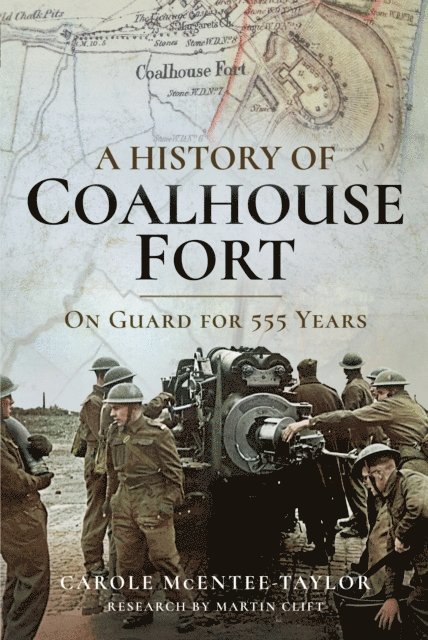
Strategically placed on the Essex peninsular, with a near 180-degree arc of fire across the bend in the River Thames at Stanford-Le-Hope, the original earthwork defences at Coalhouse Fort date back to 1402 when the village of East Tilbury was fortified with a rampart and towers for defence against French pirates.Through the next two centuries further fortifications were built on the site, culminating with the current fort, which was constructed between 1861 and 1874 to defend the Thames from the French. Known as Palmerston’s Follies, because none fired a shot in anger until the Second World War, Coalhouse Fort was part of Lord Palmerston’s defensive wall to protect the British Isles from Europe. ''A History of Coalhouse Fort'' uses a mixture of military records, historical narrative, background information, Letters from the Front, first-hand accounts from WRNS, named individuals, local archives and newspapers accounts to tell the story of the men who were based there.
E-bok
PDF, Engelska, 201886 kr
Läs direkt efter köp
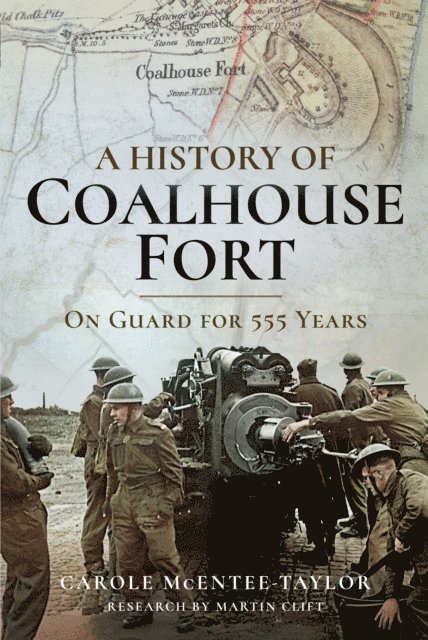
Strategically placed on the Essex peninsular, with a near 180-degree arc of fire across the bend in the River Thames at Stanford-Le-Hope, the original earthwork defences at Coalhouse Fort date back to 1402 when the village of East Tilbury was fortified with a rampart and towers for defence against French pirates.Through the next two centuries further fortifications were built on the site, culminating with the current fort, which was constructed between 1861 and 1874 to defend the Thames from the French. Known as Palmerston’s Follies, because none fired a shot in anger until the Second World War, Coalhouse Fort was part of Lord Palmerston’s defensive wall to protect the British Isles from Europe. ''A History of Coalhouse Fort'' uses a mixture of military records, historical narrative, background information, Letters from the Front, first-hand accounts from WRNS, named individuals, local archives and newspapers accounts to tell the story of the men who were based there.
E-bok
Engelska, 2019125 kr
Läs direkt efter köp
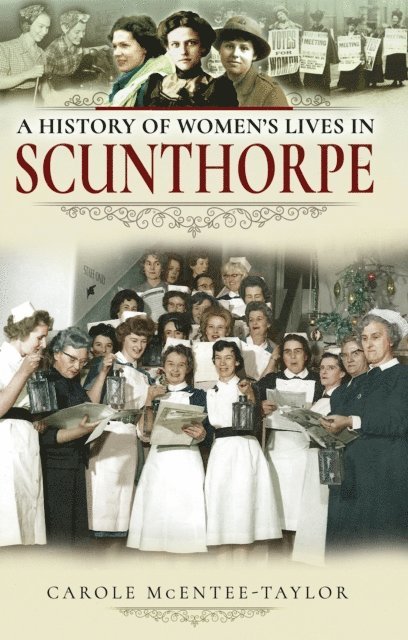
Stalkers, bigamy, murders, domestic violence, hard work, continuous childbearing, starvation, illegal abortions, suicides. What was the reality of life for women in the masculine environment of an emerging steel town? Steel manufacturing began in Frodingham in 1890 and as agricultural workers came in from the surrounding villages and skilled workers came from other areas in the country the population in the villages of Ashby, Brumby, Crosby, Frodingham and Scunthorpe grew rapidly. The fastest growth was in Scunthorpe which reached urban district status in 1883. By 1891 the population had risen to 3,417. The first council elections took place on 17th December 1894. There were 45 candidates chasing 15 places, but Scunthorpe only had one seat on Lindsey County Council– Councillor J Foster. Women did not have a vote.There was little or no Suffragette activity in Scunthorpe, the women were too busy surviving. But these ordinary women had a hidden strength that only really came to the fore in both the First and Second World Wars after which they faded back into obscurity.Using previously unpublished school diaries, original Co-operative Society documents and newspaper accounts from the time, A History of Women’s Lives in Scunthorpe shines a brief spotlight on the unsung heroes without whom the town would never have thrived, the women from the 1840s to the 1950s whose story has never been told.
E-bok
PDF, Engelska, 2019125 kr
Läs direkt efter köp
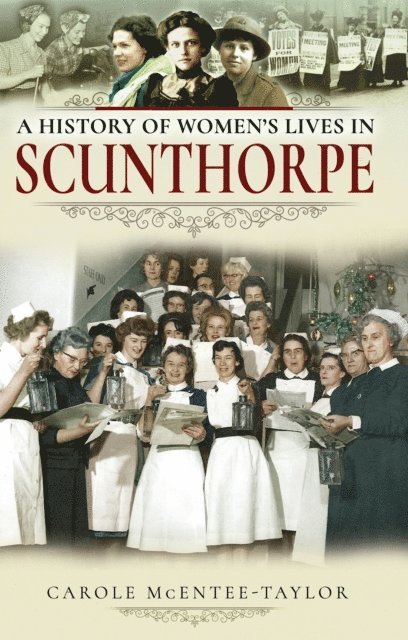
Stalkers, bigamy, murders, domestic violence, hard work, continuous childbearing, starvation, illegal abortions, suicides. What was the reality of life for women in the masculine environment of an emerging steel town? Steel manufacturing began in Frodingham in 1890 and as agricultural workers came in from the surrounding villages and skilled workers came from other areas in the country the population in the villages of Ashby, Brumby, Crosby, Frodingham and Scunthorpe grew rapidly. The fastest growth was in Scunthorpe which reached urban district status in 1883. By 1891 the population had risen to 3,417. The first council elections took place on 17th December 1894. There were 45 candidates chasing 15 places, but Scunthorpe only had one seat on Lindsey County Council– Councillor J Foster. Women did not have a vote.There was little or no Suffragette activity in Scunthorpe, the women were too busy surviving. But these ordinary women had a hidden strength that only really came to the fore in both the First and Second World Wars after which they faded back into obscurity.Using previously unpublished school diaries, original Co-operative Society documents and newspaper accounts from the time, A History of Women’s Lives in Scunthorpe shines a brief spotlight on the unsung heroes without whom the town would never have thrived, the women from the 1840s to the 1950s whose story has never been told.
E-bok
PDF, Engelska, 201489 kr
Läs direkt efter köp
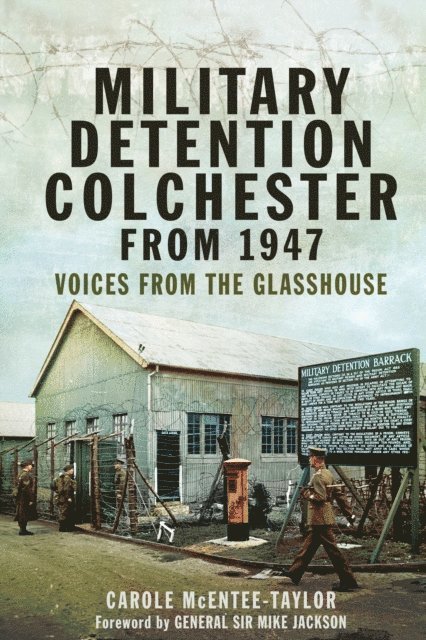
Author royalties to The Soldiers Charity (ABF) and MPSC Association. Foreword by General Mike JacksonFrom a German POW camp to HM Forces only remaining detention center the mere mention of Colly struck fear into the hearts of thousands of servicemen over the years. But what was it really like behind the forbidding barbed wire in those ancient Nissan Huts? How much has it changed since 1947?Written in the words of those who were there, from the 1940s through to the present day, Commandants, Members of Staff, Detainees, Military Escorts, Padres and visitors have shared their own experiences to create a unique history that sheds light on an almost unknown area of military life.At turns funny, sad and sometimes surprising, the accounts show how much the Military Corrective Training Centre (MCTC) and the idea of military detention has evolved.