Megan M. Bailey – författare
974 kr
Skickas inom 10-15 vardagar
2 840 kr
Läs direkt efter köp
Uncovering evidence of slavery and controlin the spatial landscapes of a Maryland plantation
In this book,Megan Bailey uses archaeological data and historical records to document thetreatment of enslaved people at L’Hermitage Plantation in Maryland from 1794 to1827. Bailey uses the concept of the “nervous landscape”—a space where power isnot absolute and where resistance is possible—to show how the Vincendièrefamily’s fear of losing control of their workforce drove their brutality.
Baileyshows how the Vincendières’ strategies to maintain their power were inscribedin the plantation’s landscapes through the design of the enslaved peoples’village, which maximized surveillance and control while suppressingindividuality. Despite thefamily’s behavior, enslaved people found ways to exercise agency, including throughuse of yard space, forming relationships with localresidents, and running away. Considering fear and anxiety as a fundamentalelement of the colonial experience, Bailey argues that emotion should beconsidered in archaeological analyses of the past.
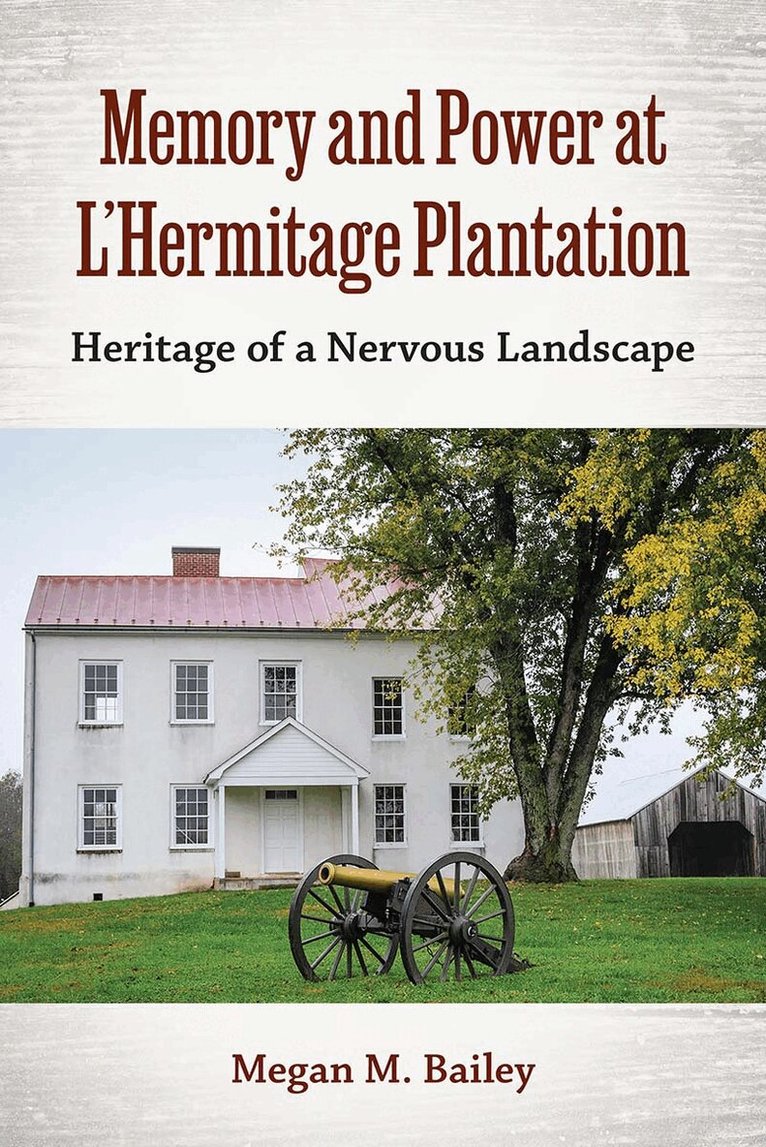
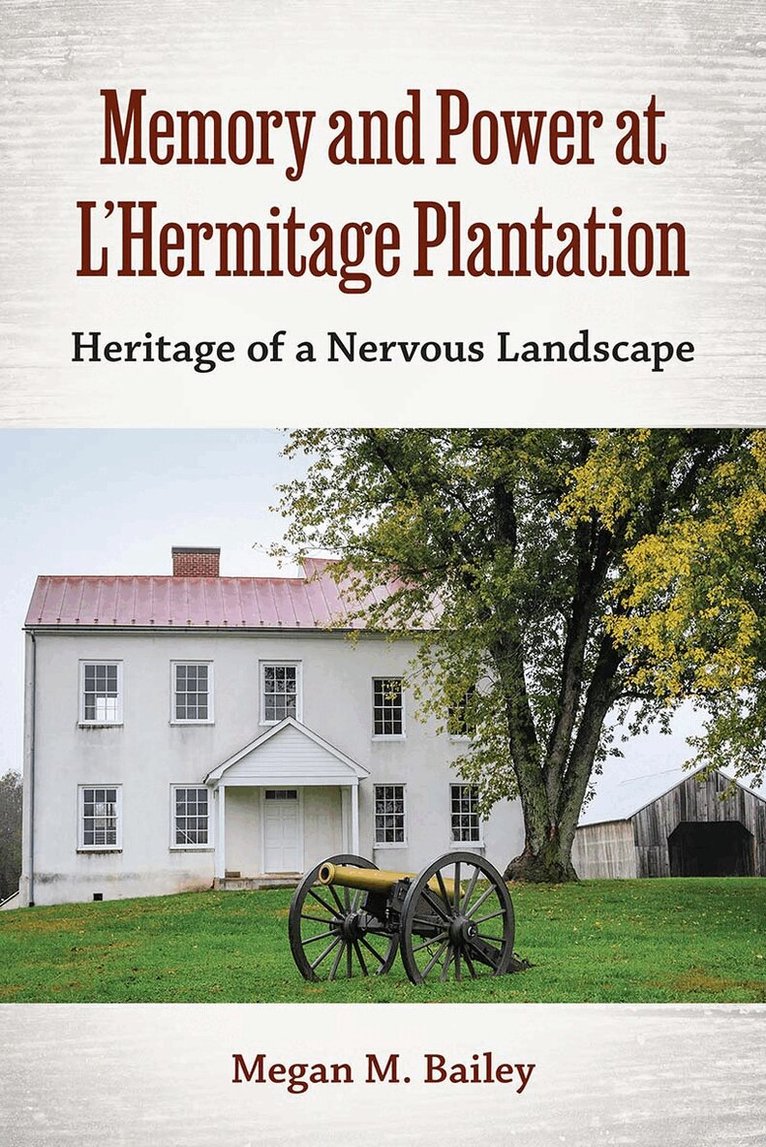
Today,L’Hermitage Plantation is a part of the Monocacy National Battlefield operatedby the National Park Service. Bailey discusses the public interpretation of thesite and how excavations of the plantation highlighted a more complicated narrative than the prevailing story ofCivil War conflict and heroism. Memory and Power at L’Hermitage Plantation uses archaeology toconnect the Vincendières to the present-day landscape in a complex, layerednarrative of precarity and control.
Avolume in the series Cultural Heritage Studies, edited by Paul A. Shackel
Publication of this work made possible by aSustaining the Humanities through the American Rescue Plan grant from theNational Endowment for the Humanities.
502 kr
Läs direkt efter köp
Uncovering evidence of slavery and controlin the spatial landscapes of a Maryland plantation
In this book,Megan Bailey uses archaeological data and historical records to document thetreatment of enslaved people at L’Hermitage Plantation in Maryland from 1794 to1827. Bailey uses the concept of the “nervous landscape”—a space where power isnot absolute and where resistance is possible—to show how the Vincendièrefamily’s fear of losing control of their workforce drove their brutality.
Baileyshows how the Vincendières’ strategies to maintain their power were inscribedin the plantation’s landscapes through the design of the enslaved peoples’village, which maximized surveillance and control while suppressingindividuality. Despite thefamily’s behavior, enslaved people found ways to exercise agency, including throughuse of yard space, forming relationships with localresidents, and running away. Considering fear and anxiety as a fundamentalelement of the colonial experience, Bailey argues that emotion should beconsidered in archaeological analyses of the past.
Today,L’Hermitage Plantation is a part of the Monocacy National Battlefield operatedby the National Park Service. Bailey discusses the public interpretation of thesite and how excavations of the plantation highlighted a more complicated narrative than the prevailing story ofCivil War conflict and heroism. Memory and Power at L’Hermitage Plantation uses archaeology toconnect the Vincendières to the present-day landscape in a complex, layerednarrative of precarity and control.
Avolume in the series Cultural Heritage Studies, edited by Paul A. Shackel
Publication of this work made possible by aSustaining the Humanities through the American Rescue Plan grant from theNational Endowment for the Humanities.
334 kr
Skickas inom 10-15 vardagar