
Mehmed S. Kaya – författare
Visar alla böcker från författaren Mehmed S. Kaya. Handla med fri frakt och snabb leverans.
4 produkter
4 produkter
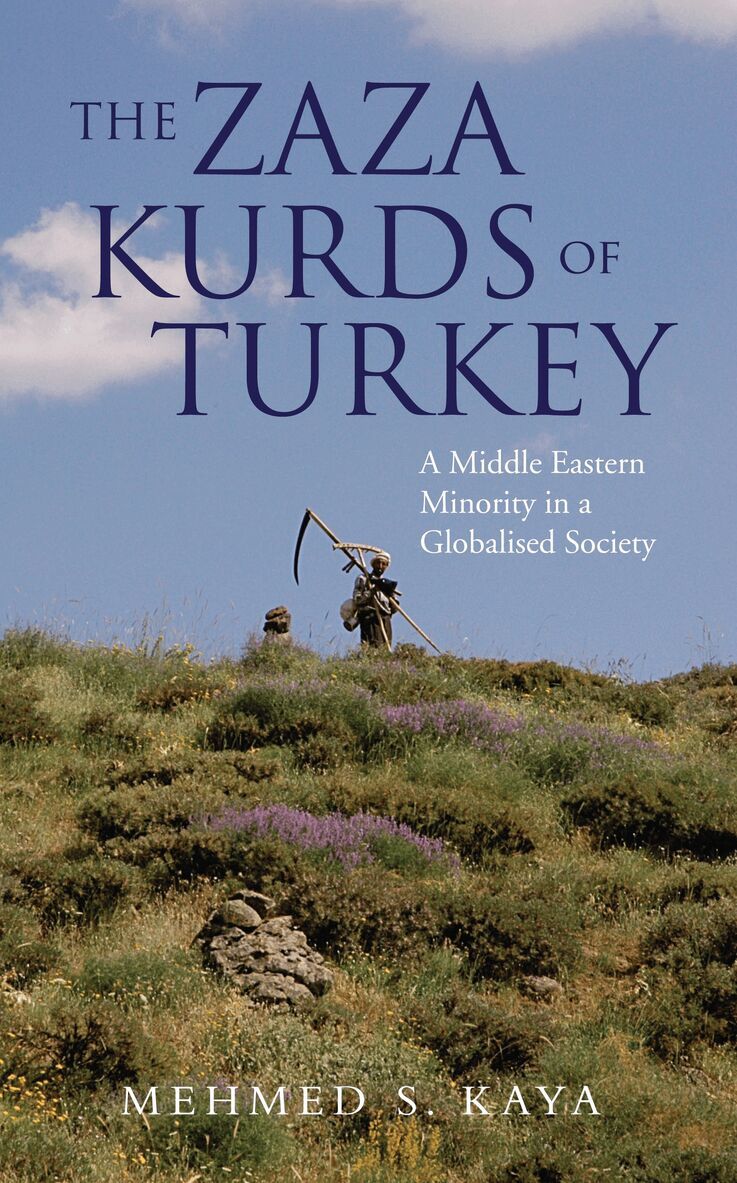
Häftad, Engelska, 2018
382 kr
Skickas inom 10-15 vardagar
Turkey, at the very intersection between Europe and the Middle East, comprises a plethora of ethnicities and minority groups. There is however very little official data about many of its chief minorities. The Zazas are one such group: a Kurdish people speaking the Zaza dialect, and living as a distinct people in the eastern Anatolian provinces. Mehmet S. Kaya here investigates all aspects of Zaza life: kinship, economy, culture, identity, gender relations, patriarchy and religion. His fieldwork among local communities in the Zaza area sheds light upon the ways in which this Middle Eastern minority has maintained its way of life and cultural identity in today's globalised society. This book provides valuable insights into a little-known people, and will be of interest within the fields of Middle East Studies, Islamic Studies, Minority Studies and Diaspora Studies.
E-bok
PDF, Engelska, 2011409 kr
Läs direkt efter köp
Turkey, at the very intersection between Europe and the Middle East, comprises a plethora of ethnicities and minority groups. There is however very little official data about many of its chief minorities. The Zazas are one such group: a Kurdish people speaking the Zaza dialect, and living as a distinct people in the eastern Anatolian provinces. Mehmet S. Kaya here investigates all aspects of Zaza life: kinship, economy, culture, identity, gender relations, patriarchy and religion. His fieldwork among local communities in the Zaza area sheds light upon the ways in which this Middle Eastern minority has maintained its way of life and cultural identity in today's globalised society. This book provides valuable insights into a little-known people, and will be of interest within the fields of Middle East Studies, Islamic Studies, Minority Studies and Diaspora Studies.
E-bok
Engelska, 2011409 kr
Läs direkt efter köp
Turkey, at the very intersection of Europe and the Middle East, comprises a plethora of ethnicities and minority groups. There is however very little official data about many of its chief minorities. The Zazas are one such group: a Kurdish people speaking the Zaza dialect, and living as a distinct people in the eastern Anatolian provinces. Originally followers of Zoroastrianism from c.700 BC, over the centuries the Zazas converted, often by force, to Sunni Islam or Alevism, which remain the key faiths of the Zazas today. While many Zazas have migrated to Turkey's major cities and beyond, the majority of the population remain in rural eastern Anatolia and have retained a society and culture largely untouched by the influences of the modern world.Mehmet S. Kaya here provides a thorough investigation of all aspects of Zaza life, including kinship, economy, culture, identity, gender relations, patriarchy and religion. His fieldwork among local communities in the Zaza area, together with insights drawn from the Kurdish and Turkish media, sheds light upon the ways in which this Middle Eastern minority has maintained its way of life and cultural identity. He observes the ways in which the Zazas govern their problems and conflicts outside of official legal administration and courts; the factors which make Zaza society adhere in the absence of formal authority; and the role of religion in daily Zaza life. Kaya also examines the concept of the Zazas as a 'stateless' people, and looks at the issue of the oppression of minority ethnic identities in the context of Turkish nationalism.The Zaza Kurds of Turkey provides access to the world of a little-known people who have so far been largely neglected in the academic literature. This important study will be of interest to the fields of Middle East Studies, Islamic Studies, Anthropology, and Minority and Diaspora Studies.
Inbunden, Engelska, 2011
1 812 kr
Skickas inom 10-15 vardagar
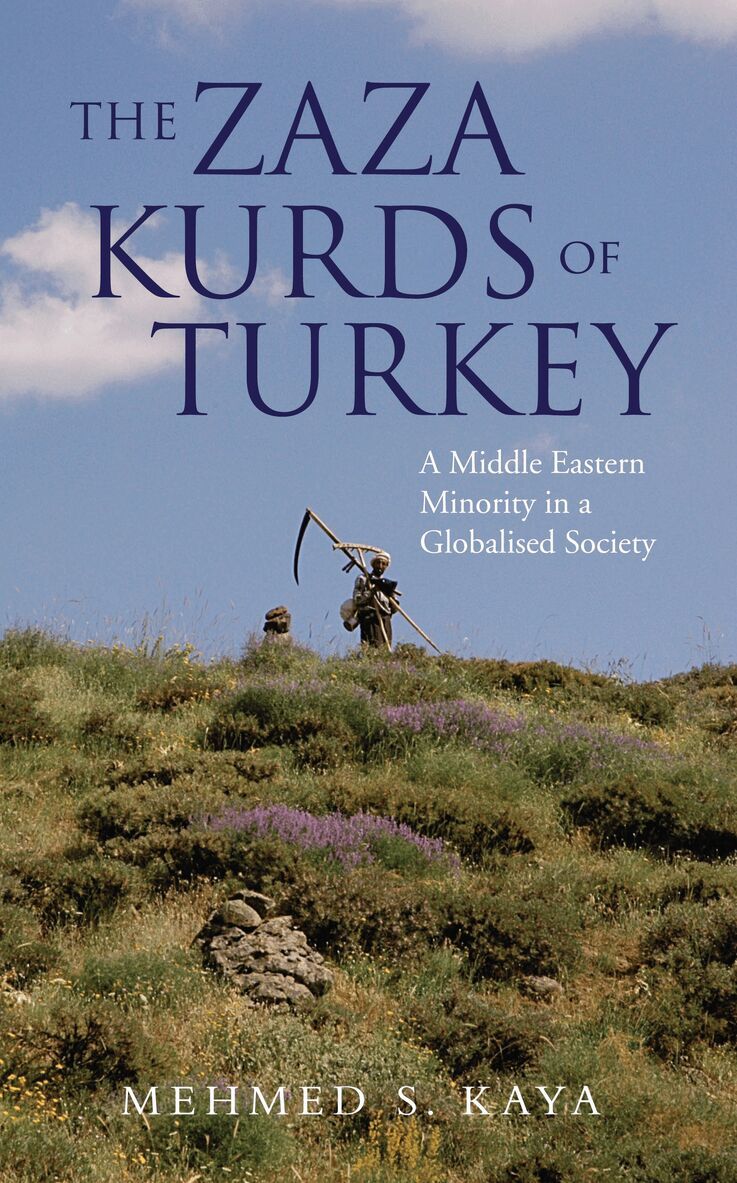
Turkey, at the very intersection between Europe and the Middle East, comprises a plethora of ethnicities and minority groups. There is however very little official data about many of its chief minorities. The Zazas are one such group: a Kurdish people speaking the Zaza dialect, and living as a distinct people in the eastern Anatolian provinces. Mehmet S. Kaya here investigates all aspects of Zaza life: kinship, economy, culture, identity, gender relations, patriarchy and religion. His fieldwork among local communities in the Zaza area sheds light upon the ways in which this Middle Eastern minority has maintained its way of life and cultural identity in today's globalised society. This book provides valuable insights into a little-known people, and will be of interest within the fields of Middle East Studies, Islamic Studies, Minority Studies and Diaspora Studies.