Mehnaaz Momen - Böcker
Visar alla böcker från författaren Mehnaaz Momen. Handla med fri frakt och snabb leverans.
3 produkter
3 produkter
374 kr
Skickas inom 7-10 vardagar
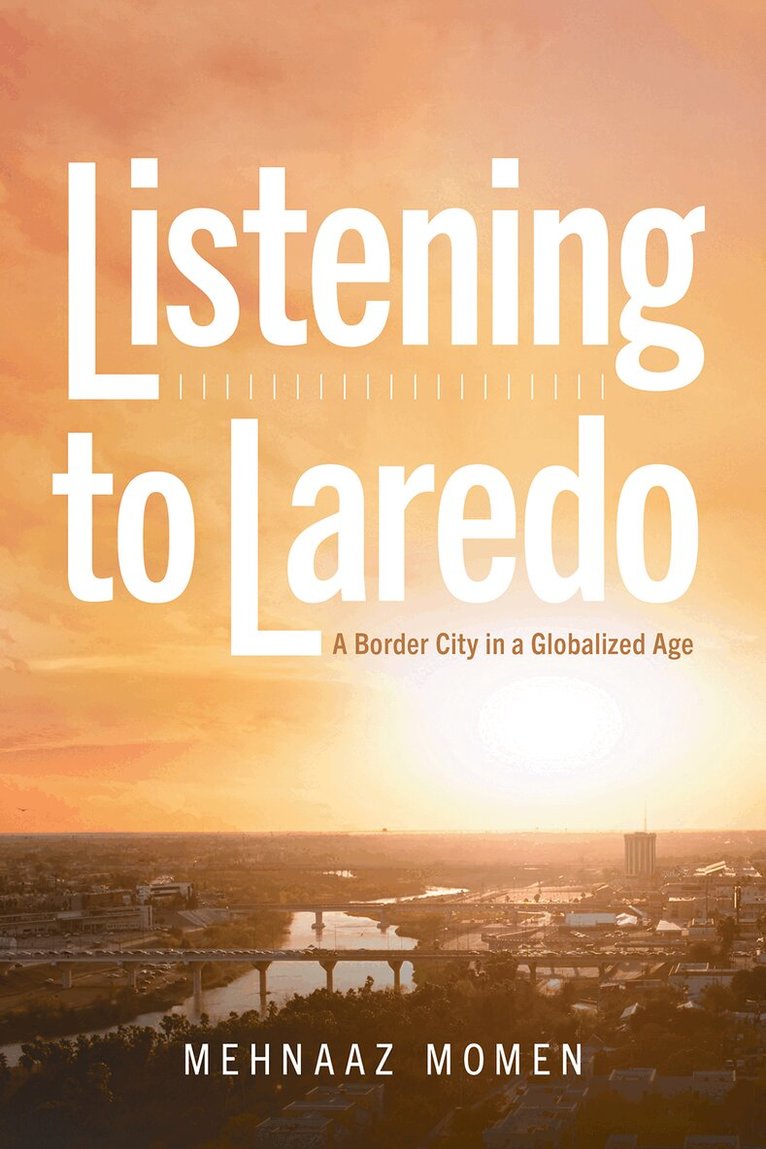
Nestled between Texas and Tamaulipas, Laredo was once a quaint border town, nurturing cultural ties across the border, attracting occasional tourists, and serving as the home of people living there for generations. In a span of mere decades, Laredo has become the largest inland port in the United States and a major hub of global trade. Listening to Laredo is an exploration of how the dizzying forces of change have defined this locale, how they continue to be inscribed and celebrated, and how their effects on the physical landscape have shaped the identity of the city and its people.Bringing together issues of growth, globalization, and identity, Mehnaaz Momen traces Laredo’s trajectory through the voices of its people. In contrast to the many studies of border cities defined by the outside--and seldom by the people who live at the border--this volume collects oral histories from seventy-five in-depth interviews that collectively illuminate the evolution of the city’s cultural and economic infrastructure, its interdependence with its sister city across the national boundary, and, above all, the strength of its community as it adapts to and even challenges the national narrative regarding the border. The resonant and lively voices of Laredo’s people convey proud ownership of an archetypal border city that has time and again resurrected itself.
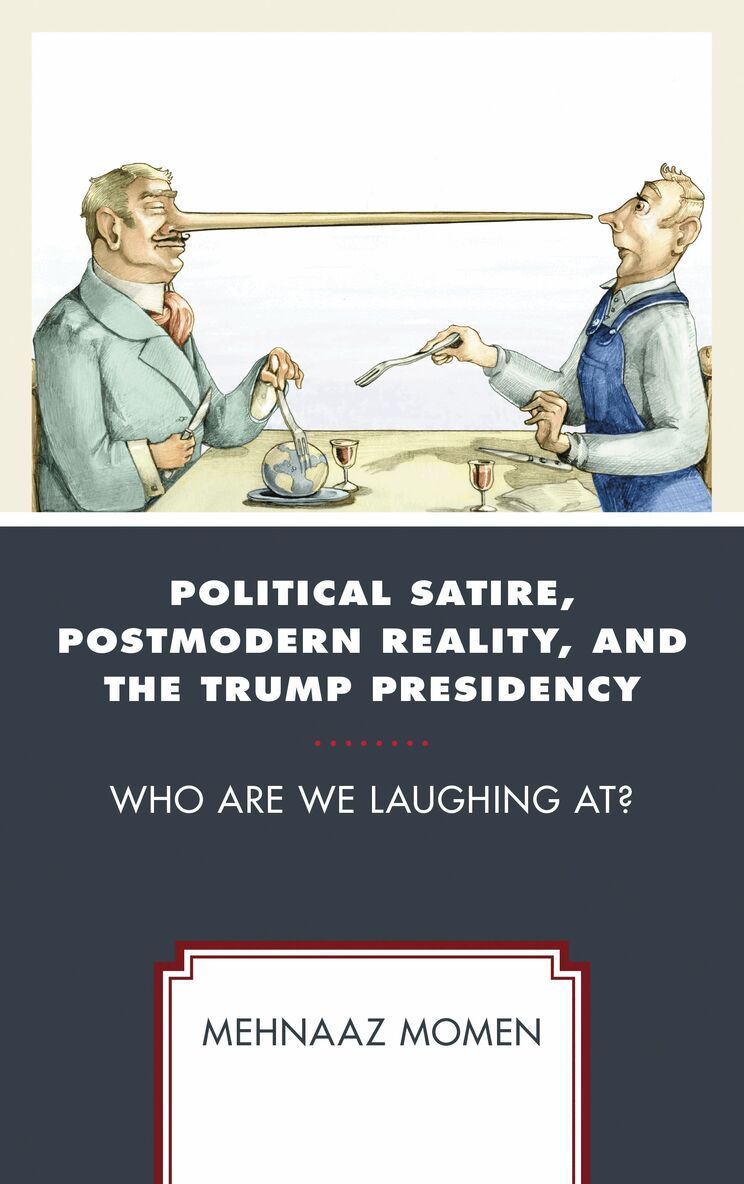
Political Satire, Postmodern Reality, and the Trump Presidency
Who Are We Laughing At?
Häftad, Engelska, 2021
528 kr
Skickas inom 10-15 vardagar
This book attempts to grasp the recent paradigm shift in American politics through the lens of satire. It connects changes in the political and cultural landscape to corresponding shifts in the structure and organization of the media, in order to shed light on the evolution of political satire on late-night television. Satire is situated in its historical background to comprehend its movement away from the fringes of discourse to the very center of politics and the media. Beginning in the 1990s, certain trends such as technological advances, media consolidation, and the globalization of communications reinforced each other, paving the way for satire to claim a prized spot in the visual media—a tendency that only gained strength after September 11. While the Bush presidency presented itself as an apposite target for satirists, their stronghold on American television was made possible by a number of transitions in broader culture, which are encapsulated in the shrinking space available for political engagement under neoliberalism. This largely underestimated development can be understood through the framework of postmodernism, which focuses on the relationship between language, power, and the presentation of reality. These trends and transitions reached a climax in the 2016 election where President Trump was elected, embodying what can only be considered a significant turning point in American politics. The bigger narrative contains various subplots represented in the rise of the neoliberal economy, the acceptance of postmodernism as the dominant cultural code, and the role of the voyeur superseding that of the engaged citizen. It is only through understanding each of these pieces and connecting them that we can comprehend the current political transformation. The present moment may feel like a golden age of satire, and it may well be, but this book addresses the hardest questions about the realities behind such a claim: what can we conclude about when and how satire is effective, judging by the history of this genre in its various incarnations, and how can the “apolitical” postmodern media landscape be reconciled with what the best of this genre has had to offer during times of political duress?
1 167 kr
Skickas inom 10-15 vardagar
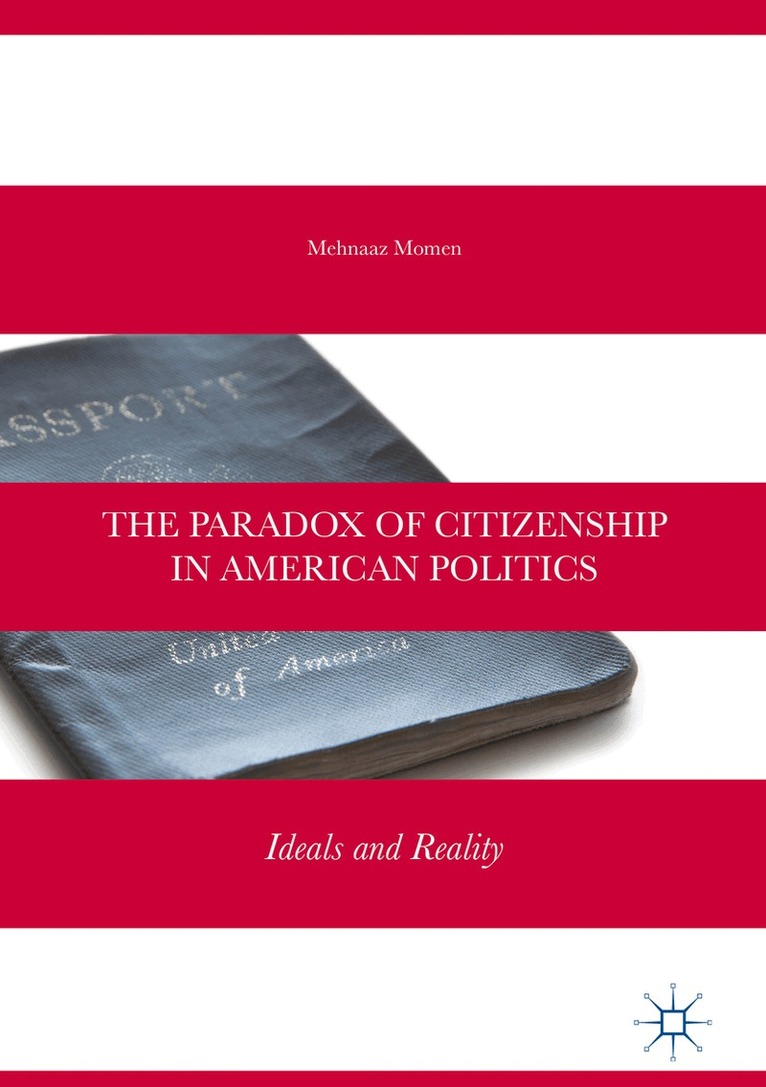
While it aspires to analyze the meaning of citizenship in America from the multiple perspectives of history, politics, and policy, it pays special attention to the critical junctures where rhetoric and reality clash, allowing for the production of certain paradoxes that define citizenship rights and shape political discourse.