Melissa Pine – författare
Visar alla böcker från författaren Melissa Pine. Handla med fri frakt och snabb leverans.
3 produkter
3 produkter
E-bok
PDF, Engelska, 2007496 kr
Läs direkt efter köp
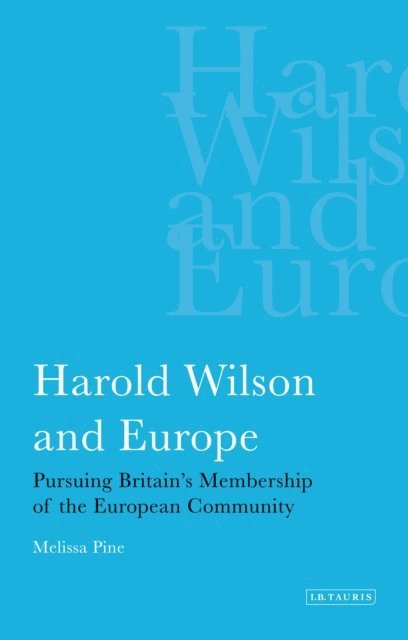
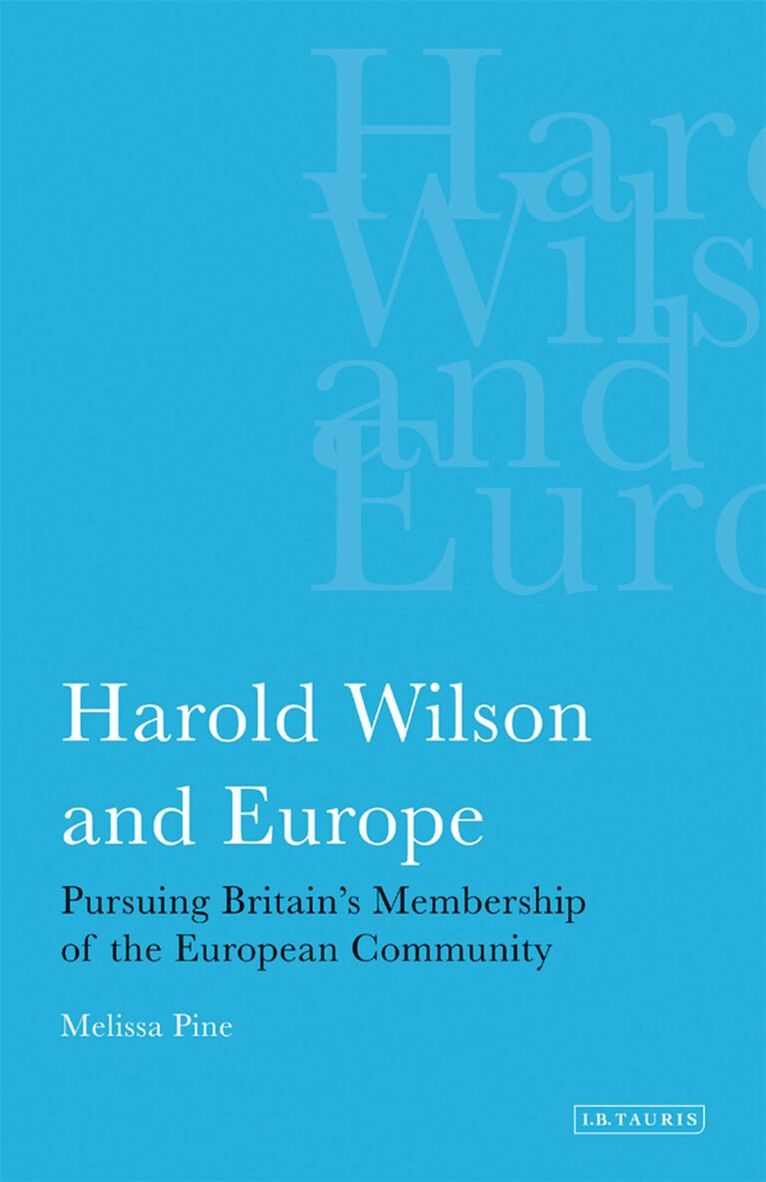
NJR - BLURB IN RAW FORM The second British application to join the European Communities (EC) was made during Harold Wilson's second Labour government. It ended in failure with French President Charles de Gaulle's veto in November 1967. This book traces the development of Britain's policy towards the EC from the veto to the end of Wilson's government in June 1970. It is based upon recently released British archival resources, and begins with the puzzle of how it was possible for Edward Heath's Conservative government to open negotiations for membership just twelve days after taking office. The book suggests that Wilson's earlier diplomacy was vital for the Conservatives' successful negotiation of British entry by 1973. Despite the 1967 veto, the Wilson government continued to focus on Western Europe, to the diminution of previously important relationships with the United States, the Commonwealth and the European Free Trade Association. The book is focused on Wilson, and examines his personal role in European policy, demonstrating his control over the application, his management of cabinet, and his efforts to win over key European allies. It suggests that a key enabling factor for the pursuit of accession was the complacency of most ministers - with the exception of key foreign office ministers. On the continent, British diplomacy was crucial in creating an environment conducive to the eventual lifting of the French veto and success of the British application. It first facilitated meaningful collaboration with some EC member-states. Second, it prevented harmful developments in the Communities that might otherwise have made British accession more difficult. Wilson was crucially important to this policy and personally strove to ensure its success. Labour's defeat at the 1970 general election meant that the policy was carried to fruition by Heath and the Conservatives, but Wilson's efforts paved the way to eventual British membership.
Häftad, Engelska, 2012
477 kr
Skickas inom 10-15 vardagar
The second British application to join the European Communities (EC) was made during Harold Wilson's second Labour government. It ended in failure with French President Charles de Gaulle's veto in November 1967. Harold Wilson and Europe traces the development of Britain's policy towards the EC from the veto to the end of Wilson's government in June 1970. Based on detailed archival research, Melissa Pine traces Wilson's efforts to forge stronger bonds with EC states while managing both a cabinet divided on the issue, and a complex broader foreign policy. This fascinating insight into the Wilson government reveals Wilson's early diplomacy was vital for the Conservatives' successful negotiation of British entry into the EC by 1973. Pine concludes that Wilson was personally committed to securing membership, and that he and key members of his government played a crucial role in securing the UK's eventual membership of the EC.
Inbunden, Engelska, 2007
2 000 kr
Skickas inom 10-15 vardagar
The second British application to join the European Communities (EC) was made during Harold Wilson's second Labour government. It ended in failure with French President Charles de Gaulle's veto in November 1967. "Harold Wilson and Europe" traces the development of Britain's policy towards the EC from the veto to the end of Wilson's government in June 1970. Based on detailed archival research, Melissa Pine traces Wilson's efforts to forge stronger bonds with EC states while managing both a cabinet divided on the issue, and a complex broader foreign policy. This fascinating insight into the Wilson government reveals Wilson's early diplomacy was vital for the Conservatives' successful negotiation of British entry into the EC by 1973. Pine concludes that Wilson was personally committed to securing membership, and that he and key members of his government played a crucial role in securing the UK's eventual membership of the EC.