Mery Biswas – författare
Visar alla böcker från författaren Mery Biswas. Handla med fri frakt och snabb leverans.
5 produkter
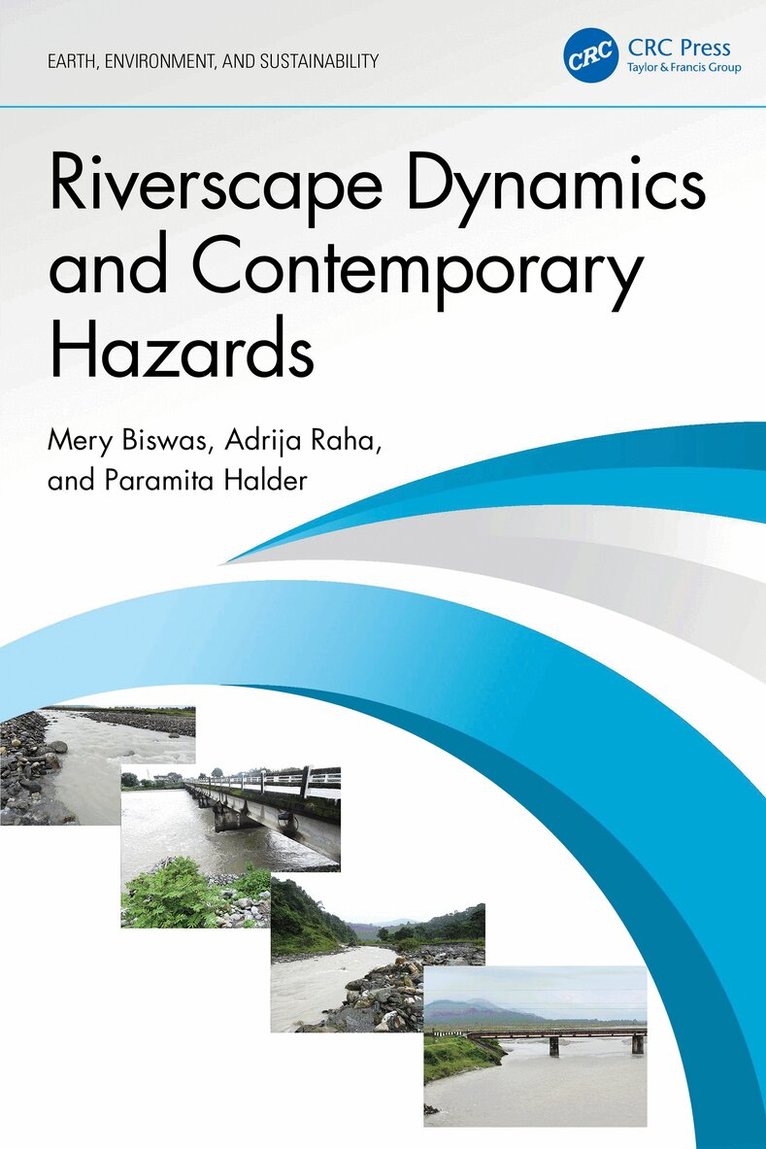
Riverscape Dynamics and Contemporary Hazards
Av Mery Biswas, Adrija Raha m. fl.
Inbunden, 2026
1521 kr
Lägg i varukorg
This book provides a comprehensive exploration of morpho-hydro-sediment interactive processes to explain channel planform dynamics, integrating advanced quantitative techniques and assessing flood risks, including model-based mitigation strategies. It delves into the temporal evolution of …
Riverscape Dynamics and Contemporary Hazards
Av Paramita Halder, Adrija Raha m. fl.
E-bok, 2026
1698 kr
Lägg i varukorg
This book provides a comprehensive exploration of morpho-hydro-sediment interactive processes to explain channel planform dynamics, integrating advanced quantitative techniques and assessing flood risks, including model-based mitigation strategies. It delves into the temporal evolution of …
Riverscape Dynamics and Contemporary Hazards
Av Paramita Halder, Adrija Raha m. fl.
E-bok, 2026
1749 kr
Lägg i varukorg
This book provides a comprehensive exploration of morpho-hydro-sediment interactive processes to explain channel planform dynamics, integrating advanced quantitative techniques and assessing flood risks, including model-based mitigation strategies. It delves into the temporal evolution of …
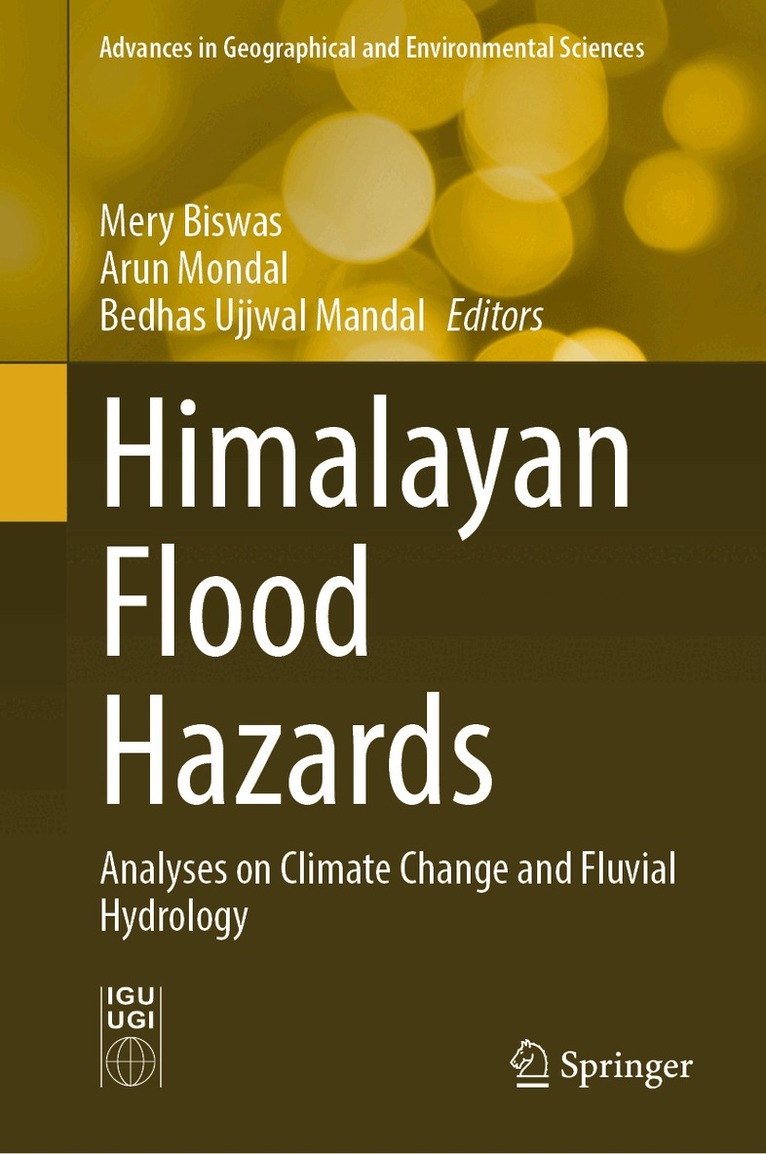
Himalayan Flood Hazards
Analyses on Climate Change and Fluvial Hydrology
Av Mery Biswas, Arun Mondal m. fl.
Inbunden, 2026
1532 kr
Lägg i varukorg
This book presents the autogenic and allogenic consequences of Himalayan floods on a spatio-temporal scale. Himalayan flooding has become an environmental issue in recent years. The monsoon, non-monsoon and hybrid floods are reactivated year after year, causing heart-rending human tragedy and …
Himalayan Flood Hazards
Analyses on Climate Change and Fluvial Hydrology
Av Bedhas Ujjwal Mandal, Arun Mondal m. fl.
E-bok, 2026
1948 kr
Lägg i varukorg
This book presents the autogenic and allogenic consequences of Himalayan floods on a spatio-temporal scale. Himalayan flooding has become an environmental issue in recent years. The monsoon, non-monsoon and hybrid floods are reactivated year after year, causing heart-rending human tragedy and …