Michael A. Olivas - Böcker
Visar alla böcker från författaren Michael A. Olivas. Handla med fri frakt och snabb leverans.
6 produkter
6 produkter
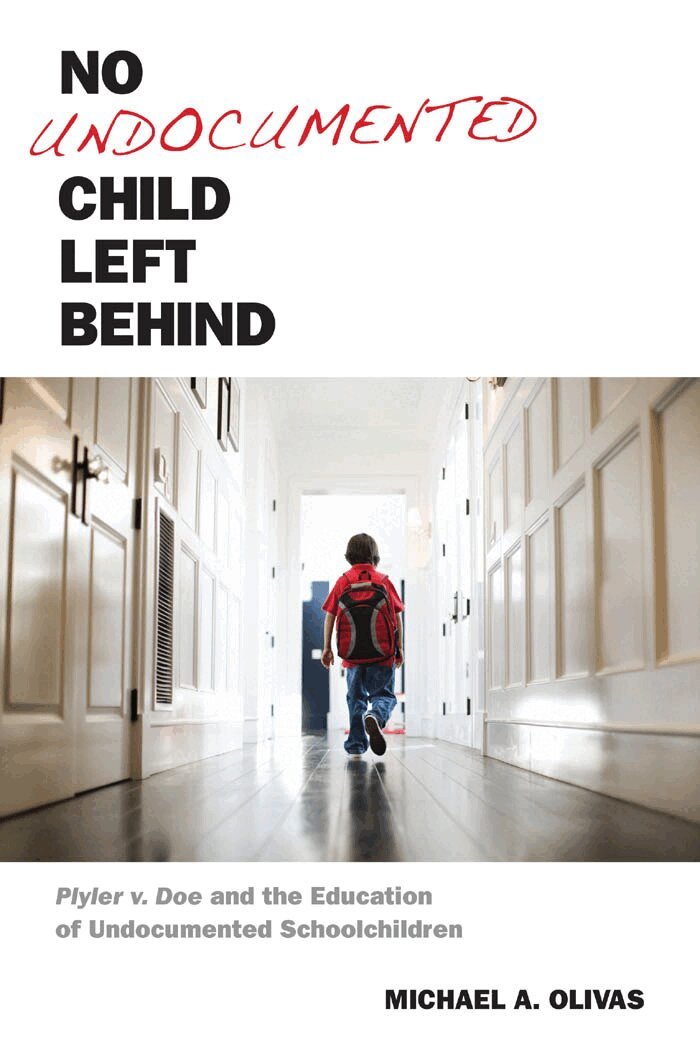
No Undocumented Child Left Behind
Plyler V. Doe and the Education of Undocumented Schoolchildren
Inbunden, Engelska, 2012
483 kr
Skickas inom 10-15 vardagar
The 1982 U. S. Supreme Court case of Plyler v. Doe, which made it possible for undocumented children to enroll in Texas public schools, was a watershed moment for immigrant rights in the United States. The Court struck down both a state statute denying funding for education to undocumented children and a municipal school district's attempt to charge an annual $1,000 tuition fee for each undocumented student to compensate for the lost state funding. Yet while this case has not returned to the Supreme Court, it is frequently contested at the state and local level. In No Undocumented Child Left Behind, Michael A. Olivas tells a fascinating history of the landmark case, examining how, 30 years later, Plyler v. Doe continues to suffer from implementation issues and requires additional litigation and vigilance to enforce the ruling. He takes a comprehensive look at the legal regime it established regarding the education of undocumented school children, moves up through its implementation, including direct and indirect attacks on it, and closes with the ongoing, highly charged debates over the Development, Relief, and Education for Minors (DREAM) Act, which aims to give conditional citizenship to undocumented college students who graduated from US high schools and have been in the country for at least five years. Listen to Michael Olivas on WYPF 88.1 FM, as he takes a look back 30 years to the Supreme Court case that made it possible for undocumented children to enroll in public schools and the highly-charged political and legal battles that have ensued.
525 kr
Skickas inom 10-15 vardagar
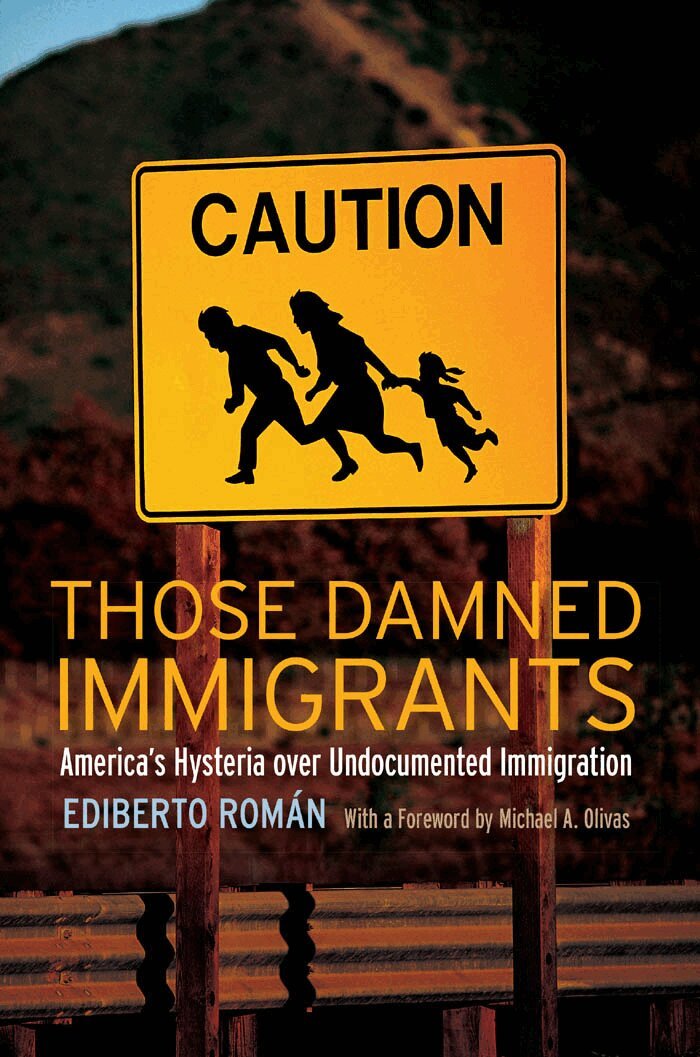
Exposes the false narratives at the heart of Americans' fear of Latino/a immigration The election of Barack Obama prompted people around the world to herald the dawning of a new, postracial era in America. Yet a scant one month after Obama's election, Jose Oswaldo Sucuzhanay, a 31-year old Ecuadorian immigrant,was ambushed by a group of white men as he walked arm and arm with his brother. Yelling anti-Latino slurs, the men beat Sucuzhanay into a coma. He died 5 days later. The incident is one of countless attacks—ranging from physical violence to raids on homes and workplaces to verbal abuse—that Latino/a immigrants have confronted for generations in America. And these attacks—physical and otherwise—are accepted by a substantial number of American citizens and elected officials, who are virulently opposed to immigrant groups crossing the Mexican border. Quick to cast all Latino/a immigrants as illegal, opponents have placed undocumented workers at the center of their anti-immigrant movement, and as such, many different types of native Spanish-speakers in this country (legal, illegal, citizen, guest), have been targeted as being responsible for increasing crime rates, a plummeting economy, and an erosion of traditional American values and culture.In Those Damned Immigrants, Ediberto Román takes on critics of Latina/o immigration, drawing on empirical evidence to refute charges of links between immigration and crime, economic downfall, and a weakening of Anglo culture. Román utilizes government statistics, economic data, historical records, and social science research to provide a counter-narrative to what he argues is a largely one-sided public discourse on Latino/a immigration.
604 kr
Skickas inom 7-10 vardagar
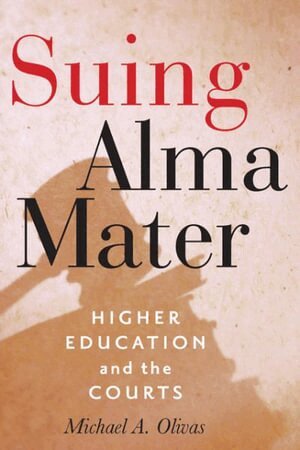
Although much has been written about U.S. Supreme Court decisions involving higher education, little has been said about the foundational case law and litigation patterns emerging from the lower courts. As universities become increasingly legislated, regulated, and litigious, campuses have become testing grounds for a host of constitutional challenges. From faculty and student free speech to race- or religion-based admissions policies, Suing Alma Mater describes the key issues at play in higher education law. Eminent legal scholar Michael A. Olivas considers higher education litigation in the latter half of the twentieth century and the rise of "purposive organizations," like the American Civil Liberties Union and the Alliance Defense Fund (now known as the Alliance Defending Freedom), that exist to advance litigation. He reviews more than 120 college cases brought before the Supreme Court in the past fifty years and then discusses six key cases in depth. Suing Alma Mater provides a clear-eyed perspective on the legal issues facing higher education today.
382 kr
Skickas inom 7-10 vardagar
Although much has been written about U.S. Supreme Court decisions involving higher education, little has been said about the foundational case law and litigation patterns emerging from the lower courts. As universities become increasingly legislated, regulated, and litigious, campuses have become testing grounds for a host of constitutional challenges. From faculty and student free speech to race- or religion-based admissions policies, Suing Alma Mater describes the key issues at play in higher education law. Eminent legal scholar Michael A. Olivas considers higher education litigation in the latter half of the twentieth century and the rise of "purposive organizations," like the American Civil Liberties Union and the Alliance Defense Fund (now known as the Alliance Defending Freedom), that exist to advance litigation. He reviews more than 120 college cases brought before the Supreme Court in the past fifty years and then discusses six key cases in depth. Suing Alma Mater provides a clear-eyed perspective on the legal issues facing higher education today.
214 kr
Skickas inom 10-15 vardagar
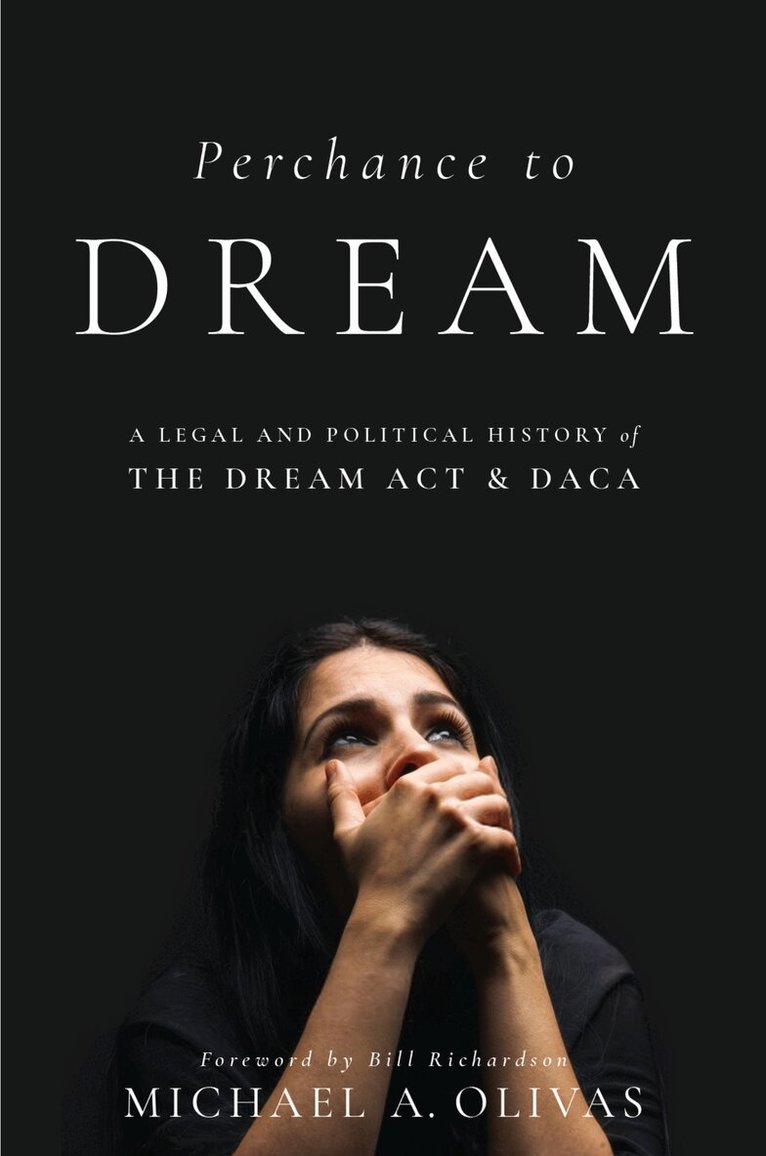
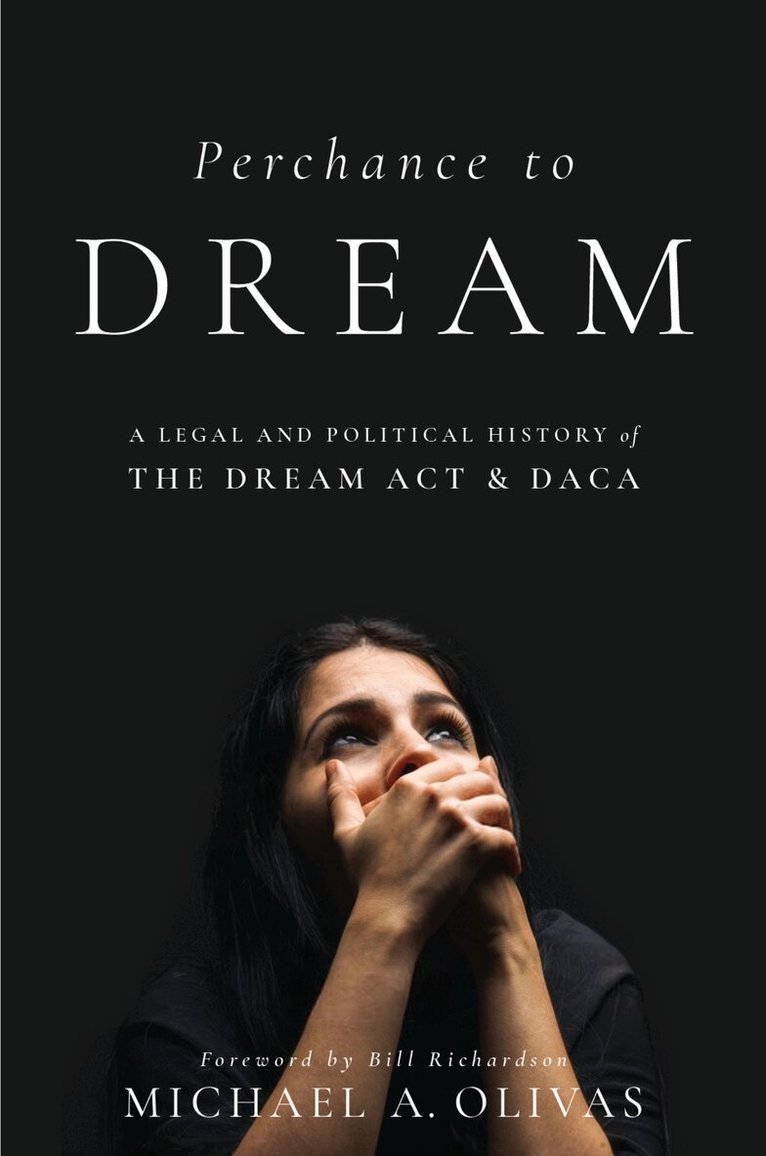
The first comprehensive history of the DREAM Act and Deferred Action for Childhood Arrivals (DACA)In 1982, the Supreme Court of the United States ruled in Plyler v. Doe that undocumented children had the right to attend public schools without charge or impediment, regardless of their immigration status. The ruling raised a question: what if undocumented students, after graduating from the public school system, wanted to attend college? Perchance to DREAM is the first comprehensive history of the DREAM Act, which made its initial congressional appearance in 2001, and Deferred Action for Childhood Arrivals (DACA), the discretionary program established by President Obama in 2012 out of Congressional failure to enact comprehensive immigration reform. Michael A. Olivas relates the history of the DREAM Act and DACA over the course of two decades.With the Trump Administration challenging the legality of DACA and pursuing its elimination in 2017, the fate of DACA is uncertain. Perchance to DREAM follows the political participation of DREAMers, who have been taken hostage as pawns in a cruel game as the White House continues to advocate anti-immigrant policies. Perchance to DREAM brings to light the many twists and turns that the legislation has taken, suggests why it has not gained the required traction, and offers hopeful pathways that could turn this darkness to dawn.
494 kr
Skickas inom 5-8 vardagar
The first comprehensive history of the DREAM Act and Deferred Action for Childhood Arrivals (DACA)In 1982, the Supreme Court of the United States ruled in Plyler v. Doe that undocumented children had the right to attend public schools without charge or impediment, regardless of their immigration status. The ruling raised a question: what if undocumented students, after graduating from the public school system, wanted to attend college? Perchance to DREAM is the first comprehensive history of the DREAM Act, which made its initial congressional appearance in 2001, and Deferred Action for Childhood Arrivals (DACA), the discretionary program established by President Obama in 2012 out of Congressional failure to enact comprehensive immigration reform. Michael A. Olivas relates the history of the DREAM Act and DACA over the course of two decades.With the Trump Administration challenging the legality of DACA and pursuing its elimination in 2017, the fate of DACA is uncertain. Perchance to DREAM follows the political participation of DREAMers, who have been taken hostage as pawns in a cruel game as the White House continues to advocate anti-immigrant policies. Perchance to DREAM brings to light the many twists and turns that the legislation has taken, suggests why it has not gained the required traction, and offers hopeful pathways that could turn this darkness to dawn.