Michael Angold - Böcker
Visar alla böcker från författaren Michael Angold. Handla med fri frakt och snabb leverans.
11 produkter
11 produkter
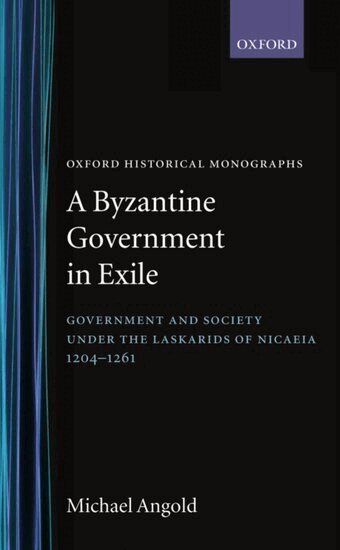
A Byzantine Government in Exile
Government and Society under the Laskarids of Nicaea (1204-1261)
Inbunden, Engelska, 1975
3 182 kr
Skickas inom 7-10 vardagar
A Byzantine Government in Exile Government and Society under the Laskarids of Nicaea (1204-1261)
550 kr
Skickas inom 7-10 vardagar
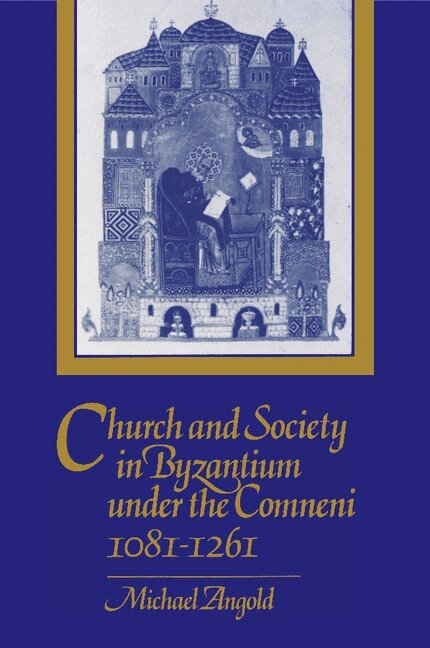
In this major study the theme of 'church and society' provides a means of examining the condition of the Byzantine Empire at an important period of its history, up to and well beyond the fall of Constantinople in 1204. Of all the Byzantine dynasties, the Comneni came closest to realising the Caesaro-papist ideal. However, Comnenian control over the Orthodox church was both deceptive and damaging: deceptive because the church's institutional strength increased, and with it its hold over lay society, damaging because the church's leadership was demoralised by subservience to imperial authority. The church found itself with the strength but not the will to assert itself against an imperial establishment that was in rapid decline by 1180; and neither side was in a position to provide Byzantine society with a sense of purpose. This lack of direction lay at the heart of the malaise that afflicted Byzantium at the time of the fourth crusade. The impasse was resolved after 1204, when in exile the Orthodox church took the lead in reconstructing Byzantine society.
2 663 kr
Skickas inom 7-10 vardagar
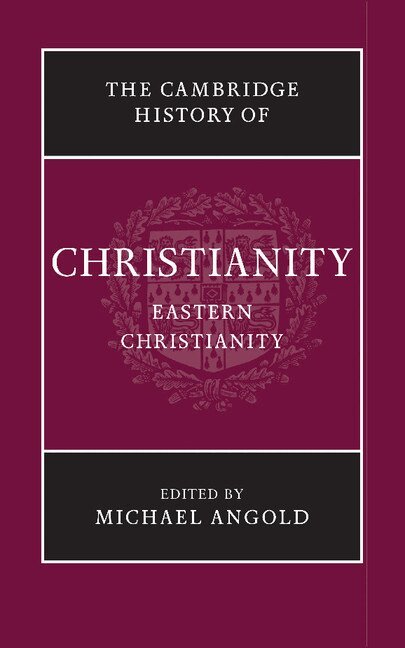
This volume brings together in one compass the Orthodox Churches - the ecumenical patriarchate of Constantinople and the Russian, Armenian, Ethiopian, Egyptian and Syrian Churches. It follows their fortunes from the late Middle Ages until modern times - exactly the period when their history has been most neglected. Inevitably, this emphasises differences in teachings and experience, but it also brings out common threads, most notably the resilience displayed in the face of alien and often hostile political regimes. The central theme is the survival against the odds of Orthodoxy in its many forms into the modern era. The last phase of Byzantium proves to have been surprisingly important in this survival. It provided Orthodoxy with the intellectual, artistic and spiritual reserves to meet later challenges. The continuing vitality of the Orthodox Churches is evident for example in the Sunday School Movement in Egypt and the Zoe brotherhood in Greece.
640 kr
Skickas inom 10-15 vardagar
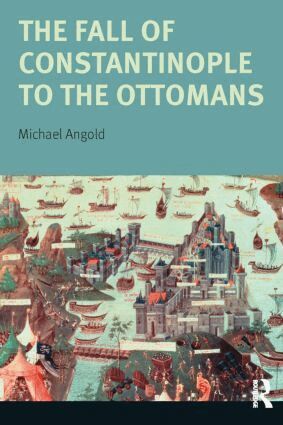
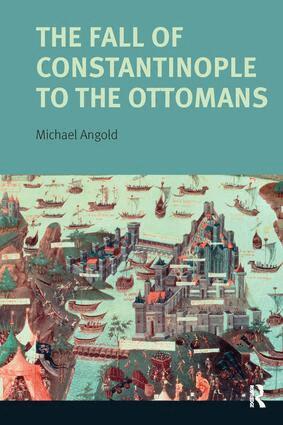
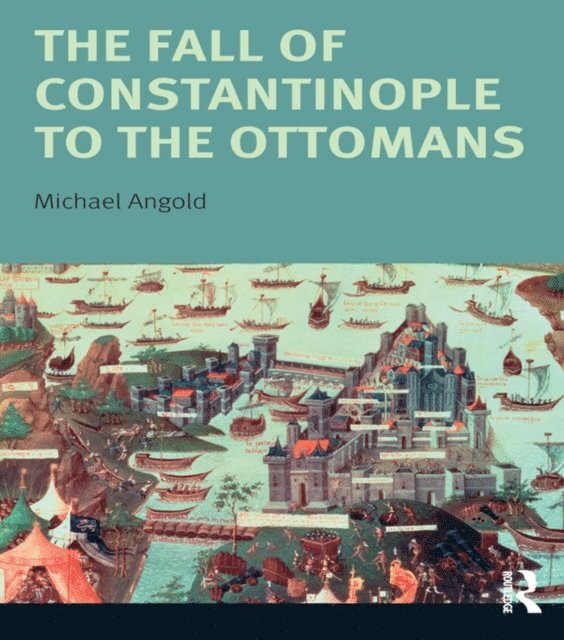
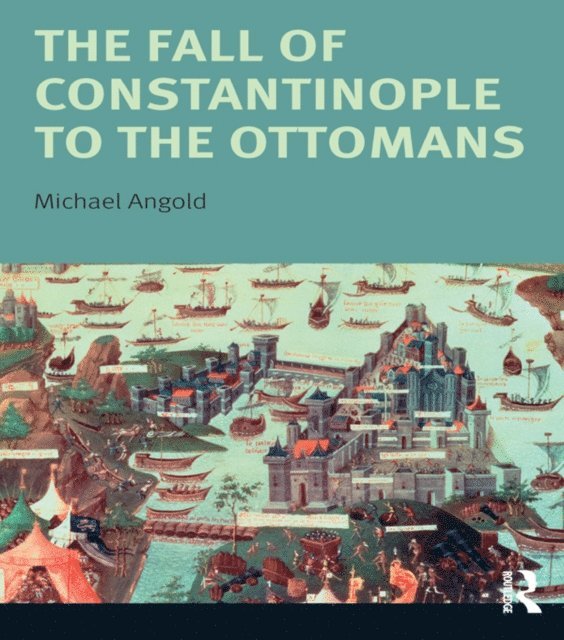
The fall of Constantinople to the Ottomans in 1453 marked the end of a thousand years of the Christian Roman Empire. Thereafter, world civilisation began a process of radical change. The West came to identify itself as Europe; the Russians were set on the path of autocracy; the Ottomans were transformed into a world power while the Greeks were left exiles in their own land. The loss of Constantinople created a void. How that void was to be filled is the subject of this book.Michael Angold examines the context of late Byzantine civilisation and the cultural negotiation which allowed the city of Constantinople to survive for so long in the face of Ottoman power. He shows how the devastating impact of its fall lay at the centre of a series of interlocking historical patterns which marked this time of decisive change for the late medieval world.This concise and original study will be essential reading for students and scholars of Byzantine and late medieval history, as well as anyone with an interest in this significant turning point in world history.
1 068 kr
Skickas inom 5-8 vardagar
563 kr
Skickas inom 7-10 vardagar
This volume brings together in one compass the Orthodox Churches - the ecumenical patriarchate of Constantinople and the Russian, Armenian, Ethiopian, Egyptian and Syrian Churches. It follows their fortunes from the late Middle Ages until modern times - exactly the period when their history has been most neglected. Inevitably, this emphasises differences in teachings and experience, but it also brings out common threads, most notably the resilience displayed in the face of alien and often hostile political regimes. The central theme is the survival against the odds of Orthodoxy in its many forms into the modern era. The last phase of Byzantium proves to have been surprisingly important in this survival. It provided Orthodoxy with the intellectual, artistic and spiritual reserves to meet later challenges. The continuing vitality of the Orthodox Churches is evident for example in the Sunday School Movement in Egypt and the Zoe brotherhood in Greece.
2 166 kr
Skickas inom 10-15 vardagar
The fall of Constantinople to the Ottomans in 1453 marked the end of a thousand years of the Christian Roman Empire. Thereafter, world civilisation began a process of radical change. The West came to identify itself as Europe; the Russians were set on the path of autocracy; the Ottomans were transformed into a world power while the Greeks were left exiles in their own land. The loss of Constantinople created a void. How that void was to be filled is the subject of this book.Michael Angold examines the context of late Byzantine civilisation and the cultural negotiation which allowed the city of Constantinople to survive for so long in the face of Ottoman power. He shows how the devastating impact of its fall lay at the centre of a series of interlocking historical patterns which marked this time of decisive change for the late medieval world.This concise and original study will be essential reading for students and scholars of Byzantine and late medieval history, as well as anyone with an interest in this significant turning point in world history.
Del 4 - Translated Texts for Byzantinists
Nicholas Mesarites
His life and works (in translation)
Inbunden, Engelska, 2017
1 956 kr
Skickas inom 7-10 vardagar
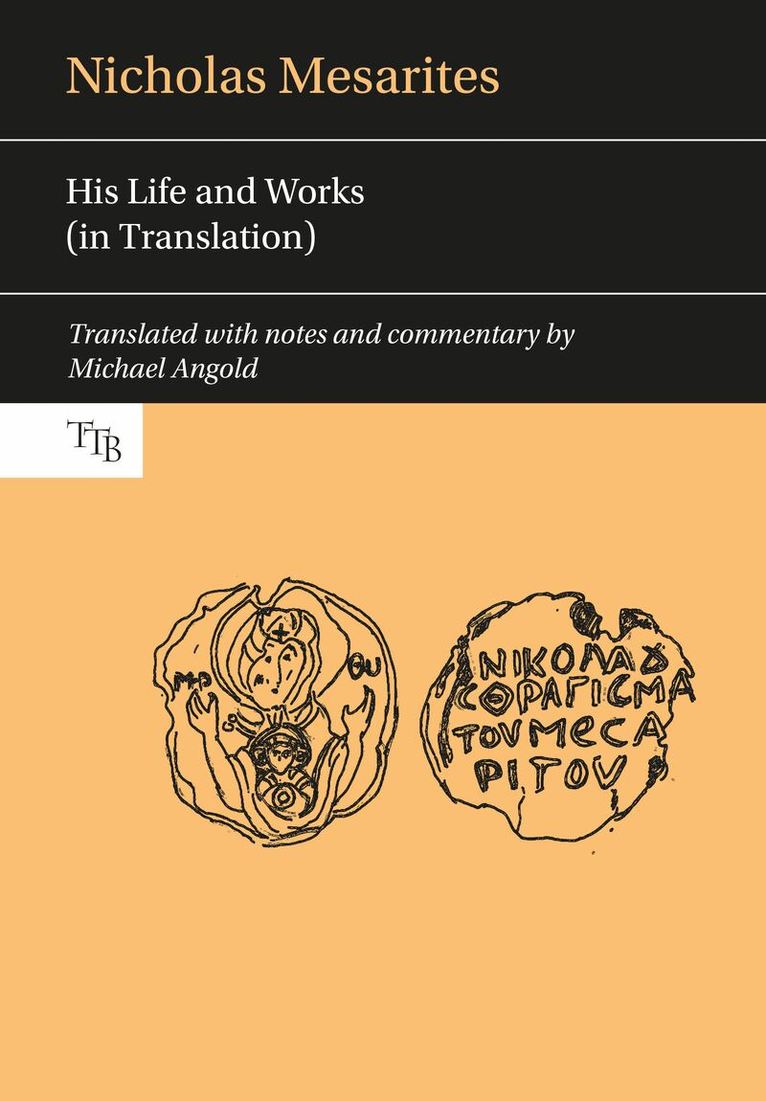
The aim of this book is to make accessible to a wider audience the works of Nicholas Mesarites, who deserves to be better known than he is. He was an ecclesiastic, who from the turn of the twelfth century provides a vivid record from personal experience of his troubled times, which saw the descent of the Byzantine Empire into factionalism, the loss of its capital Constantinople in 1204 to the armies of the fourth crusade, and its eventual reconstitution in exile as the Empire of Nicaea.Nicholas Mesarites is difficult to place, because the record he left behind was not that of a historian, more that of a social commentator. He preferred to highlight individual incidents and to emphasise personal experience and family relationships. He does not try to make sense of events; only to record their immediate impact. His is a fragmented autobiographical approach, which brings the reader closer to events, but leaves him to construct the bigger picture for himself; whether it is an eyewitness account of a palace coup that failed; a description of the relics of the passion; the memories of a brother, who became a defender of Orthodoxy; the detailed evocation of the Church of the Holy Apostles at Constantinople; the portrayal of his own nervous collapse following the loss of Constantinople; a character study of an ecclesiastical rival; or not least the mishaps -often for comical effect - suffered in the course of his travels. Because he was writing, as he tells us, largely to please himself, Nicholas Mesarites provides an idiosyncratic view of the society in which he moved, and, as he was less bound by literary convention than his contemporaries, he writes with a refreshing directness.
Del 4 - Translated Texts for Byzantinists
Nicholas Mesarites
His life and works (in translation)
Häftad, Engelska, 2019
578 kr
Skickas inom 7-10 vardagar
The aim of this book is to make accessible to a wider audience the works of Nicholas Mesarites, who deserves to be better known than he is. He was an ecclesiastic, who from the turn of the twelfth century provides a vivid record from personal experience of his troubled times, which saw the descent of the Byzantine Empire into factionalism, the loss of its capital Constantinople in 1204 to the armies of the fourth crusade, and its eventual reconstitution in exile as the Empire of Nicaea.Nicholas Mesarites is difficult to place, because the record he left behind was not that of a historian, more that of a social commentator. He preferred to highlight individual incidents and to emphasise personal experience and family relationships. He does not try to make sense of events; only to record their immediate impact. His is a fragmented autobiographical approach, which brings the reader closer to events, but leaves him to construct the bigger picture for himself; whether it is an eyewitness account of a palace coup that failed; a description of the relics of the passion; the memories of a brother, who became a defender of Orthodoxy; the detailed evocation of the Church of the Holy Apostles at Constantinople; the portrayal of his own nervous collapse following the loss of Constantinople; a character study of an ecclesiastical rival; or not least the mishaps -often for comical effect - suffered in the course of his travels. Because he was writing, as he tells us, largely to please himself, Nicholas Mesarites provides an idiosyncratic view of the society in which he moved, and, as he was less bound by literary convention than his contemporaries, he writes with a refreshing directness.
Del 14 - Translated Texts for Byzantinists
Germanos II, Patriarch of Constantinople (1223-1240)
Select Sermons
Inbunden, Engelska, 2024
1 931 kr
Skickas inom 7-10 vardagar
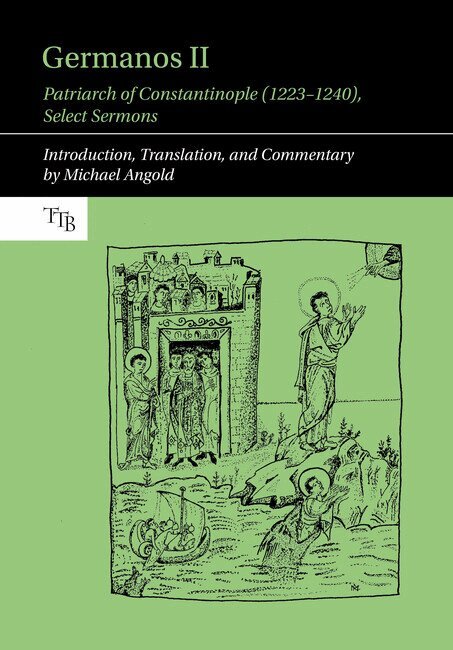
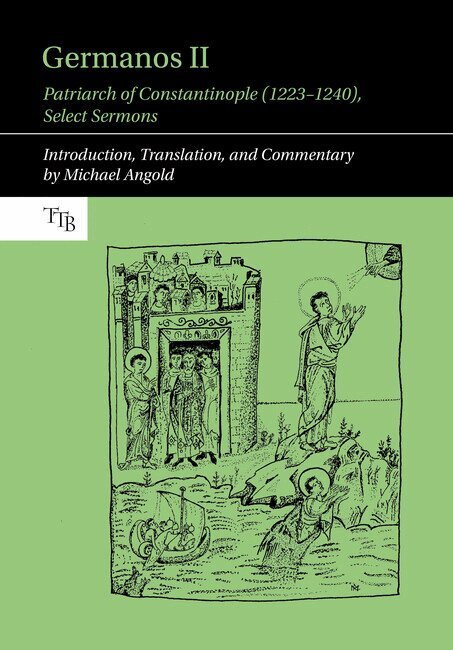
Germanos II (1223-40) was the Orthodox patriarch of Constantinople at a critical period after its fall in 1204 to the fourth crusade, when Byzantium looked doomed to irrelevance, as its emperor and patriarch eked out a shadowy existence in exile at Nicaea. Germanos II’s major achievement was to give his office renewed substance by obtaining recognition of his ecumenical authority not only from the community of Orthodox churches, but tacitly from the papacy itself. In doing so he also restored a modicum of prestige to the imperial dignity. Remarkable as his legacy was, it has gone largely unrecognised both by contemporaries and by modern scholarship. Why memory of his work was not better preserved is a puzzle to which his unfairly neglected sermons offer a key. They reveal an abrasive character, whose humble origins put him at odds with both the court nobility and the higher clergy. He was more concerned with the promotion of the evangelical ideal through preaching and social justice than he was with church administration and the performance of the liturgy. He was in conventional terms an embarrassment, who was best forgotten. The twenty-one sermons translated here were not, as was so often the case, exercises in belles-lettres but a sustained effort to bring about both social and moral reform as a precondition for the recovery of Constantinople from the Latins. They bear comparison with those of John Chrysostom, whose influence is evident in the way Germanos II used his sermons to create a dialogue with his audience. This new translation of a neglected source casts light on the surprising survival of Byzantium at a critical moment in its history.
Del 14 - Translated Texts for Byzantinists
Germanos II, Patriarch of Constantinople (1223-1240)
Select Sermons
Häftad, Engelska, 2025
432 kr
Skickas inom 7-10 vardagar
Germanos II (1223-40) was the Orthodox patriarch of Constantinople at a critical period after its fall in 1204 to the fourth crusade, when Byzantium looked doomed to irrelevance, as its emperor and patriarch eked out a shadowy existence in exile at Nicaea. Germanos II’s major achievement was to give his office renewed substance by obtaining recognition of his ecumenical authority not only from the community of Orthodox churches, but tacitly from the papacy itself. In doing so he also restored a modicum of prestige to the imperial dignity. Remarkable as his legacy was, it has gone largely unrecognised both by contemporaries and by modern scholarship. Why memory of his work was not better preserved is a puzzle to which his unfairly neglected sermons offer a key. They reveal an abrasive character, whose humble origins put him at odds with both the court nobility and the higher clergy. He was more concerned with the promotion of the evangelical ideal through preaching and social justice than he was with church administration and the performance of the liturgy. He was in conventional terms an embarrassment, who was best forgotten. The twenty-one sermons translated here were not, as was so often the case, exercises in belles-lettres but a sustained effort to bring about both social and moral reform as a precondition for the recovery of Constantinople from the Latins. They bear comparison with those of John Chrysostom, whose influence is evident in the way Germanos II used his sermons to create a dialogue with his audience. This new translation of a neglected source casts light on the surprising survival of Byzantium at a critical moment in its history.