Michael Colvin – författare
Visar alla böcker från författaren Michael Colvin. Handla med fri frakt och snabb leverans.
7 produkter
Fado and the Urban Poor in Portuguese Cinema of the 1930s and 1940s
Inbunden, 2016
896 kr
Lägg i varukorg
A compelling account of the role of Fado and the fadista in Portuguese film and the wider culture.Colvin studies the evolution of Fado music as the soundtrack to the Portuguese talkie. He analyzes the most successful Portuguese films of the first two decades of the Estado Novo era, showing how …
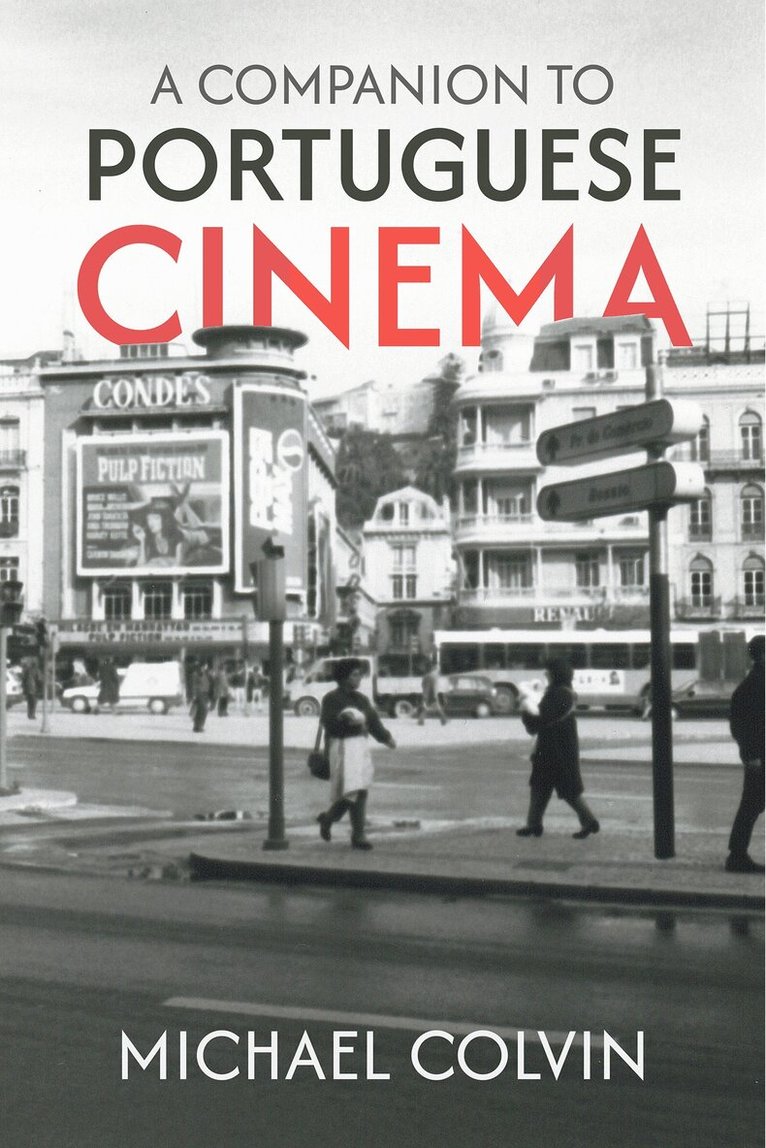
Companion to Portuguese Cinema
Inbunden, 2026
1134 kr
Lägg i varukorg
A compelling history of Portuguese cinema that reveals how politics, culture and technology shaped a national film tradition with international reach.The book focuses on the relationship between the major political, technological, and cultural movements in Portugal and the construction of a film …
Companion to Portuguese Cinema
E-bok, 2026
370 kr
Lägg i varukorg
A compelling history of Portuguese cinema that reveals how politics, culture and technology shaped a national film tradition with international reach.The book focuses on the relationship between the major political, technological, and cultural movements in Portugal and the construction of a film …
Companion to Portuguese Cinema
E-bok, 2026
370 kr
Lägg i varukorg
A compelling history of Portuguese cinema that reveals how politics, culture and technology shaped a national film tradition with international reach.The book focuses on the relationship between the major political, technological, and cultural movements in Portugal and the construction of a film …
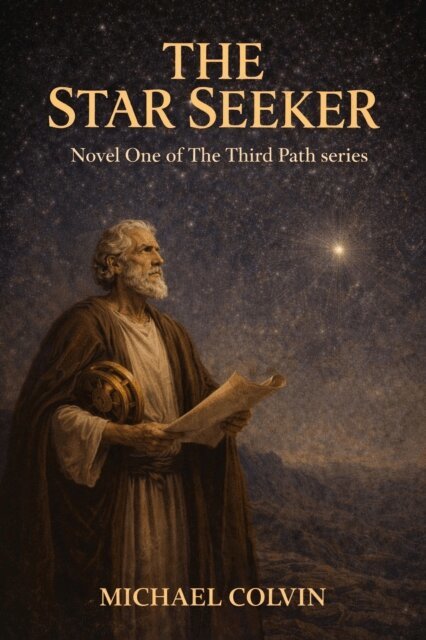
Star Seeker
The Third Path, #1
E-bok, 2026
128 kr
Lägg i varukorg
THE STAR SEEKER In 6 BCE, three Persian scholars followed a star expecting to find a new king. What they found broke one, destroyed another, and left the third with a purpose, but also with questions he still cannot answer.Fifty years later, old and in hiding, Eudoxus lives in the mountains of …