Michael Falser – författare
Visar alla böcker från författaren Michael Falser. Handla med fri frakt och snabb leverans.
7 produkter
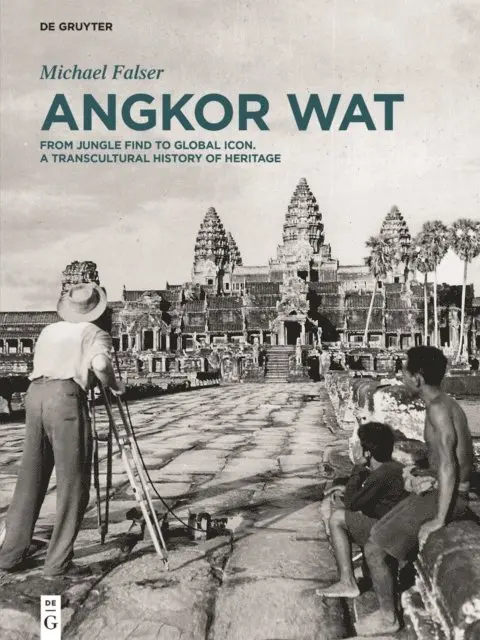
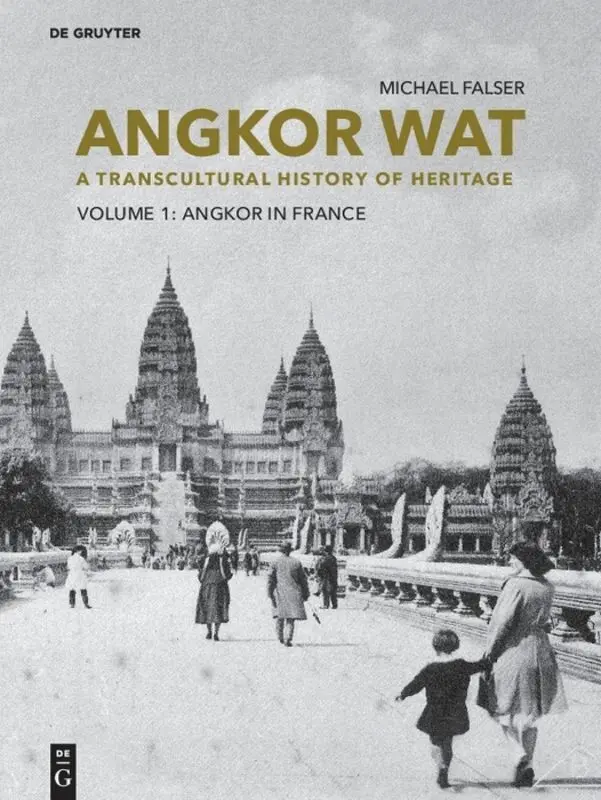
Angkor Wat - A Transcultural History of Heritage
Volume 1: Angkor in France. From Plaster Casts to Exhibition Pavilions. Volume 2: Angkor in Cambodia. From Jungle Find to Global Icon
E-bok, 2019
2163 kr
Lägg i varukorg
This book unravels the formation of the modern concept of cultural heritage by charting its colonial, postcolonial-nationalist and global trajectories. By bringing to light many unresearched dimensions of the twelfth-century Cambodian temple of Angkor Wat during its modern history, the study argues …
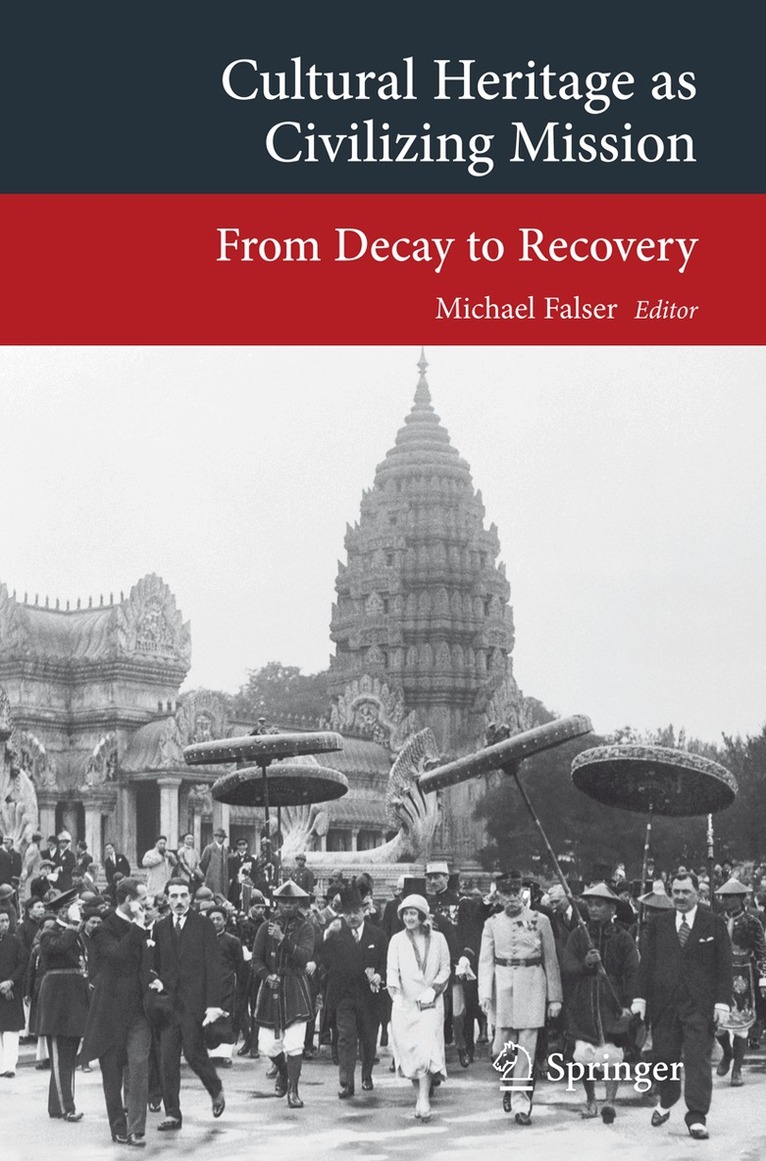
Cultural Heritage as Civilizing Mission
From Decay to Recovery
Häftad, 2015
1464 kr
Lägg i varukorg
This book investigates the role of cultural heritage as a constitutive dimension of different civilizing missions from the colonial era to the present. It includes case studies of the Habsburg Empire and German colonialism in Africa, Asian case studies of (post)colonial India and the Dutch East …
Cultural Heritage as Civilizing Mission
From Decay to Recovery
E-bok, 2015
1798 kr
Lägg i varukorg
This book investigates the role of cultural heritage as a constitutive dimension of different civilizing missions from the colonial era to the present. It includes case studies of the Habsburg Empire and German colonialism in Africa, Asian case studies of (post)colonial India and the Dutch East …
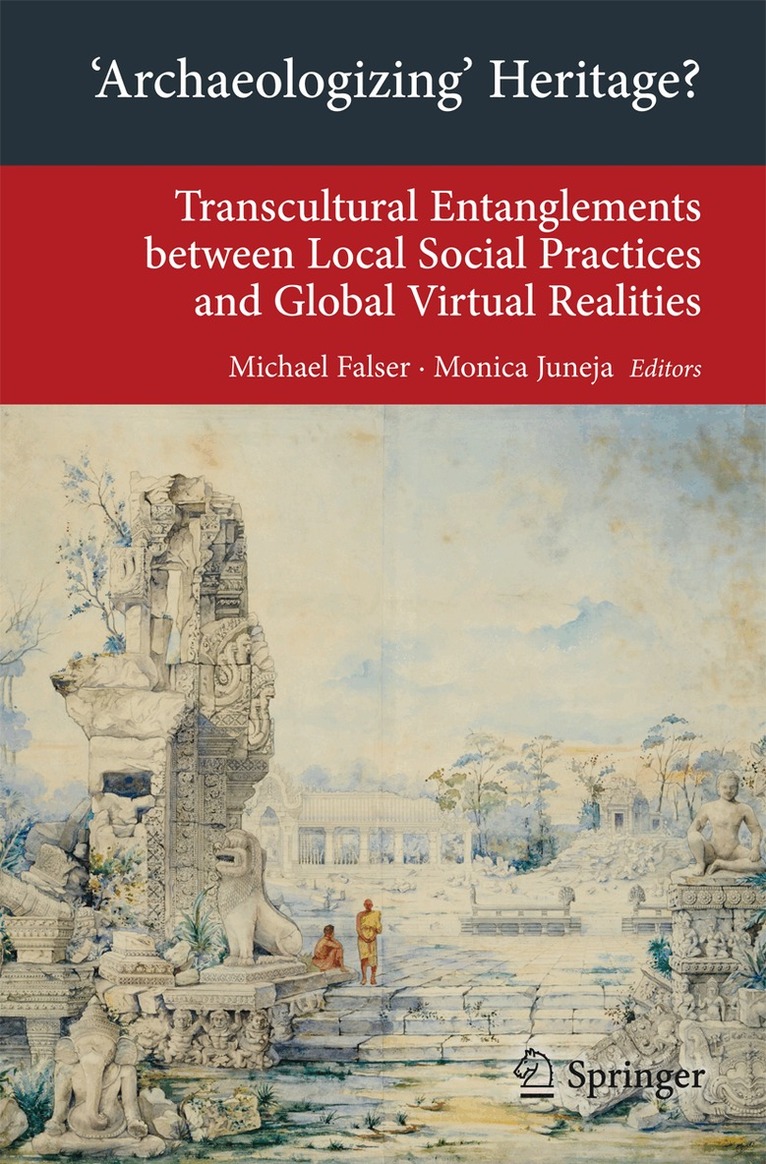
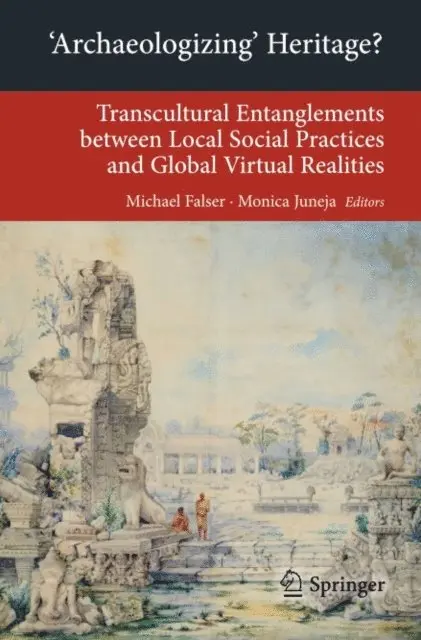
'Archaeologizing' Heritage?
Transcultural Entanglements between Local Social Practices and Global Virtual Realities
Av Michael Falser, Monica Juneja
Häftad, 2013
1576 kr
Lägg i varukorg
This book investigates what has constituted notions of "archaeological heritage" from colonial times to the present. It includes case studies of sites in South and Southeast Asia with a special focus on Angkor, Cambodia. The contributions, the subjects of which range from architectural and …
'Archaeologizing' Heritage?
Transcultural Entanglements between Local Social Practices and Global Virtual Realities
Av Monica Juneja, Michael Falser
E-bok, 2013
1948 kr
Lägg i varukorg
This book investigates what has constituted notions of "archaeological heritage" from colonial times to the present. It includes case studies of sites in South and Southeast Asia with a special focus on Angkor, Cambodia. The contributions, the subjects of which range from architectural and …
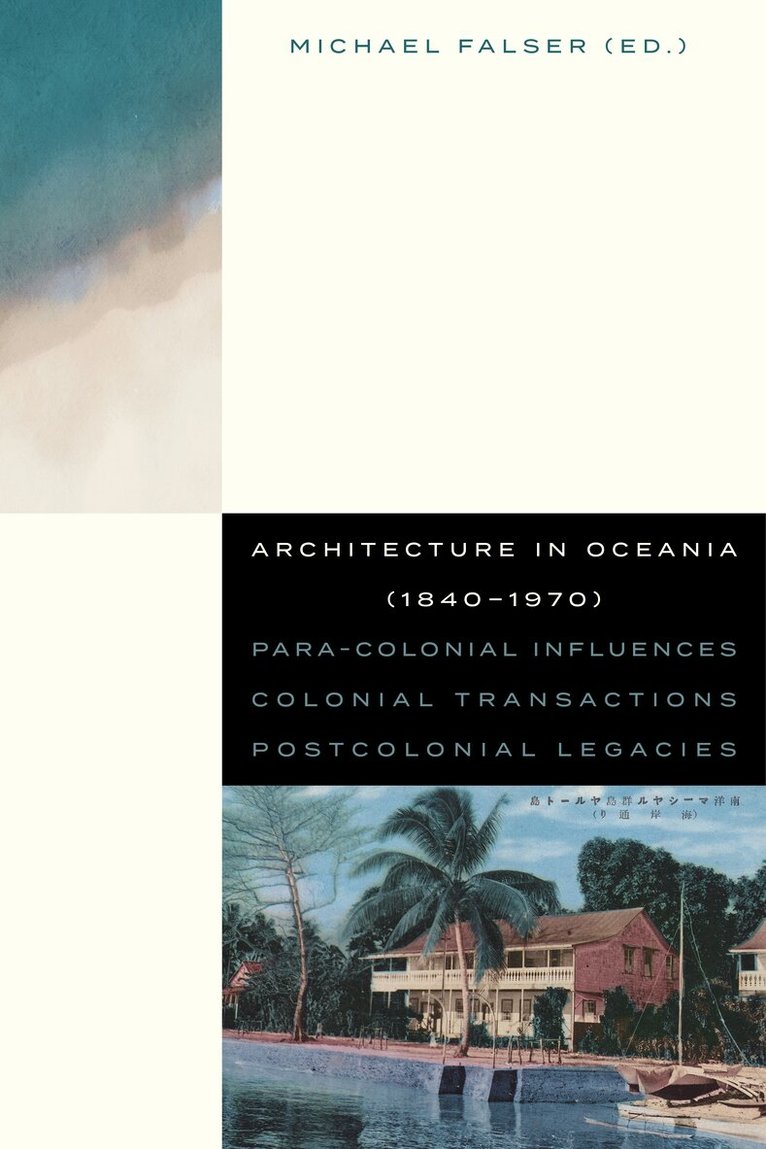
Architecture in Oceania (1840-1970)
Para-Colonial Influences – Colonial Transactions – Postcolonial Legacies
Häftad, 2025
715 kr
Lägg i varukorg
Para-colonial, colonial, and postcolonial entanglements in South Pacific architecture.Knowledge of colonial architecture in the South Pacific remains sparse, with often-overlooked connections to para-colonial settings and postcolonial continuities. This edited volume seeks to address these gaps, …
Angkor Wat – a Transcultural History of Heritage
Volume 1: Angkor in France. from Plaster Casts to Exhibition Pavilions. Volume 2: Angkor in Cambodia. from Jungle Find to Global Icon
Inbunden, 2019
2194 kr
Tillfälligt slut
This book unravels the formation of the modern concept of cultural heritage by charting its colonial, postcolonial-nationalist and global trajectories. By bringing to light many unresearched dimensions of the twelfth-century Cambodian temple of Angkor Wat during its modern history, the study argues …