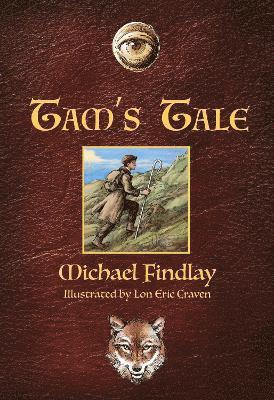
Tam leaves home, finds a mysterious golden eye, and is guided by Ned through forests and dangers.He survives a shipwreck, is cared for by Binty and Toesy, and learns about the prophecy and the tyranny in Colonia.Tam and Ned travel together, meeting allies and encountering threats, including Ruth and Kyte.Tam and Kristine meet at the monastery, each possessing a golden eye, and learn they are destined to fulfill the prophecy.They journey to Colonia, disguised as runaways, with Archie and Oscar's help.And the outcome of this quest, fraught with adventure and danger, fighting wolves as well as despots, remains to be found out...
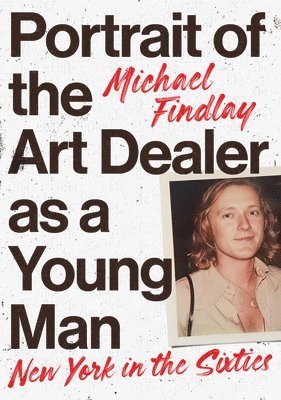
This memoir from the influential art dealer and author offers an up close and personal perspective on New York’s vibrant art scene of the sixties and seventies.One of today’s most respected art dealers, Michael Findlay launched his career surrounded by the most exciting figures of the late twentieth century art scene. His generously illustrated memoir traces his childhood in Scotland to his arrival in New York, where he directed one of the first art galleries in SoHo, exposing American audiences to the likes of Joseph Beuys and Sean Scully. Findlay launched the first solo exhibitions of John Baldessari, Hannah Wilke, Stephen Mueller and Billy Sullivan. He offers fascinating recollections about his relationships with painters and sculptors, art dealers and art collectors, actors, models and the creative talents at the heart of New York’s Downtown scene.Making appearances in Findlay’s stellar cast of characters are Andy Warhol, David Hockney, Bridget Riley, Jasper Johns, Robert Rauschenberg, Ray Johnson, Gerald Laing, Joseph Cornell, Allen Ginsberg, model Naomi Sims, and the poet Gerard Malanga. He vividly depicts comings and goings at The Chelsea Hotel, St. Mark’s Place, Studio 54 and Max’s Kansas City. He describes in candid detail the pros and cons of the wild parties and the freewheeling lifestyle of that swinging era. Anyone interested in twentieth century cultural history, the post- World War II art market, or sixties and seventies New York will be gripped and entertained by Findlay’s evocatively recounted journey.
When it comes to viewing art, living in the information age is not necessarily a benefit. So argues Michael Findlay in this book that encourages a new way of looking at art. Much of this thinking involves stripping away what we have been taught and instead trusting our own instincts, opinions, and reactions. Including reproductions of works by Mark Rothko, Paul Klee, Joan Miro , Jacob Lawrence, and other modern and contemporary masters, this book takes readers on a journey through modern art. Chapters such as "What Is a Work of Art?" "Can We Look and See at the Same Time?" and "Real Connoisseurs Are Not Snobs," not only give readers the confidence to form their own opinions, but also encourages them to make connections that spark curiosity, intellect, and imagination. "The most important thing for us to grasp," writes Findlay, "is that the essence of a great work of art is inert until it is seen. Our engagement with the work of art liberates its essence." After reading this book, even the most intimidated art viewer will enter a museum or gallery feeling more confident and leave it feeling enriched and inspired.