Michael Haas – författare
Visar alla böcker från författaren Michael Haas. Handla med fri frakt och snabb leverans.
70 produkter
Pacific Way
Regional Cooperation in the South Pacific
Av Michael Haas
Inbunden, 1989
1095 kr
Lägg i varukorg
This insightful book shows how the cultural affinity among the island nations of the South Pacific, known as the Pacific Way, has led to unique regional intergovernmental organizations. In particular, Haas points out that the survival and vitality of regional cooperation in the South Pacific is …
Korean Reunification
Alternative Pathways
Inbunden, 1989
852 kr
Lägg i varukorg
A collection of original papers by distinguished scholars, this volume explores a variety of strategies for the reunification of North and South Korea, based on alternative theoretical approaches. Although many policymakers and academics have been pessimistic about reunification, each of the …
Asian Way to Peace
A Story of Regional Cooperation
Av Michael Haas
Inbunden, 1989
1063 kr
Lägg i varukorg
While Europe has traditionally been the role model for international cooperation, this volume suggests a new highly successful mode. Using a flourishing operational code of diplomacy known as the Asian Way, Asian regional cooperation has gone even further to unite disparate countries for economic …
Institutional Racism
The Case of Hawaii
Av Michael Haas
Inbunden, 1992
896 kr
Lägg i varukorg
This book describes how institutional racism arose in Hawaii, why it arose, what kept it going, and how it can be dismantled. The book is unique in describing the history, statistical patterns, ideological disputation, and political underpinnings of institutional racism in a particular state, …
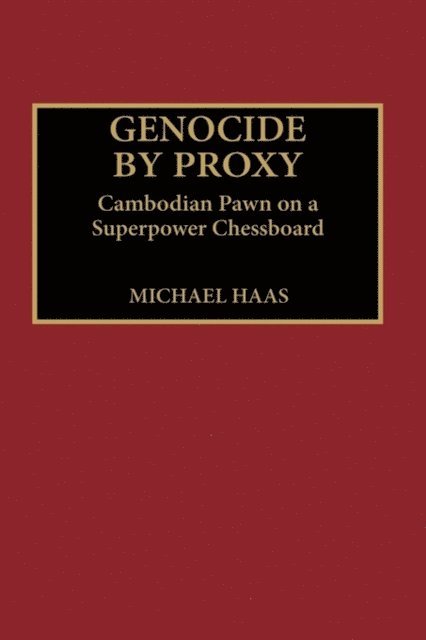
Genocide by Proxy
Cambodian Pawn on a Superpower Chessboard
Av Michael Haas
Inbunden, 1991
1095 kr
Lägg i varukorg
A detailed, scholarly reassessment of developments in Cambodia since December 25, 1978, when Vietnamese combat soldiers expelled the ruthless Pol Pot regime. Genocide by Proxy is an account of a country at war and of a people consigned to the role of pawn in world politics. Michael Haas contends …
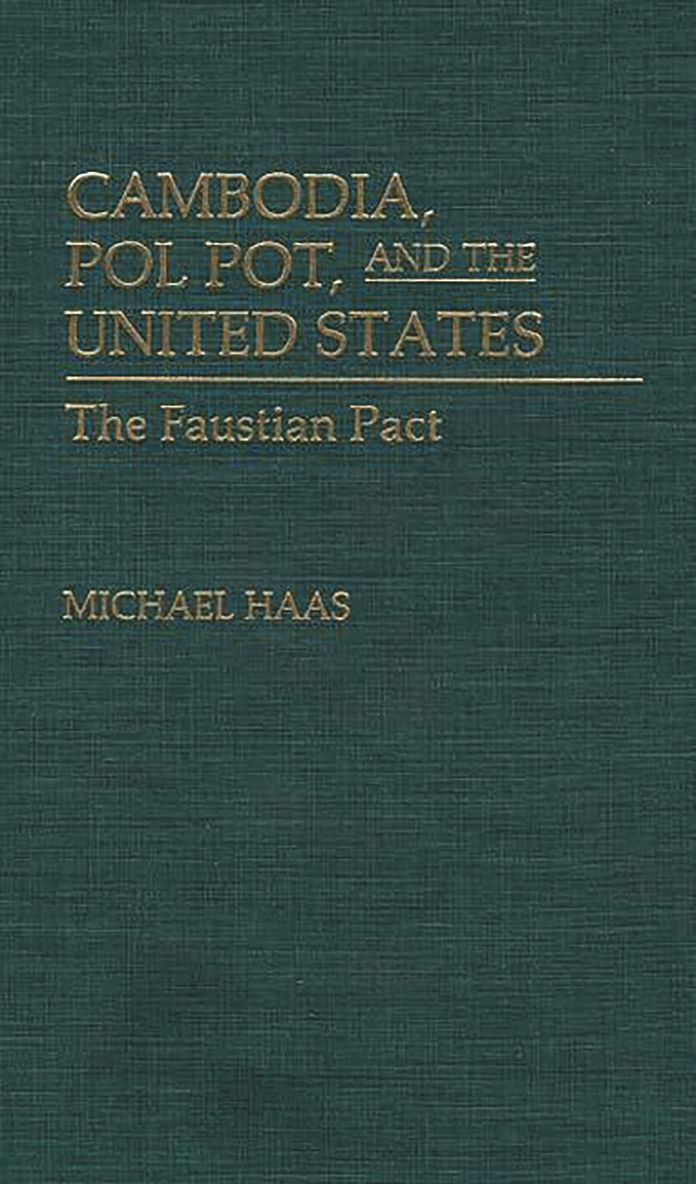
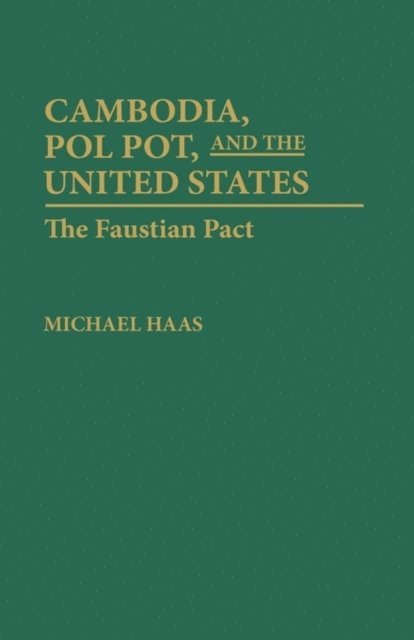
Cambodia, Pol Pot, and the United States
The Faustian Pact
Av Michael Haas
Inbunden, 1991
1385 kr
Lägg i varukorg
This provocative analysis of U.S. relations with Cambodia from the 1950s to the present illuminates foreign policy issues that remain especially pertinent in the aftermath of the Cold War, as we attempt to formulate new approaches to a changed but still threatening international situation. Based on …
Improving Human Rights
Av Michael Haas
Inbunden, 1994
1063 kr
Lägg i varukorg
The first comprehensive statistical analysis of human rights attainments and improvements over time, this book seeks to answer the question, Why do some countries better observe human rights than others, and what can be done to advance the cause of human rights around the world? Haas's data support …
Singapore Puzzle
Av Michael Haas
Inbunden, 1999
1095 kr
Lägg i varukorg
Although Singapore's struggle for independence was led by politicians promising democracy, the leaders have sought to maintain power by reversing democratic practices and subverting democratic institutions. The case for Singapore's government today is based on economic prosperity that has raised …
Forbidden Music
The Jewish Composers Banned by the Nazis
Av Michael Haas
Häftad, 2014
229 kr
Lägg i varukorg
A groundbreaking study of the Jewish composers and musicians banned by the Third Reich—and the consequences for music worldwideWith National Socialism's arrival in Germany in 1933, Jews dominated music more than virtually any other sector, making it the most important cultural front in the Nazi …
Music of Exile
The Untold Story of the Composers who Fled Hitler
Av Michael Haas
Inbunden, 2023
311 kr
Lägg i varukorg
What happens to a composer when persecution and exile means their true music no longer has an audience? In the 1930s, composers and musicians began to flee Hitler’s Germany to make new lives across the globe. The process of exile was complex: although some of their works were celebrated, these …
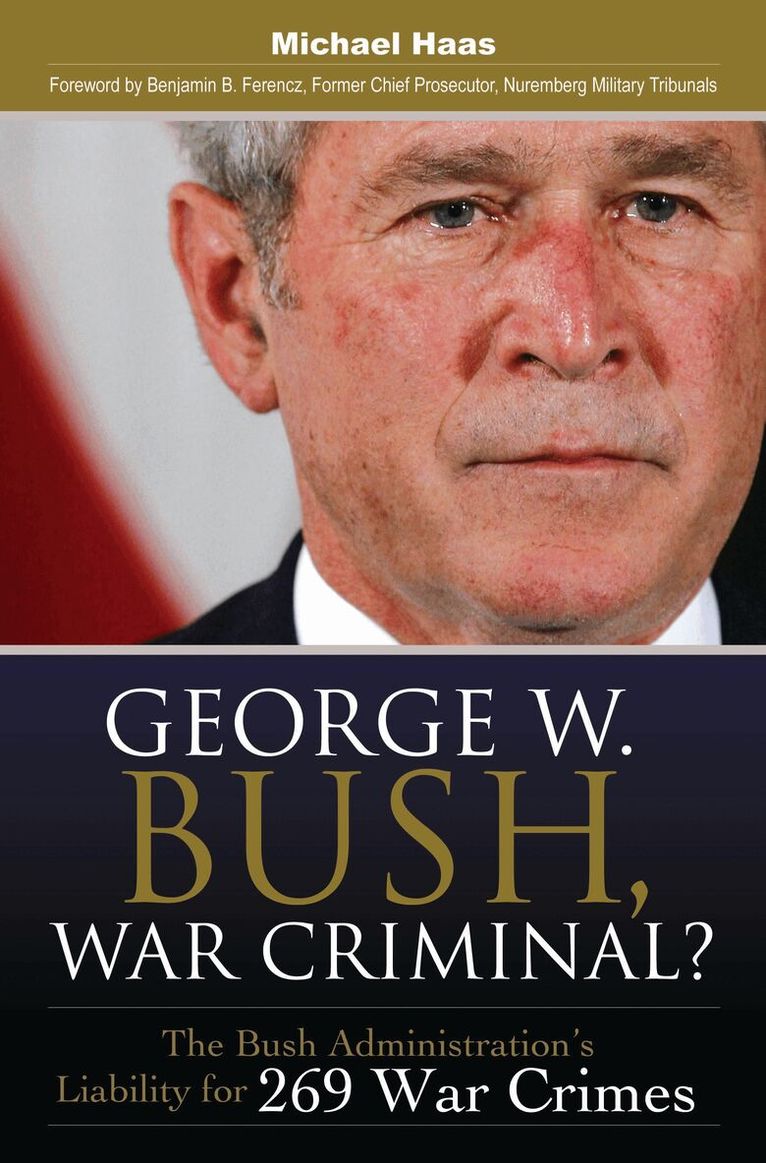
George W. Bush, War Criminal?
The Bush Administration's Liability for 269 War Crimes
Av Michael Haas
Inbunden, 2008
1063 kr
Lägg i varukorg
Eminent jurists, professional legal organizations, and human rights monitors in this country and around the world have declared that President George W. Bush may be prosecuted as a war criminal when he leaves office for his overt and systematic violations of such international law as the Geneva and …
George W. Bush, War Criminal?
The Bush Administration's Liability for 269 War Crimes
Av Michael Haas
E-bok, 2008
430 kr
Lägg i varukorg
George W. Bush, War Criminal? identifies and documents 269 specific war crimes under US and international law for which President Bush, senior officials and staff in his administration, and military officers under his command are liable to be prosecuted. Haas divides the 269 war crimes of the Bush …
Cambodia, Pol Pot, and the United States
The Faustian Pact
Av Michael Haas
E-bok, 1991
1449 kr
Lägg i varukorg
This provocative analysis of U.S. relations with Cambodia from the 1950s to the present illuminates foreign policy issues that remain especially pertinent in the aftermath of the Cold War, as we attempt to formulate new approaches to a changed but still threatening international situation. Based on …
Genocide by Proxy
Cambodian Pawn on a Superpower Chessboard
Av Michael Haas
E-bok, 1991
1169 kr
Lägg i varukorg
A detailed, scholarly reassessment of developments in Cambodia since December 25, 1978, when Vietnamese combat soldiers expelled the ruthless Pol Pot regime. Genocide by Proxy is an account of a country at war and of a people consigned to the role of pawn in world politics. Michael Haas contends …
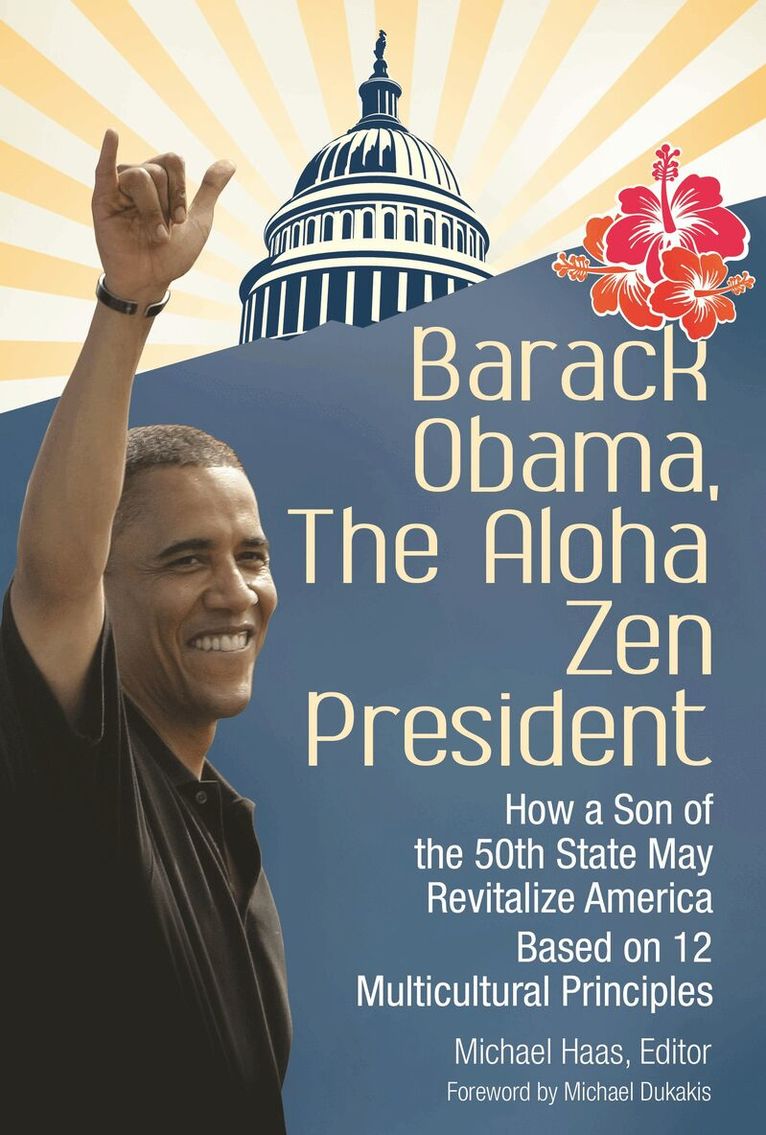
Barack Obama, The Aloha Zen President
How a Son of the 50th State May Revitalize America Based on 12 Multicultural Principles
Inbunden, 2011
852 kr
Lägg i varukorg
With a foreword written by former presidential candidate Michael Dukakis, this book portrays President Barack Obama as a true child of Hawai'i and explains why he believes that America can achieve even more greatness by learning from the multicultural customs of the 50th state.Obama's aspiration to …
Barack Obama, The Aloha Zen President
How a Son of the 50th State May Revitalize America Based on 12 Multicultural Principles
Av Michael Haas
E-bok, 2011
546 kr
Lägg i varukorg
With a foreword written by former presidential candidate Michael Dukakis, this book portrays President Barack Obama as a true child of Hawai''i and explains why he believes that America can achieve even more greatness by learning from the multicultural customs of the 50th state. Obama's aspiration …
International Human Rights
A Comprehensive Introduction
Av Michael Haas
Inbunden, 2013
2277 kr
Lägg i varukorg
This book provides a comprehensive introduction to international human rights -- international human rights law, why international human rights have increasingly risen to world prominence, what is being done about violations of human rights, and what might be done to further promote the cause of …
International Human Rights
A Comprehensive Introduction
Av Michael Haas
Häftad, 2013
888 kr
Lägg i varukorg
This book provides a comprehensive introduction to international human rights -- international human rights law, why international human rights have increasingly risen to world prominence, what is being done about violations of human rights, and what might be done to further promote the cause of …
Mr. Calm and Effective: Evaluating the Presidency of Barack Obama
Av Michael Haas
Häftad
310 kr
Lägg i varukorg
Deconstructing the "Democratic Peace": How a Research Agenda Boomeranged
Av Michael Haas
Häftad
320 kr
Lägg i varukorg
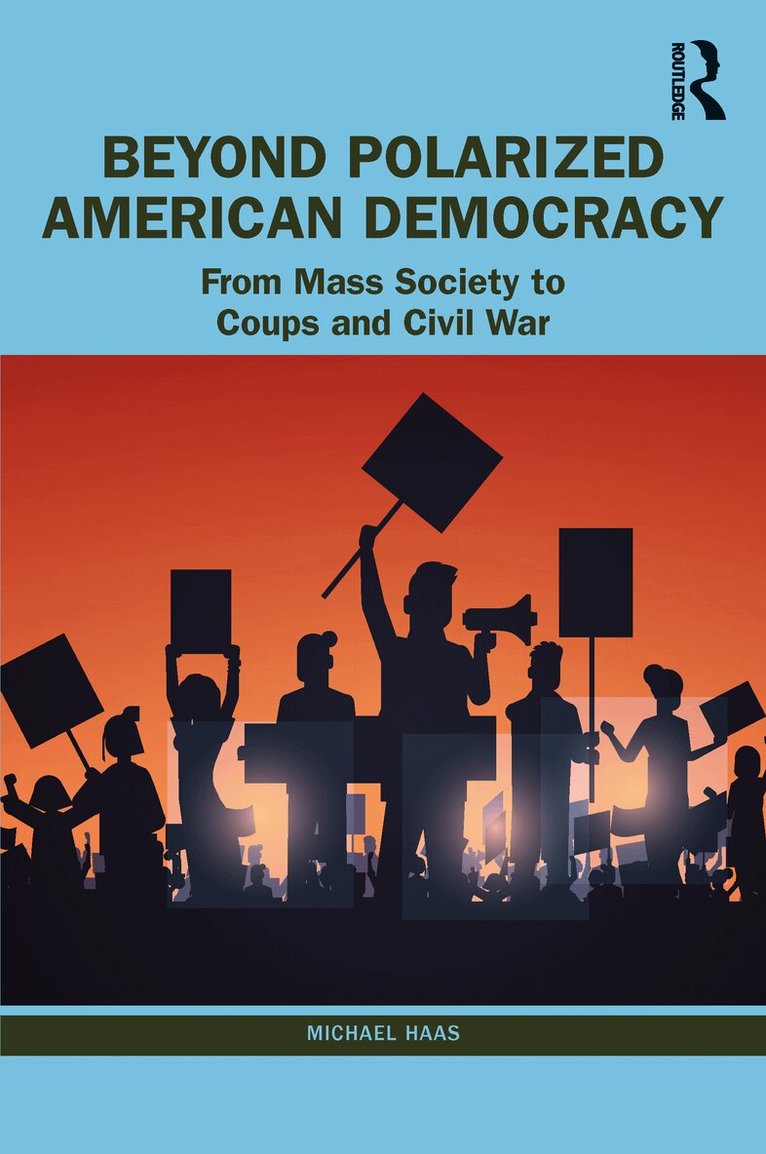
Beyond Polarized American Democracy
From Mass Society to Coups and Civil War
Av Michael Haas
E-bok, 2023
746 kr
Lägg i varukorg
Civil war in the United States is now a mainstream topic due to apparent signs of ongoing planning. This book reveals why in several ways. First, four major ideological drivers of possible conflict are identified. Next, ten arenas of ongoing nonviolent civil war are traced as increasingly for …
Beyond Polarized American Democracy
From Mass Society to Coups and Civil War
Av Michael Haas
E-bok, 2023
746 kr
Lägg i varukorg
Civil war in the United States is now a mainstream topic due to apparent signs of ongoing planning. This book reveals why in several ways. First, four major ideological drivers of possible conflict are identified. Next, ten arenas of ongoing nonviolent civil war are traced as increasingly for …
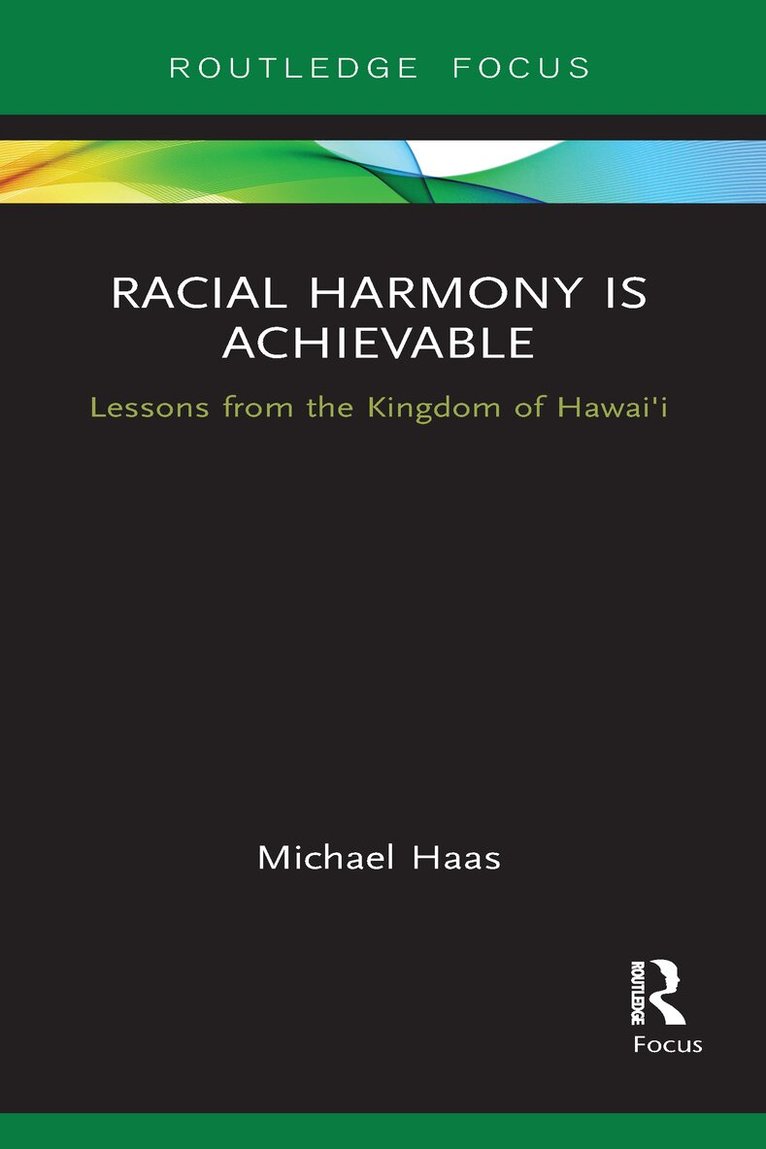
Racial Harmony Is Achievable
Lessons from the Kingdom of Hawai'i
Av Michael Haas
Häftad, 2021
386 kr
Lägg i varukorg
Racial and social relations can become harmonious and serene in every country of the world. Racism can be eliminated. The Kingdom of Hawaiʽi during the nineteenth century reveals a history of responsive politicians, economic progress, environmental preservation, and serene race relations because of …
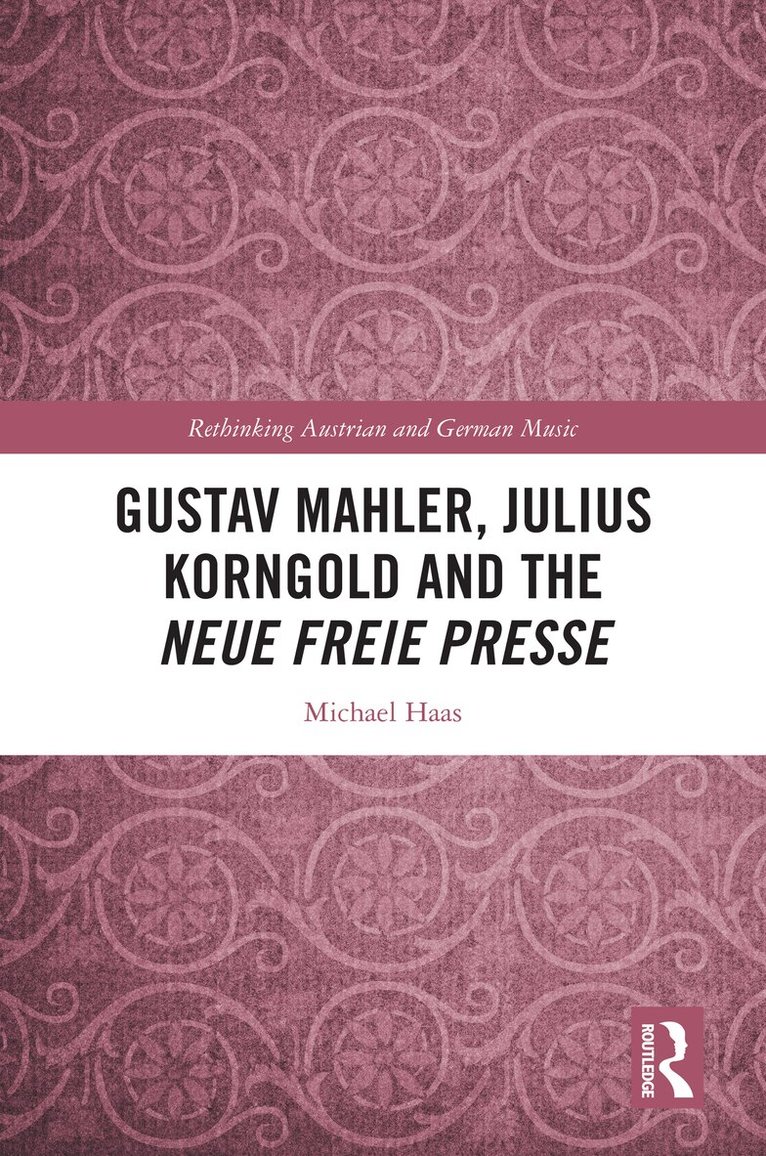
Gustav Mahler, Julius Korngold and the Neue Freie Presse
Av Michael Haas
Inbunden, 2025
2578 kr
Lägg i varukorg
Julius Korngold, critic at the highly influential newspaper Neue Freie Presse, was close to and supportive of Gustav Mahler and, for the first time, essays on the man and his music are made available in English. Those on his time at Vienna’s Imperial Opera are extensive and well informed.Both …
Gustav Mahler, Julius Korngold and the Neue Freie Presse
Av Michael Haas
Häftad, 2026
747 kr
Lägg i varukorg
Julius Korngold, critic at the highly influential newspaper Neue Freie Presse, was close to and supportive of Gustav Mahler and, for the first time, essays on the man and his music are made available in English. Those on his time at Vienna’s Imperial Opera are extensive and well informed.Both …
Beyond Polarized American Democracy
From Mass Society to Coups and Civil War
Av Michael Haas
Häftad, 2023
646 kr
Lägg i varukorg
Civil war in the United States is now a mainstream topic due to apparent signs of ongoing planning. This book reveals why in several ways. First, four major ideological drivers of possible conflict are identified. Next, ten arenas of ongoing nonviolent civil war are traced as increasingly for …
Beyond Polarized American Democracy
From Mass Society to Coups and Civil War
Av Michael Haas
Inbunden, 2023
2504 kr
Lägg i varukorg
Civil war in the United States is now a mainstream topic due to apparent signs of ongoing planning. This book reveals why in several ways. First, four major ideological drivers of possible conflict are identified. Next, ten arenas of ongoing nonviolent civil war are traced as increasingly for …
Gustav Mahler, Julius Korngold and the Neue Freie Presse
Av Michael Haas
E-bok, 2025
863 kr
Lägg i varukorg
Julius Korngold, critic at the highly influential newspaper Neue Freie Presse , was close to and supportive of Gustav Mahler and, for the first time, essays on the man and his music are made available in English. Those on his time at Vienna’s Imperial Opera are extensive and well informed. Both …
Gustav Mahler, Julius Korngold and the Neue Freie Presse
Av Michael Haas
E-bok, 2025
856 kr
Lägg i varukorg
Julius Korngold, critic at the highly influential newspaper Neue Freie Presse , was close to and supportive of Gustav Mahler and, for the first time, essays on the man and his music are made available in English. Those on his time at Vienna’s Imperial Opera are extensive and well informed. Both …
International Human Rights
A Comprehensive Introduction
Av Michael Haas
E-bok, 2013
1052 kr
Lägg i varukorg
This book provides a comprehensive introduction to international human rights -- international human rights law, why international human rights have increasingly risen to world prominence, what is being done about violations of human rights, and what might be done to further promote the cause of …