Michael J. Douma – författare
Visar alla böcker från författaren . Handla med fri frakt och snabb leverans.
7 produkter
7 produkter
E-bok
PDF, Engelska, 2025815 kr
Läs direkt efter köp
E-bok
Engelska, 2025815 kr
Läs direkt efter köp
Häftad, Engelska, 2026
451 kr
Skickas inom 7-10 vardagar
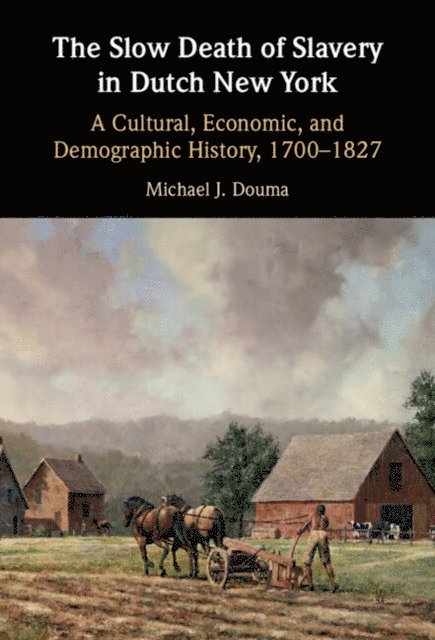
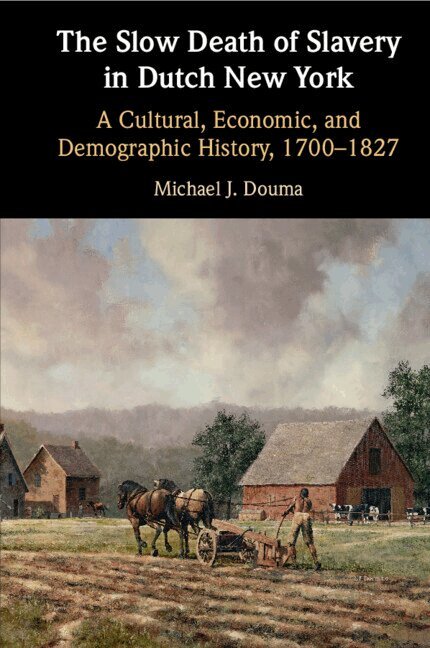
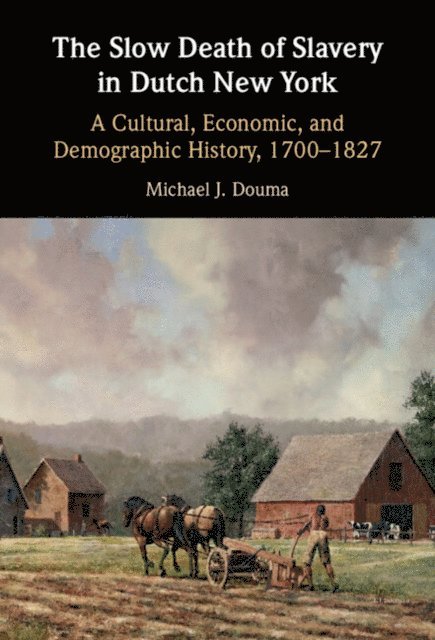
Original and deeply researched, this book provides a new interpretation of Dutch American slavery which challenges many of the traditional assumptions about slavery in New York. With an emphasis on demography and economics, Michael J. Douma shows that slavery in eighteenth-century New York was mostly rural, heavily Dutch, and generally profitable through the cultivation of wheat. Slavery in Dutch New York ultimately died a political death in the nineteenth century, while resistance from enslaved persons, and a gradual turn against slavery in society and in the courts, encouraged its destruction. This important study will reshape the historiography of slavery in the American North.
Inbunden, Engelska, 2025
675 kr
Skickas inom 7-10 vardagar
Original and deeply researched, this book provides a new interpretation of Dutch American slavery which challenges many of the traditional assumptions about slavery in New York. With an emphasis on demography and economics, Michael J. Douma shows that slavery in eighteenth-century New York was mostly rural, heavily Dutch, and generally profitable through the cultivation of wheat. Slavery in Dutch New York ultimately died a political death in the nineteenth century, while resistance from enslaved persons, and a gradual turn against slavery in society and in the courts, encouraged its destruction. This important study will reshape the historiography of slavery in the American North.
Inbunden, Engelska, 2017
1 315 kr
Skickas inom 10-15 vardagar
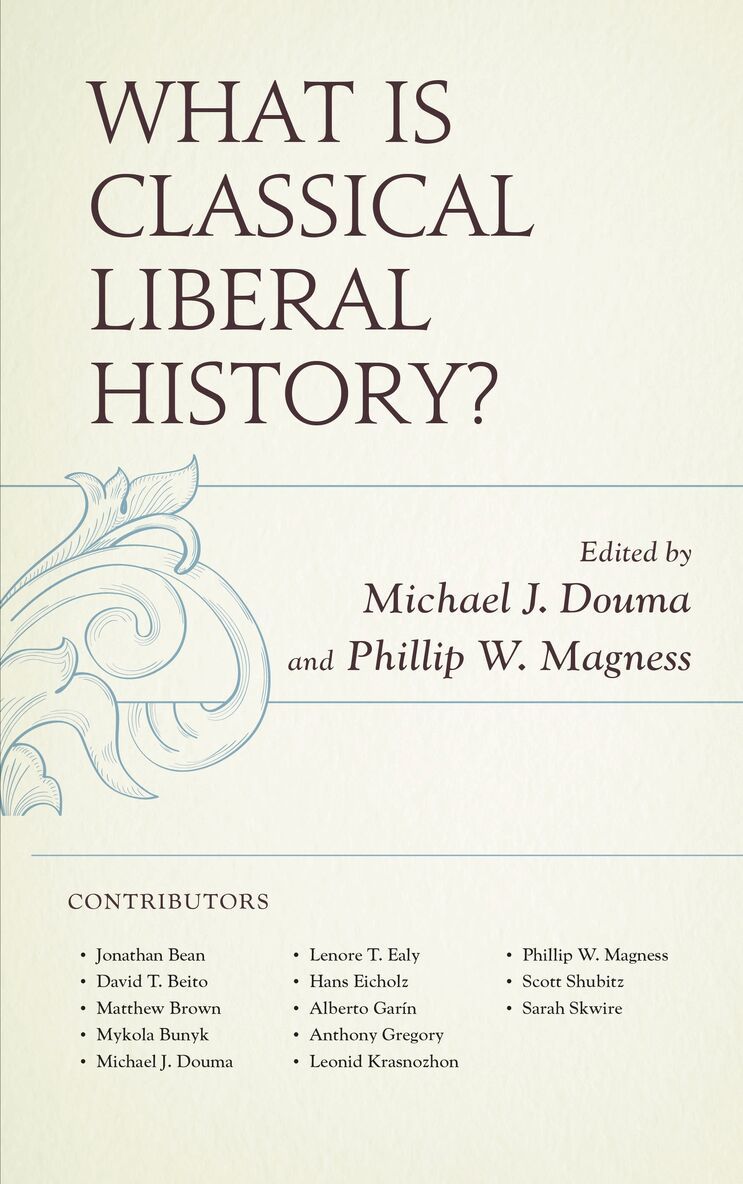
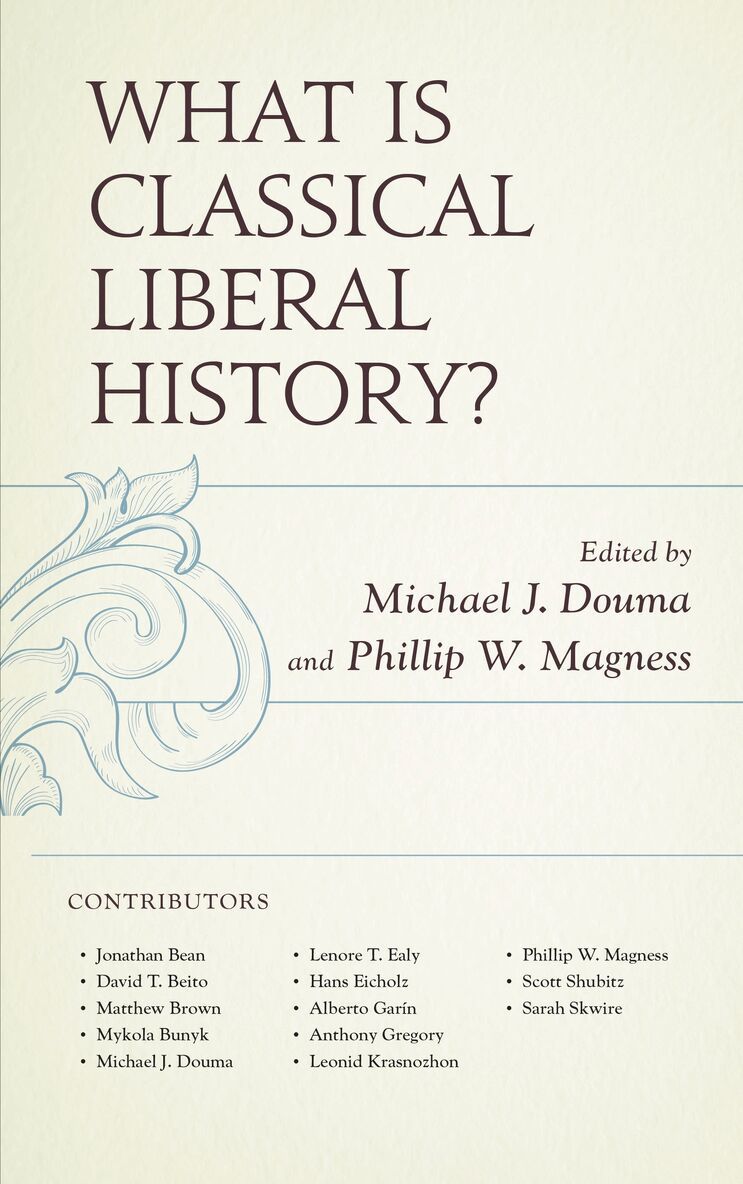
Historians working in the classical liberal tradition believe that individual decision-making and individual rights matter in the making of history. History written in the classical liberal tradition emerged largely in the nineteenth century, when the field of history was first professionalized in Europe and the Americas. Professional historical research was then imbued with liberal values, which included rigorous attention to the sources, historicist suspicion of an ultimate mover, an honest and dispassionate rational outlook, and humility towards what could be known. Above all, liberals wanted to chart the history of liberty, warn against threats to liberty, and defend it in an evolving political world. They believed history was real, and that it had lessons to teach, but that these lessons could not provide sufficient knowledge to predict the future or reorganize society around a central plan.This book demonstrates how the classical liberal tradition in historical writing persists to this day, but how it is often neglected and due for renewal. The book contrasts the classical liberal view on history with conservative, progressive, Marxist, and post-modern views.Each of the eleven chapters address a different historical topic, from the development of classical liberalism in nineteenth century America to the the history of civil liberties and civil rights that stemmed from this tradition. Authors give particular attention to the importance of social and economic analysis. Each contributor was chosen as an expert in their field to provide a historiographical overview of their subject, and to explain what the classical liberal contribution to this historiography has been and should be. Authors then provide guidance towards possible tools of analysis and related research topics that future historians working in the classical liberal tradition could take up.The authors wish to call upon other historians to recognize the important contributions to historical understanding that have come and can be provided by the insights of classical liberalism.
Häftad, Engelska, 2018
558 kr
Skickas inom 10-15 vardagar
Historians working in the classical liberal tradition believe that individual decision-making and individual rights matter in the making of history. History written in the classical liberal tradition emerged largely in the nineteenth century, when the field of history was first professionalized in Europe and the Americas. Professional historical research was then imbued with liberal values, which included rigorous attention to the sources, historicist suspicion of an ultimate mover, an honest and dispassionate rational outlook, and humility towards what could be known. Above all, liberals wanted to chart the history of liberty, warn against threats to liberty, and defend it in an evolving political world. They believed history was real, and that it had lessons to teach, but that these lessons could not provide sufficient knowledge to predict the future or reorganize society around a central plan.This book demonstrates how the classical liberal tradition in historical writing persists to this day, but how it is often neglected and due for renewal. The book contrasts the classical liberal view on history with conservative, progressive, Marxist, and post-modern views.Each of the eleven chapters address a different historical topic, from the development of classical liberalism in nineteenth century America to the the history of civil liberties and civil rights that stemmed from this tradition. Authors give particular attention to the importance of social and economic analysis. Each contributor was chosen as an expert in their field to provide a historiographical overview of their subject, and to explain what the classical liberal contribution to this historiography has been and should be. Authors then provide guidance towards possible tools of analysis and related research topics that future historians working in the classical liberal tradition could take up.The authors wish to call upon other historians to recognize the important contributions to historical understanding that have come and can be provided by the insights of classical liberalism.
Häftad, Engelska, 2020
196 kr
Skickas inom 5-8 vardagar