Michael J. Kiskis - Böcker
Visar alla böcker från författaren Michael J. Kiskis. Handla med fri frakt och snabb leverans.
4 produkter
4 produkter
205 kr
Skickas inom 10-15 vardagar
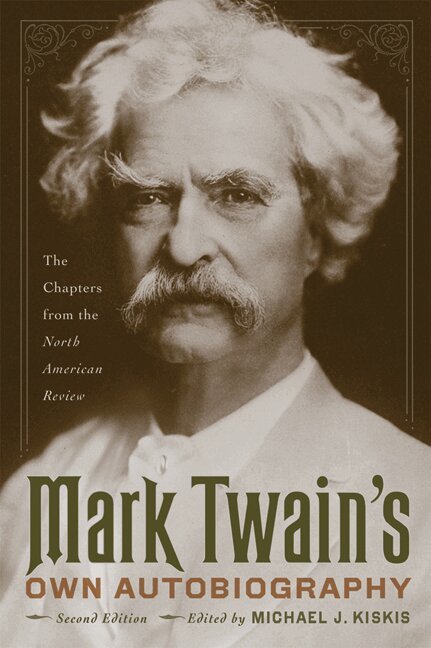
Mark Twain's ""Own Autobiography"" stands as the last of Twain's great yarns. Here he tells his story in his own way, freely expressing his joys and sorrows, his affections and hatreds, his rages and reverence - ending, as always, tongue-in-cheek: 'Now, then, that is the tale. Some of it is true'. More than the story of a literary career, this memoir is anchored in the writer's relation to his family - what they meant to him as a husband, father, and artist. It also brims with many of Twain's best comic anecdotes about his rambunctious boyhood in Hannibal, his misadventures in the Nevada territory, his notorious Whittier birthday speech, his travels abroad, and more. Twain published twenty-five 'Chapters from ""My Autobiography""' in the ""North American Review"" in 1906 and 1907. 'I intend that this autobiography...shall be read and admired a good many centuries because of its form and method - form and method whereby the past and the present are constantly brought face to face, resulting in contrasts which newly fire up the interest all along, like contact of flint with steel.' For this second edition, Michael Kiskis' introduction references a wealth of critical work done on Twain since 1990. He also adds a discussion of literary domesticity, locating the autobiography within the history of Twain's literary work and within Twain's own understanding and experience of domestic concerns.

289 kr
Skickas inom 10-15 vardagar
This collection of interviews with gay activists and artists is like going to dinner with people you’d love to know but don’t, and Phil Gambone is the perfect stand-in for the reader: impressively prepared, sympathetic, and smart.—Andrew Holleran, author of Grief: A Novel For two years, Philip Gambone traveled the length and breadth of the United States, talking candidly with LGBTQ people about their lives. In addition to interviews from David Sedaris, George Takei, Barney Frank, and Tammy Baldwin, Travels in a Gay Nation brings us lesser-known voices—a retired Naval officer, a transgender scholar and ""drag king,"" a Princeton philosopher, two opera sopranos who happen to be lovers, an indie rock musician, the founder of a gay frat house, and a pair of Vermont garden designers. In this age when contemporary gay America is still coming under attack, Gambone captures the humanity of each individual. For some, their identity as a sexual minority is crucial to their life's work; for others, it has been less so, perhaps even irrelevant. But, whether splashy or quiet, center-stage or behind the scenes, Gambone's subjects have managed—despite facing ignorance, fear, hatred, intolerance, injustice, violence, ridicule, or just plain indifference—to construct passionate, inspiring lives. ""By asking good questions and really listening, Philip Gambone opens an illuminating window into the minds, hearts, and guts of a fabulous array of extraordinary Americans. At this critical time in America's decades-long movement toward LGBTQ equality, you really shouldn’t miss this view.""—Will Fellows, author of Farm Boys: Lives of Gay Men from the Rural Midwest
507 kr
Skickas inom 7-10 vardagar
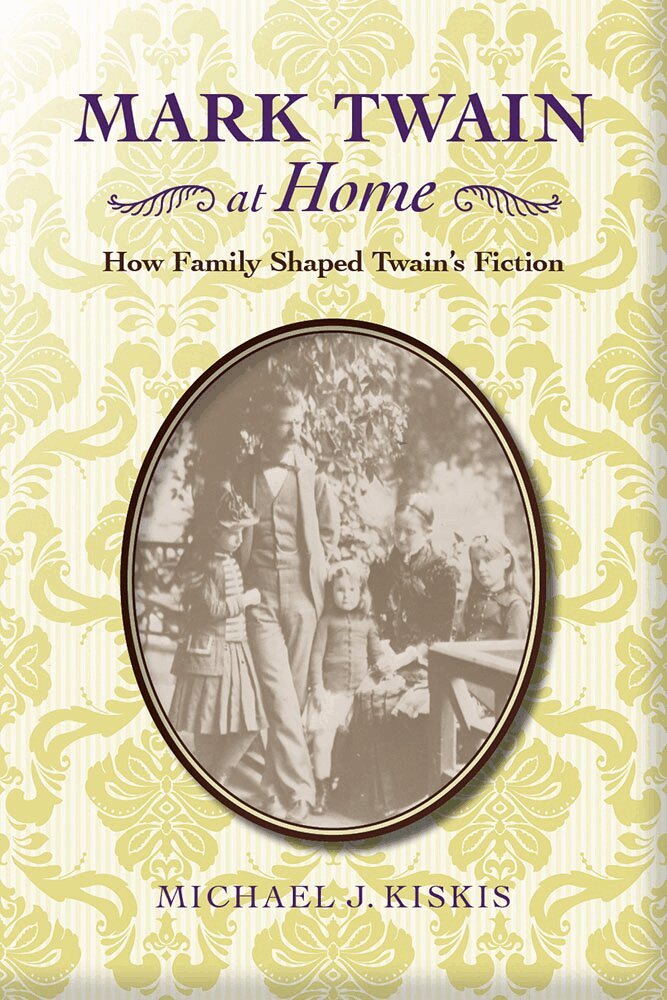
Twain scholar Michael Kiskis opens this fascinating new exploration of Twain with the observation that most readers have no idea that Samuel Clemens was the father of four and that he lived through the deaths of three of his children as well as his wife. In Mark Twain at Home: How Family Shaped Twain’s Fiction, Kiskis persuasively argues that not only was Mark Twain not, as many believe, “antidomestic,” but rather the home and family were the muse and core message of his writing.Mark Twain was the child of a loveless marriage and a homelife over which hovered the constant specter of violence. Informed by his difficult childhood, orthodox readings of The Adventures of Tom Sawyer and Adventures of Huckleberry Finn frame these canonical literary figures as nostalgic—autobiographical fables of heroic individualists slipping the bonds of domestic life.Kiskis, however, presents a wealth of biographical details about Samuel Clemens and his family that reinterpret Twain’s work as a robust affirmation of domestic spheres of life. Among Kiskis’s themes are that, as the nineteenth century witnessed high rates of orphanhood and childhood mortality, Clemens’s work often depicted unmoored children seeking not escape from home but rather seeking the redemption and safety available only in familial structures. Similarly, Mark Twain at Home demonstrates that, following the birth of his first daughter, Twain began to exhibit in his writing an anxiety with social ills, notably those that affected children.In vigorous and accessible descriptions of Twain’s life as it became reflected in his prose, Kiskis offers a compelling and fresh understanding of this work of this iconic American author.
297 kr
Skickas inom 7-10 vardagar
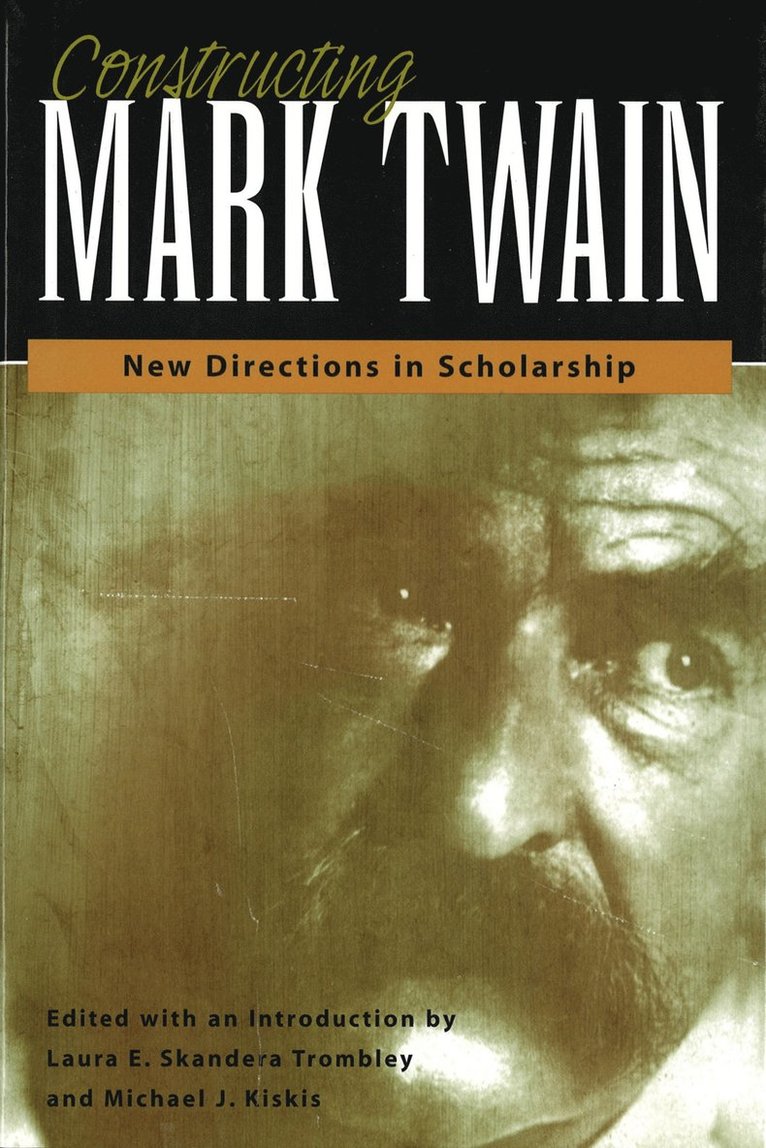
The thirteen essays in this collection combine to offer a complex and deeply nuanced picture of Samuel Clemens. With the purpose of straying from the usual notions of Clemens (most notably the Clemens/Twain split that has ruled Twain scholarship for over thirty years), the editors have assembled contributions from a wide range of Twain scholars. As a whole, the collection argues that it is time we approach Clemens not as a shadow behind the literary persona but as a complex and intricate creator of stories, a creator who is deeply embedded in the political events of his time and who used a mix of literary, social, and personal experience to fuel the movements of his pen.The essays illuminate Clemens's connections with people and events not usually given the spotlight and introduce us to Clemens as a man deeply embroiled in the process of making literary gold out of everyday experiences. From Clemens's wonderings on race and identity to his looking to family and domesticity as defining experiences, from musings on the language that Clemens used so effectively to consideration of the images and processes of composition, these essays challenge long-held notions of why Clemens was so successful and so influential a writer. While that search itself is not new, the varied approaches within this collection highlight markedly inventive ways of reading the life and work of Samuel Clemens.