Michael J. Puri – författare
Visar alla böcker från författaren Michael J. Puri. Handla med fri frakt och snabb leverans.
6 produkter
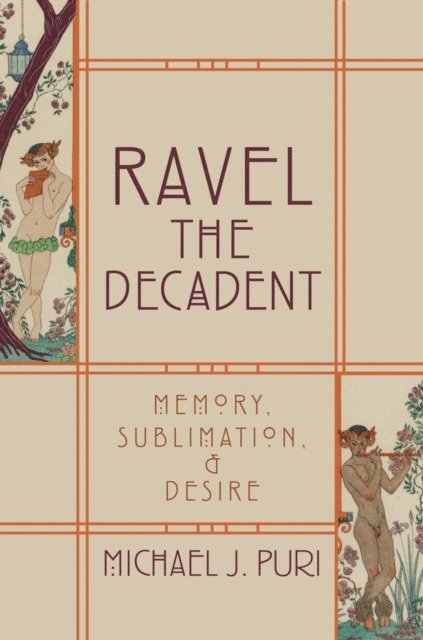
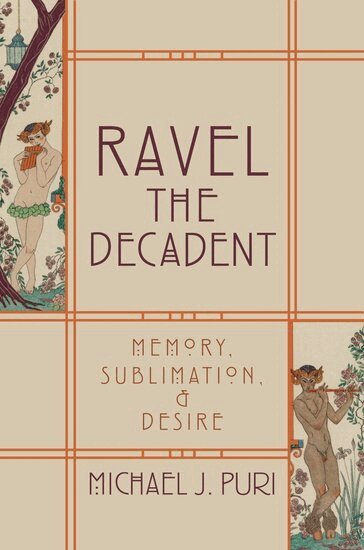
Ravel the Decadent
Memory, Sublimation, and Desire
E-bok, 2012
548 kr
Lägg i varukorg
The music of Maurice Ravel (1875-1937), beloved by musicians and audiences since its debut, has been a difficult topic for scholars. The traditional stylistic categories of impressionism, symbolism, and neoclassicism, while relevant, have offered too little purchase on this fascinating but …
Musical Meaning and Interpretation
Perspectives, Reflections, Critique
Av Michael J. Puri, Jason Geary m. fl.
Inbunden, 2025
1270 kr
Lägg i varukorg
Revived with new intensity at the end of the twentieth century, questions of meaning and interpretation in music continue to generate widespread interest and give rise to new research directions and methods. This collection of essays brings together leading musicologists and music theorists working …
Musical Meaning and Interpretation
Perspectives, Reflections, Critique
Av Seth Monahan, Jason Geary m. fl.
E-bok, 2025
1354 kr
Lägg i varukorg
Revived with new intensity at the end of the twentieth century, questions of meaning and interpretation in music continue to generate widespread interest and give rise to new research directions and methods. This collection of essays brings together leading musicologists and music theorists working …
Musical Meaning and Interpretation
Perspectives, Reflections, Critique
Av Seth Monahan, Jason Geary m. fl.
E-bok, 2025
1354 kr
Lägg i varukorg
Revived with new intensity at the end of the twentieth century, questions of meaning and interpretation in music continue to generate widespread interest and give rise to new research directions and methods. This collection of essays brings together leading musicologists and music theorists working …
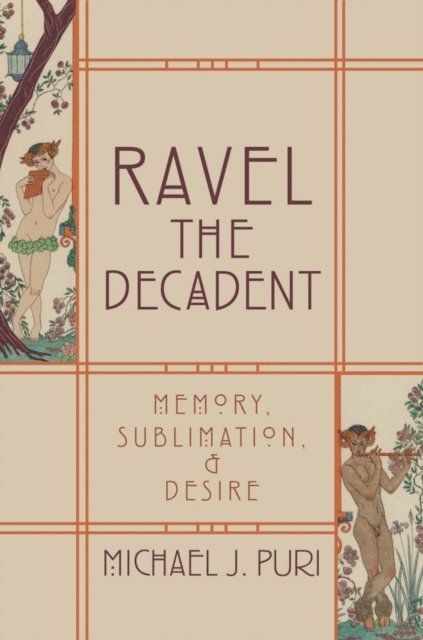
Ravel the Decadent
Memory, Sublimation, and Desire
Inbunden, 2012
860 kr
Lägg i varukorg
The music of Maurice Ravel (1875-1937), beloved by musicians and audiences since its debut, has always proven itself a difficult topic for scholars. The traditional stylistic categories of impressionism, symbolism, and neoclassicism, while relevant, have offered too little purchase on his …
Ravel the Decadent
Memory, Sublimation, and Desire
E-bok, 2012
548 kr
Lägg i varukorg
The music of Maurice Ravel (1875-1937), beloved by musicians and audiences since its debut, has been a difficult topic for scholars. The traditional stylistic categories of impressionism, symbolism, and neoclassicism, while relevant, have offered too little purchase on this fascinating but …