Michael K. Pugsley - Böcker
Visar alla böcker från författaren Michael K. Pugsley. Handla med fri frakt och snabb leverans.
5 produkter
5 produkter
1 096 kr
Skickas inom 10-15 vardagar
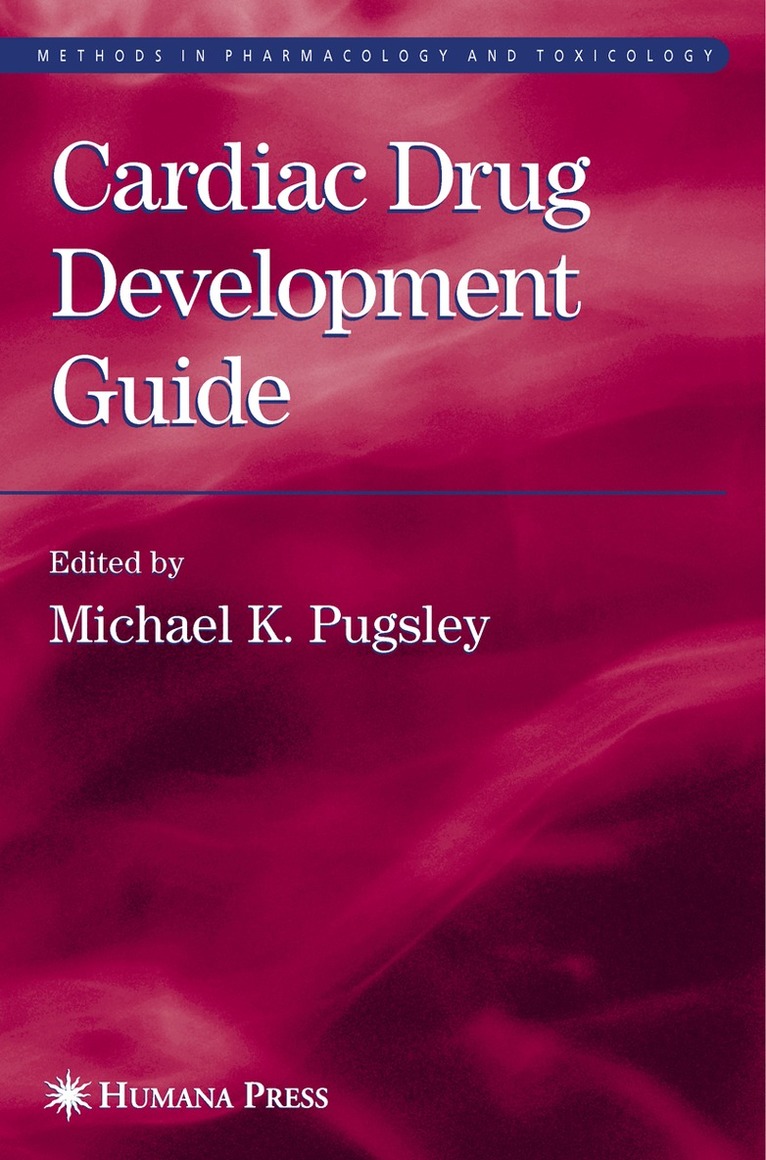
Cardiac Drug Development Guide outlines, in detail, the therapeutics of cardiac medicine currently at the cutting edge of scientific research and development around the world. This volume integrates basic and clinical cardiac pharmacology by c- bining, for the first time, both classical and molecular aspects of therapeutic drug development. The chapters comprise a broad spectrum of therapeutic areas and hence involve a comprehensive discussion of molecular, biochemical, and electrophy- ological concepts based on years of in vitro as well as in vivo pharmacological st- ies. In addition, the latter part of the book includes comprehensive clinical cardiac chapters that describe important topics in molecular medicine. These chapters also discuss current clinical therapeutic trends in medicine and provide an evaluation of the efficacy of novel drugs in these areas. Cardiac Drug Development Guide has many distinctive and outstanding features that set it apart from other cardiac pharmacology books. This book introduces topics in an easily understandable format for researchers in many varying disciplines by integrating and thereby simplifying concepts not usually discussed across a broad range of cardiac disciplines and in a highly technical field. Each chapter not only introduces and describes the physiology, pharmacology, and pathophysiology of the disease, but also overviews the clinical implications of drug development, what stages these areas are currently in, and also reviews some of the methodologies involved in drug discovery and development. As a result, this book provides a comprehensive overview of the most advanced procedures in cardiac pharmacology today.
1 531 kr
Skickas inom 10-15 vardagar
A comprehensive survey of the latest therapeutic drug discoveries in cardiac and cardiovascular medicine and of the most recent breakthroughs in molecular cardiology. The authors describe the most advanced procedures in cardiac pharmacology today, including in vivo and in vitro whole animal studies, the electrophysiological methods used to study in pacemaker cells, and the application of biochemical principles and technologies to novel therapeutic agents. Also discussed are the methods used to express the ion channels involved in cardiovascular pharmacology, adenoviral vector delivery for cardiovascular gene therapy, pharmacometrics in cardiovascular drug development, gender differences in heart failure, and angiogenesis therapies for coronary heart disease.
14 131 kr
Skickas inom 10-15 vardagar
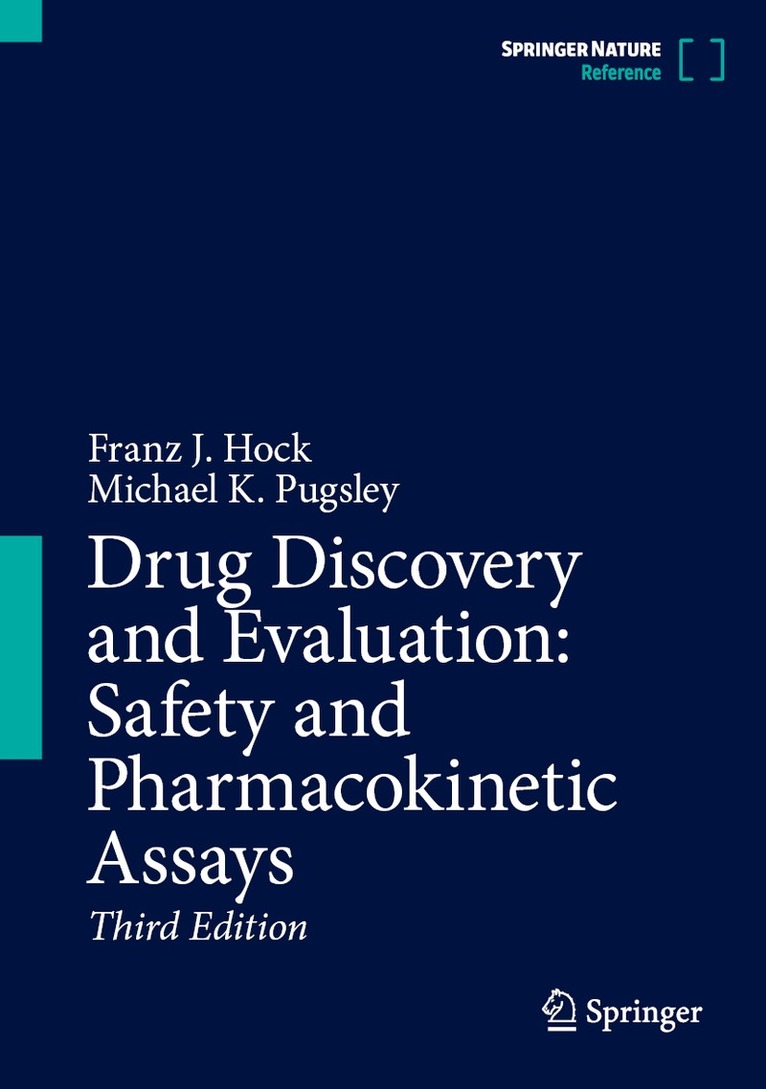
Many aspects of drug safety have become an outstanding and even persistent issue and may occur during the process of both drug discovery and development. Until 15 years ago, drug discovery and evaluation was primarily a sequential process starting with the selection of the most pharmacologically active compound from a series of newly synthesized small molecule chemical series by means of distinctive pharmacological assays. Safety aspects were addressed by evaluation of the selected compound at high doses in a series of specific studies directed at indications other than the intended indication of the new compound. These tests are then followed by pharmacokinetic studies, which are primarily conducted to confirm whether the selected compound possesses a suitable half-life for sufficient exposure and efficacy and, whether it has the desired properties specificity to the intended route of administration. Safety aspects relied predominantly on the conduct of single and repeat toxicologydose studies, which inform changes in organ structure rather than organ function. Both toxicological and pharmacokinetic studies are adapted to the progress of studies in clinical pharmacology and clinical trials. The new edition of this well and broadly accepted reference work contains several innovative and distinguished chapters.This "sequential" strategy has been abandoned with this new version of the book for several reasons:- Of the possible multitude of negative effects that novel drugs may impart on organ function, e.g. ventricular tachy-arrhythmia, many are detected too late in non-clinical studies to inform clinicians. On the other hand, negative findings in chronic toxicity studies in animals may turn out to be irrelevant for human beings.- New scientific approaches, e.g. high-throughput screening, human pluripotent stem cells, transgenic animals, knock-out animals, in silico models, pharmaco-genomics and pharmaco-proteomics, as well as Artificial Intelligence (AI) methods offered new possibilities.- There are several examples, that show that the "druggability" of compounds was considerably underestimated when the probability of success of a new project was assessed.The success rate in the pharmaceutical industry and the introduction of new chemical entities to the market per year dropped dramatically, whereas the development time for a new compound increased, sometimes exceeding the patent protection. Research and development scientists, involving the following changes, therefore adopted a change of strategy:- Parallel instead of sequential involvement of the various disciplines (multidimensional compound optimization).- The term "Safety Pharmacology" was coined. The International Conference on Harmonization (ICH) founded a Safety Pharmacology Working Group and the Safety Pharmacology Society (SPS) was launched. The discipline provided for evaluation, development and validation of a multitude of safety tests outlined in the 'Core Battery of Studies'.- Characterizing the exposure profile of a drug by conducting pharmacokinetic studies that evaluates the absorption, distribution, metabolism and excretion should to be investigated at an early stage of development as results contribute to the selection of a compound for further development.Advancements in Toxicology were achieved by the introduction of new methods, e.g., in silico methods, genetic toxicology, computational toxicology and AI.The book is a landmark in the continuously changing world of drug research and developments. As such, it is essential reading for many groups: not only for all students of pharmacology and toxicology but also for industry scientists and physicians, especially those involved in clinical trials of drugs, and for pharmacists who must know the safety requirements of drugs.The book is essential for scientists and managers in the pharmaceutical industry who are involved in drug discovery, drug development and decision making in the development process.In particular, the book will be of use to government institutions and committees working on official guidelines for drug evaluation worldwide.
2 333 kr
Skickas inom 10-15 vardagar
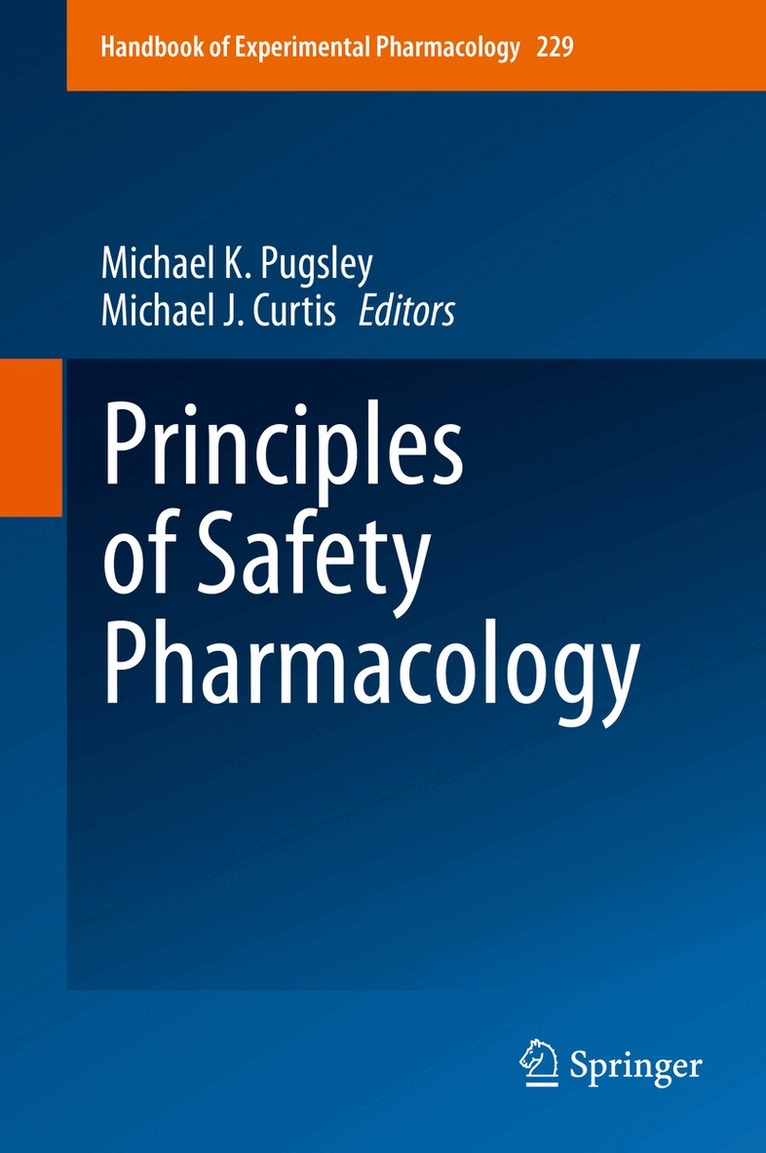
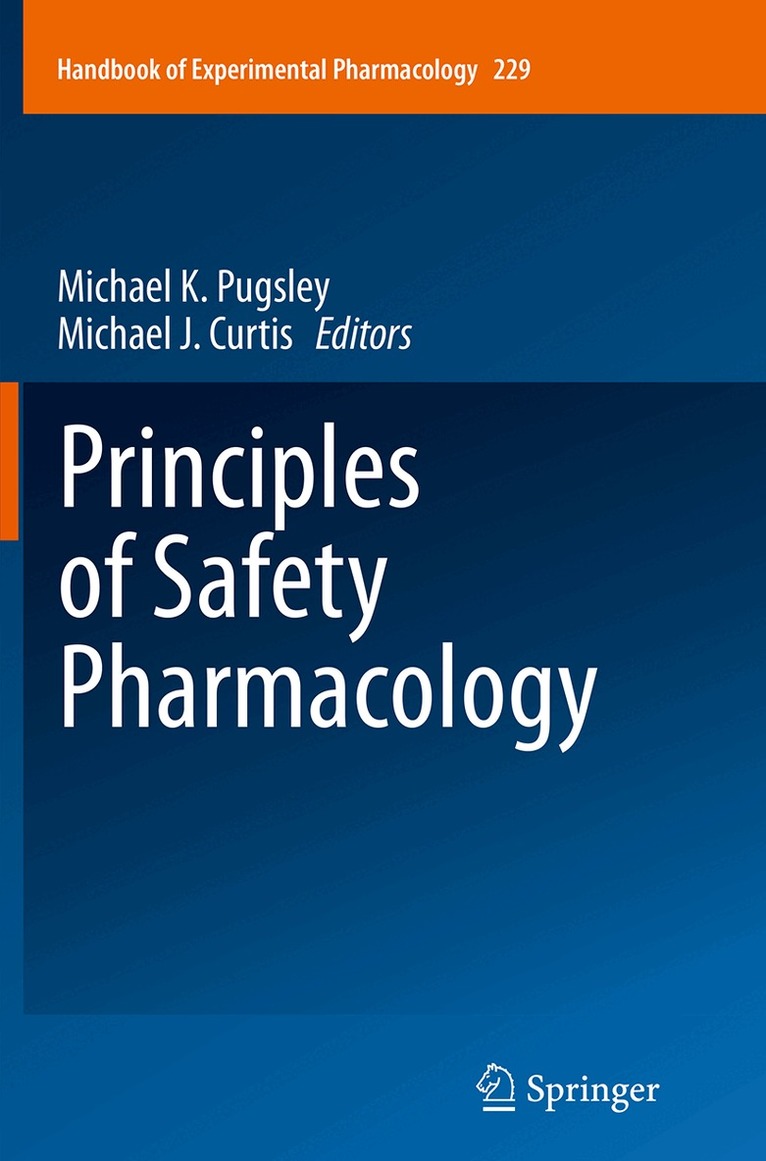
This book illustrates, in a comprehensive manner, the most current areas of importance to Safety Pharmacology, a burgeoning unique pharmacological discipline with important ties to academia, industry and regulatory authorities. It provides readers with a definitive collection of topics containing essential information on the latest industry guidelines and overviews current and breakthrough topics in both functional and molecular pharmacology. An additional novelty of the book is that it constitutes academic, pharmaceutical and biotechnology perspectives for Safety Pharmacology issues. Each chapter is written by an expert in the area and includes not only a fundamental background regarding the topic but also detailed descriptions of currently accepted, validated models and methods as well as innovative methodologies used in drug discovery.
2 402 kr
Skickas inom 10-15 vardagar
This book illustrates, in a comprehensive manner, the most current areas of importance to Safety Pharmacology, a burgeoning unique pharmacological discipline with important ties to academia, industry and regulatory authorities. It provides readers with a definitive collection of topics containing essential information on the latest industry guidelines and overviews current and breakthrough topics in both functional and molecular pharmacology. An additional novelty of the book is that it constitutes academic, pharmaceutical and biotechnology perspectives for Safety Pharmacology issues. Each chapter is written by an expert in the area and includes not only a fundamental background regarding the topic but also detailed descriptions of currently accepted, validated models and methods as well as innovative methodologies used in drug discovery.