Michael L. Tushman – författare
Visar alla böcker från författaren Michael L. Tushman. Handla med fri frakt och snabb leverans.
5 produkter
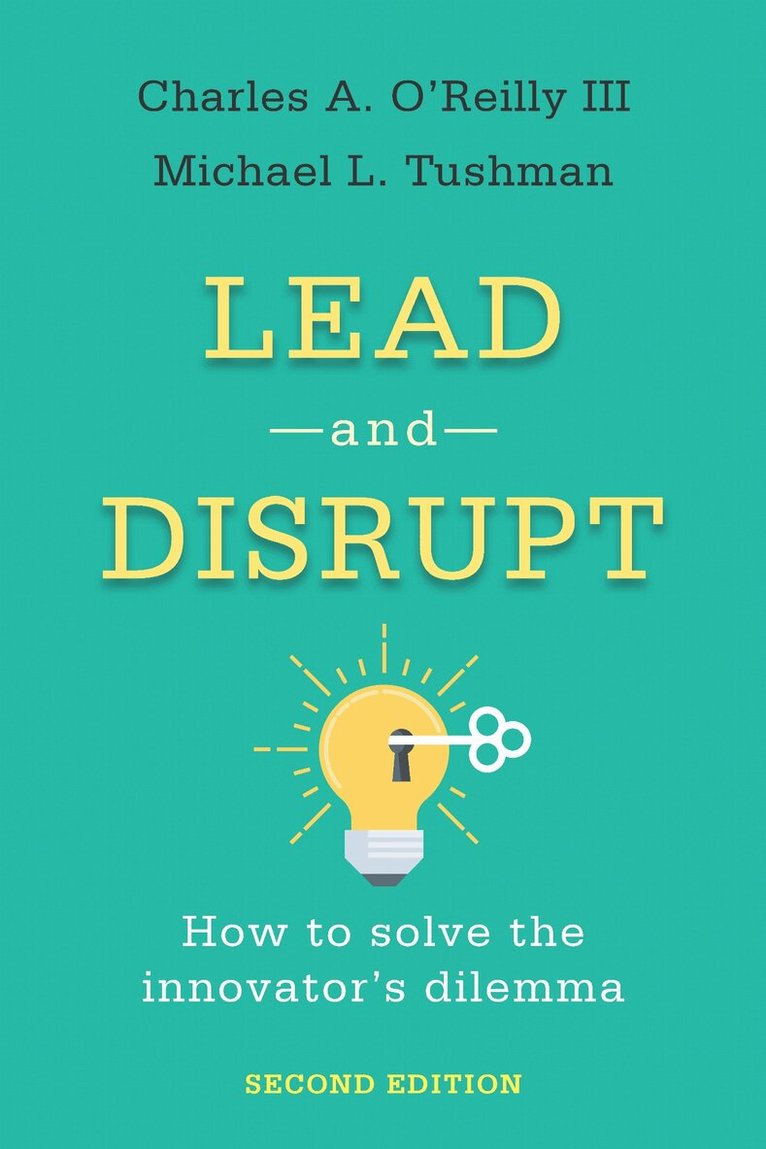
Lead and Disrupt
How to Solve the Innovator's Dilemma, Second Edition
Av Charles A. O’Reilly, Michael L. Tushman
Inbunden, 2021
370 kr
Lägg i varukorg
Fully revised, this second edition offers a proven strategy for using ambidexterity to build discontinuous growth for mature organizations, and the flexibility to adapt in fast-changing environments.Why do successful firms find it so difficult to adapt in the face of change – to innovate? In the …
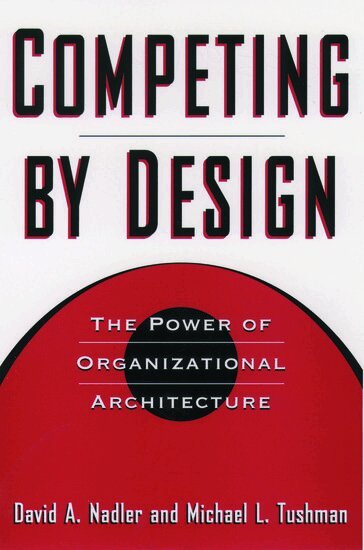
Competing by Design
The Power of Organizational Architecture
Av David A. Nadler, Michael L. Tushman
Inbunden, 1997
978 kr
Lägg i varukorg
If the defining goal of modern-day business can be isolated to just one item, it would be the search for competitive advantage. And, as everyone in business knows, it's a lot harder than it used to be. On the one hand, competition is more intense than ever--technological innovation, consumer …
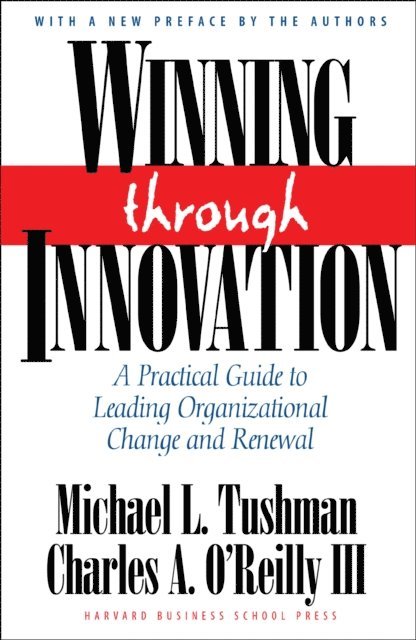
Winning Through Innovation
A Practical Guide to Leading Organizational Change and Renewal
Av Charles A. O'Reilly, Michael L. Tushman
E-bok, 2006
546 kr
Lägg i varukorg
Tushman and O''Reilly examine how leadership, culture, and organizational architectures can be both important facilitators of innovation and, not uncommonly, formidable obstacles. They demonstrate how to clarify today''s critical managerial problems, use culture and commitment to promote innovation …
Lead and Disrupt
How to Solve the Innovator's Dilemma, Second Edition
Av Charles A. O’Reilly, Michael L. Tushman
E-bok, 2021
428 kr
Lägg i varukorg
Fully revised, this second edition offers a proven strategy for using ambidexterity to build discontinuous growth for mature organizations, and the flexibility to adapt in fast-changing environments.Why do successful firms find it so difficult to adapt in the face of change – to innovate? In the …
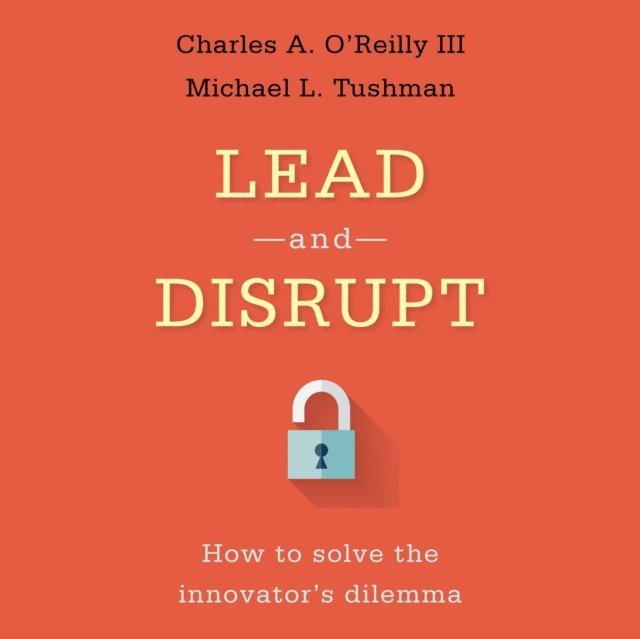
Lead and Disrupt
How to Solve the Innovator''s Dilemma
Av Michael L. Tushman, Charles A. O'Reilly III
Ljudbok, 2016
512 kr
Lägg i varukorg
In the past few years, a number of well-known firms have failed; think of Blockbuster, Kodak, or RadioShack. When we read about their demise, it often seems inevitable—a natural part of "creative destruction." But closer examination reveals a disturbing truth: Companies large and small are …