Michael Lundblad - Böcker
Visar alla böcker från författaren Michael Lundblad. Handla med fri frakt och snabb leverans.
7 produkter
7 produkter
498 kr
Skickas inom 5-8 vardagar
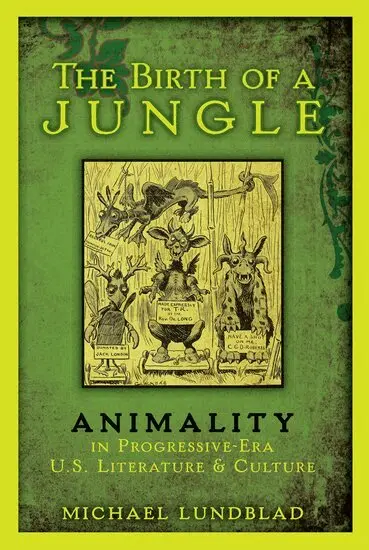
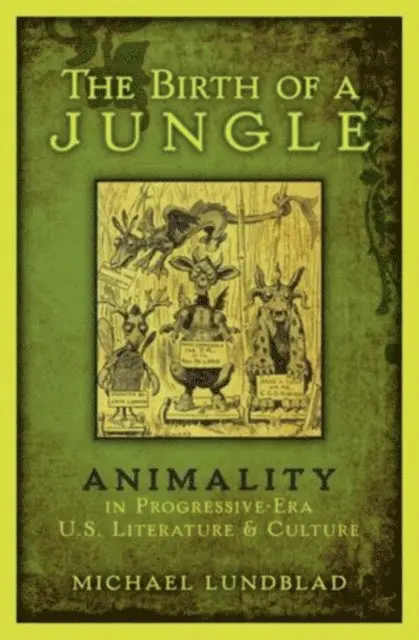
Illustrating a new methodology identified as animality studies, The Birth of a Jungle explores animality at the turn of the twentieth century in the U.S.-a moment when shifts in what it meant to be both human and animal produced new ways of thinking about various human behaviors, including homosexuality, labor exploitation, and the lynching of black men. Throughout the study, Michael Lundblad explores what he identifies as the discourse of the jungle: Darwinist-Freudian constructions of human behavior that could be explained by animal instincts that were supposedly naturally violent in the name of survival and heterosexual in the name of reproduction. These new formulations were often contested rather than reinforced, however, in Progressive-Era literary and cultural texts. The Birth of a Jungle ultimately reveals the significance of animality in relation to the history of sexuality, literary naturalism, and critical race studies, while highlighting how the discourse of the jungle remains a disturbing yet powerful presence today.
1 006 kr
Kommande
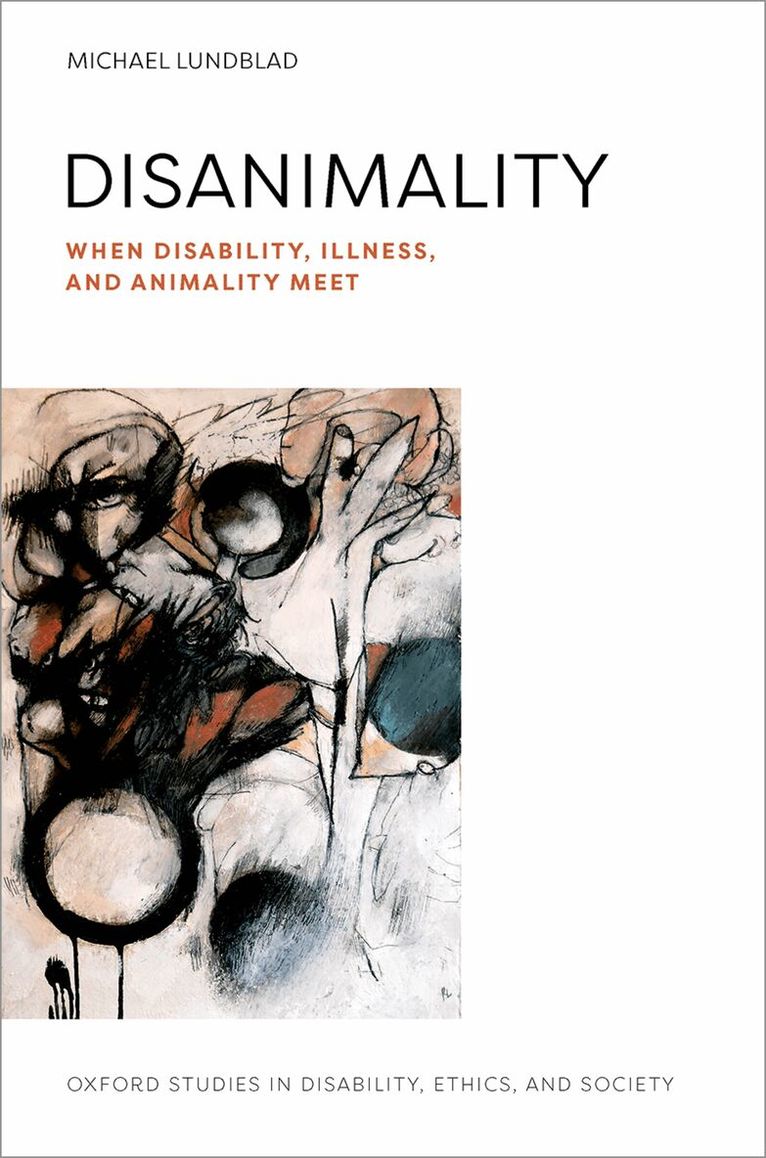
If you are an advocate for people with disabilities, should you also be vegan? How does your position on assisted suicide relate to how you think about euthanizing pets? Recent work in disability studies has called for greater engagement with animal studies, but disability activists and scholars have long been uncomfortable with comparisons between animals and people with disabilities or chronic and terminal illnesses. The long and problematic history of dehumanizing and animalizing disabled people has often led to the need to reclaim their humanity and basic human rights. What, then, should be the relationship between disability and animal rights? Disanimality reveals how certain forms of animal advocacy can lead to greater discomfort for disability activists, such as universalist calls for veganism and abolitionist animal rights. The result can be what Lundblad calls disanimality, a feeling of discomfort which can be produced when overly simplistic comparisons are made between animals and people with disabilities. Disanimality argues instead for staying with the trouble of historically and culturally situated analysis, foregrounding posthumanist approaches to both animal and disability studies in relation to contemporary novels, films, and memoirs. Closer attention to the ways that disability, illness, and animality meet can lead not only to new theoretical tools and concepts, but also better potential for coalitions between advocacy movements.
367 kr
Kommande
If you are an advocate for people with disabilities, should you also be vegan? How does your position on assisted suicide relate to how you think about euthanizing pets? Recent work in disability studies has called for greater engagement with animal studies, but disability activists and scholars have long been uncomfortable with comparisons between animals and people with disabilities or chronic and terminal illnesses. The long and problematic history of dehumanizing and animalizing disabled people has often led to the need to reclaim their humanity and basic human rights. What, then, should be the relationship between disability and animal rights? Disanimality reveals how certain forms of animal advocacy can lead to greater discomfort for disability activists, such as universalist calls for veganism and abolitionist animal rights. The result can be what Lundblad calls disanimality, a feeling of discomfort which can be produced when overly simplistic comparisons are made between animals and people with disabilities. Disanimality argues instead for staying with the trouble of historically and culturally situated analysis, foregrounding posthumanist approaches to both animal and disability studies in relation to contemporary novels, films, and memoirs. Closer attention to the ways that disability, illness, and animality meet can lead not only to new theoretical tools and concepts, but also better potential for coalitions between advocacy movements.
The Birth of a Jungle
Animality in Progressive-Era U.S. Literature and Culture
Inbunden, Engelska, 2013
1 299 kr
Skickas inom 5-8 vardagar
Exemplifying a new methodology identified as'animality studies' that focuses on constructions of animality at specific historical and cultural moments, without the explicit emphasis on animal advocacy that is often found in animal studies, this book explores animality at the turn of the twentieth century in the United States. At that moment, shifts in what it meant to be both 'human' and 'animal' became crucial in terms of producing new ways of thinking about a wide range of human behaviors, including homosexuality, labor exploitation, and the lynching of black men. The discourse of 'the jungle' was born at the confluence of Darwin and Freud, once human behavior could be explained, supposedly, by animal instincts that were naturally violent in the name of survival and heterosexual in the name of reproduction. Literary and cultural texts at the turn of the twentieth century produced new ways of thinking about the 'beast within' shifting away from a Protestant Christian formulation of a devilish inner beast that was sinful and violent. But the central argument here is that Darwinist-Freudian formulations of the human animal, despite reigning critical interpretations, were often contested rather than reinforced by writers such as Jack London, Henry James, Frank Norris, Upton Sinclair, Edgar Rice Burroughs, and William James, as well as cultural events such as a circus elephant publicly electrocuted at Coney Island, an African man on display in the Monkey House of the Bronx Zoo, and the Scopes "Monkey Trial." Ultimately, this book reveals not only new ways of thinking about familiar texts, but also the significance of the question of the animal in relation to fields such as the history of sexuality, studies of literary naturalism, and critical race studies within American literary and cultural studies. The book reveals how the figure of the animal evolved in U.S. literature and culture at the turn of the century, particularly through the birth of the jungle: a discourse that continues to enable enduring justifications of homophobia, economic exploitation, and racism in the United States and beyond.
1 107 kr
Skickas inom 7-10 vardagar
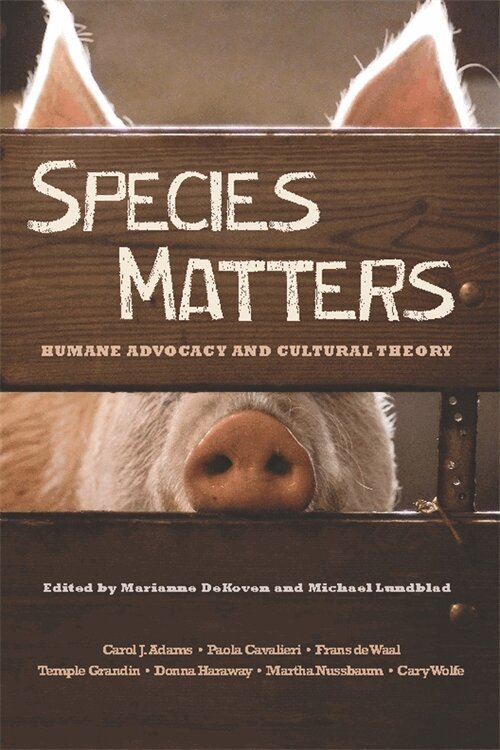
Why has the academy struggled to link advocacy for animals to advocacy for various human groups? Within cultural studies, in which advocacy can take the form of a theoretical intervention, scholars have resisted arguments that add "species" to race, class, gender, sexuality, disability, and other human-identity categories as a site for critical analysis. Species Matters considers whether cultural studies should pay more attention to animal advocacy and whether, in turn, animal studies should pay more attention to questions raised by cultural theory. The contributors to this volume explore these issues particularly in relation to the "humane" treatment of animals and various human groups and the implications, both theoretical and practical, of blurring the distinction between "the human" and "the animal." They address important questions raised by the history of representing humans as the only animal capable of acting humanely and provide a framework for reconsidering the nature of humane discourse, whether in theory, literary and cultural texts, or current advocacy movements outside of the academy.
274 kr
Skickas inom 7-10 vardagar
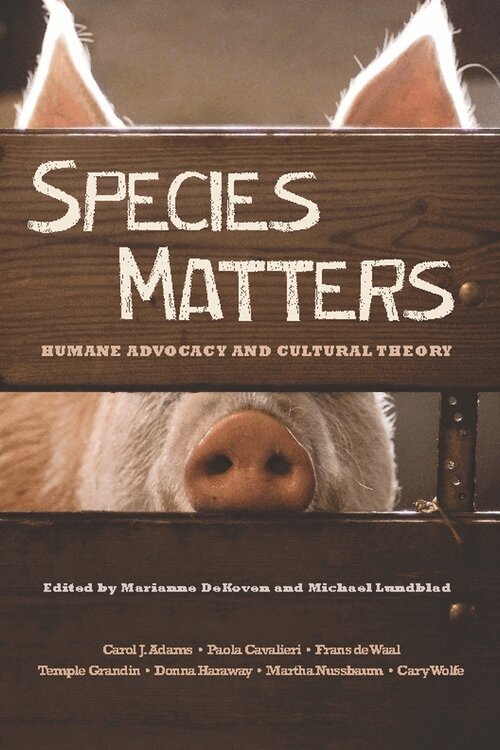
Why has the academy struggled to link advocacy for animals to advocacy for various human groups? Within cultural studies, in which advocacy can take the form of a theoretical intervention, scholars have resisted arguments that add "species" to race, class, gender, sexuality, disability, and other human-identity categories as a site for critical analysis. Species Matters considers whether cultural studies should pay more attention to animal advocacy and whether, in turn, animal studies should pay more attention to questions raised by cultural theory. The contributors to this volume explore these issues particularly in relation to the "humane" treatment of animals and various human groups and the implications, both theoretical and practical, of blurring the distinction between "the human" and "the animal." They address important questions raised by the history of representing humans as the only animal capable of acting humanely and provide a framework for reconsidering the nature of humane discourse, whether in theory, literary and cultural texts, or current advocacy movements outside of the academy.
2 329 kr
Skickas inom 3-6 vardagar
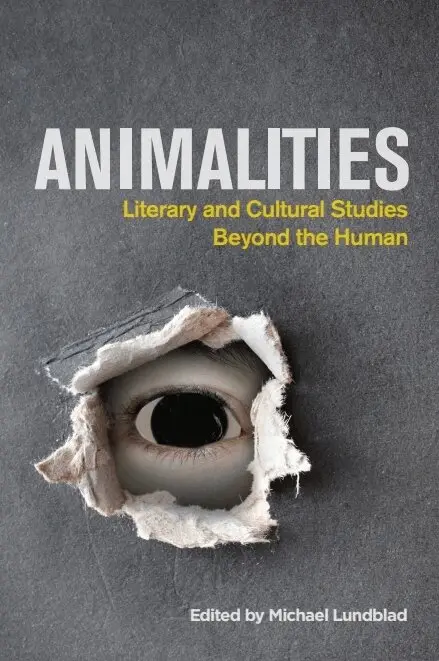
New and cutting-edge work in animality studies, human-animal studies, and posthumanism Representations of animality continue to proliferate in various kinds of literary and cultural texts. This pioneering volume explores the critical interface between animal and animality studies, marking out the terrain in relation to twentieth-century literature and film. The range of texts considered here is intentionally broad, answering questions like, how do contemporary writers such as Amitav Ghosh, Terry Tempest Williams, and Indra Sinha help us to think about not only animals but also humans as animals? What kinds of creatures are being constructed by contemporary artists such as Patricia Piccinini, Alexis Rockman, and Michael Pestel? How do ‘animalities’ animate such diverse texts as the poetry of two women publishing under the name of ‘Michael Field’, or an early film by Thomas Edison depicting the electrocution of a circus elephant named Topsy? Connecting these issues to fields as diverse as environmental studies and ecocriticism, queer theory, gender studies, feminist theory, illness and disability studies, postcolonial theory, and biopolitics, the volume also raises further questions about disciplinarity itself, while hoping to inspire further work ‘beyond the human’ in future interdisciplinary scholarship.Key Features10 provocative case studies focused on representations and discourses of animals and animality in twentieth- and twenty-first-century literature, art, and film in EnglishNew work from both internationally renowned and emerging figures in the burgeoning fields of animality studies, human-animal studies, and posthumanism, suggesting innovative and significant new directions to exploreBroad introduction to the kinds of questions scholars in the humanities have considered in relation to animals and animality