
Michael P. Hengartner – författare
Visar alla böcker från författaren . Handla med fri frakt och snabb leverans.
4 produkter
4 produkter
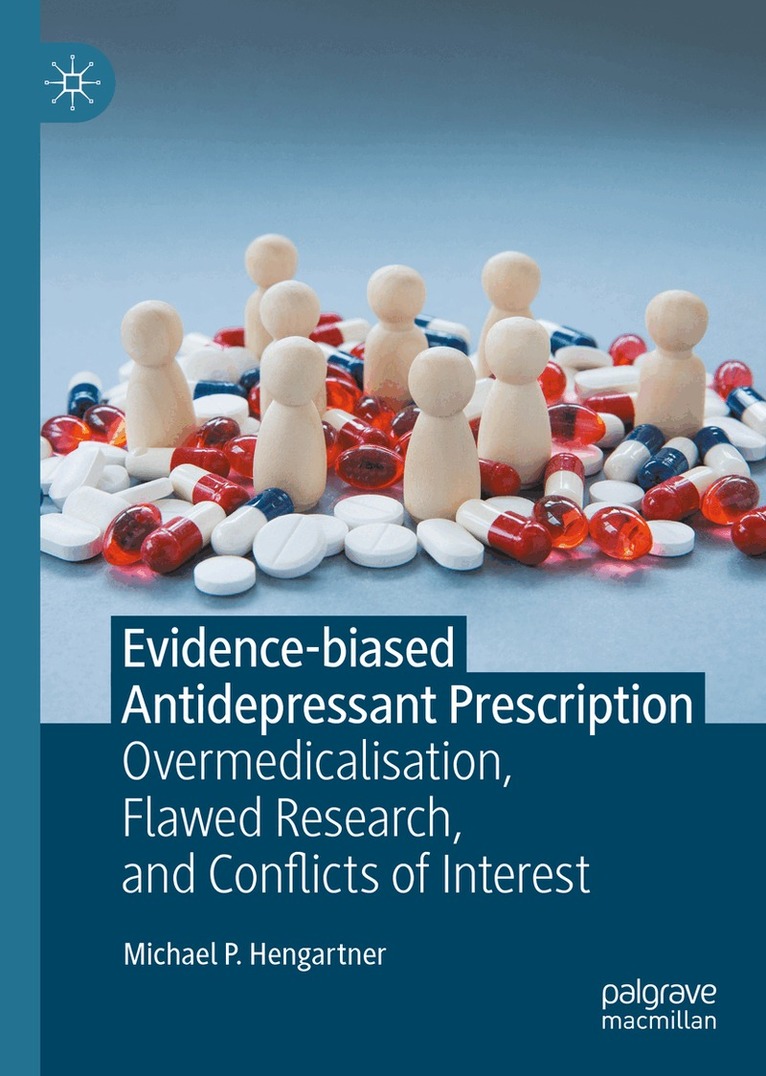
Inbunden, Engelska, 2021
1 442 kr
Skickas inom 10-15 vardagar
This book addresses the over-prescribing of antidepressants in people with mostly mild and subthreshold depression. It outlines the steep increase in antidepressant prescription and critically examines the current scientific evidence on the efficacy and safety of antidepressants in depression. The book is not only concerned with the conflicting views as to whether antidepressants are useful or ineffective in various forms of depression, but also aims at detailing how flaws in the conduct and reporting of antidepressant trials have led to an overestimation of benefits and underestimation of harms. The transformation of the diagnostic concept of depression from a rare but serious disorder to an over-inclusive, highly prevalent but predominantly mild and self-limiting disorder is central to the books argument. It maintains that biological reductionism in psychiatry and pharmaceutical marketing reframed depression as a brain disorder, corroboratingthe overemphasis on drug treatment in both research and practice. Finally, the author goes on to explore how pharmaceutical companies have distorted the scientific literature on the efficacy and safety of antidepressants and how patient advocacy groups, leading academics, and medical organisations with pervasive financial ties to the industry helped to promote systematically biased benefit-harm evaluations, affecting public attitudes towards antidepressants as well as medical education, training, and practice.
E-bok
Engelska, 20211 785 kr
Läs direkt efter köp
This book addresses the over-prescribing of antidepressants in people with mostly mild and subthreshold depression. It outlines the steep increase in antidepressant prescription and critically examines the current scientific evidence on the efficacy and safety of antidepressants in depression. The book is not only concerned with the conflicting views as to whether antidepressants are useful or ineffective in various forms of depression, but also aims at detailing how flaws in the conduct and reporting of antidepressant trials have led to an overestimation of benefits and underestimation of harms. The transformation of the diagnostic concept of depression from a rare but serious disorder to an over-inclusive, highly prevalent but predominantly mild and self-limiting disorder is central to the books argument. It maintains that biological reductionism in psychiatry and pharmaceutical marketing reframed depression as a brain disorder, corroboratingthe overemphasis on drug treatment in both research and practice. Finally, the author goes on to explore how pharmaceutical companies have distorted the scientific literature on the efficacy and safety of antidepressants and how patient advocacy groups, leading academics, and medical organisations with pervasive financial ties to the industry helped to promote systematically biased benefit-harm evaluations, affecting public attitudes towards antidepressants as well as medical education, training, and practice.
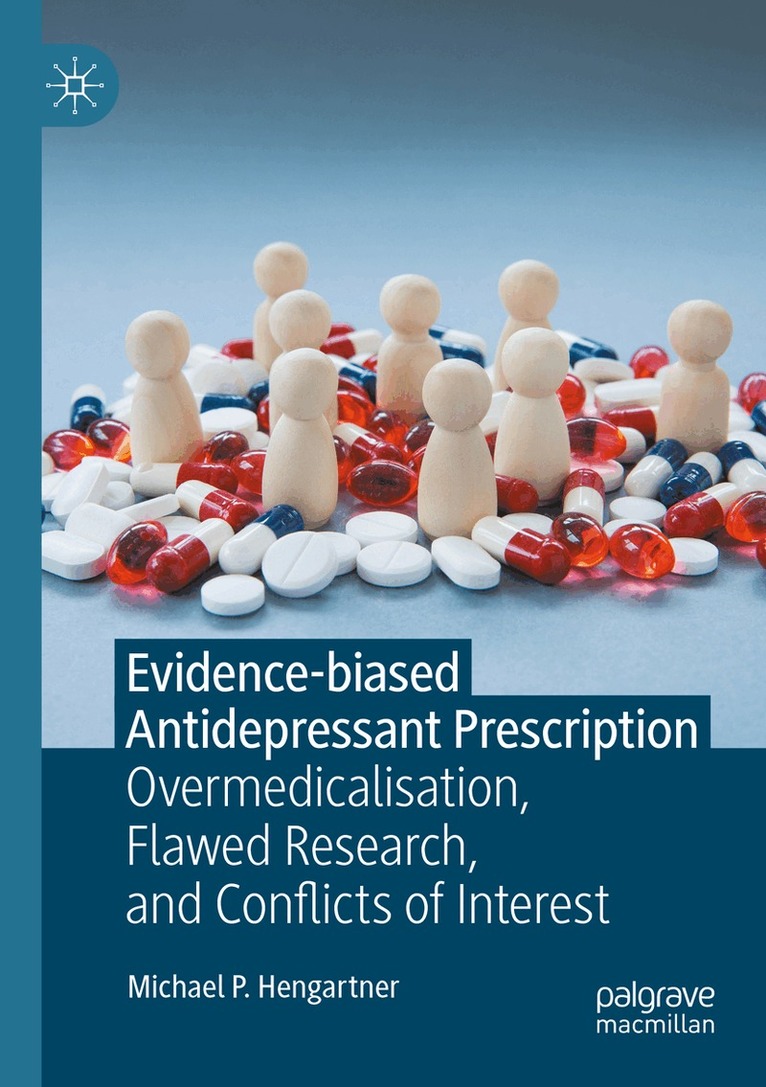
Häftad, Engelska, 2022
1 332 kr
Skickas inom 10-15 vardagar
This book addresses the over-prescribing of antidepressants in people with mostly mild and subthreshold depression. It outlines the steep increase in antidepressant prescription and critically examines the current scientific evidence on the efficacy and safety of antidepressants in depression. The book is not only concerned with the conflicting views as to whether antidepressants are useful or ineffective in various forms of depression, but also aims at detailing how flaws in the conduct and reporting of antidepressant trials have led to an overestimation of benefits and underestimation of harms. The transformation of the diagnostic concept of depression from a rare but serious disorder to an over-inclusive, highly prevalent but predominantly mild and self-limiting disorder is central to the books argument. It maintains that biological reductionism in psychiatry and pharmaceutical marketing reframed depression as a brain disorder, corroboratingthe overemphasis on drug treatment in both research and practice. Finally, the author goes on to explore how pharmaceutical companies have distorted the scientific literature on the efficacy and safety of antidepressants and how patient advocacy groups, leading academics, and medical organisations with pervasive financial ties to the industry helped to promote systematically biased benefit-harm evaluations, affecting public attitudes towards antidepressants as well as medical education, training, and practice.

588 kr
Kommande
Psychische Störungen kompakt erklärt – praxisnah und verständlich.Dieses Lehrbuch vermittelt das essenzielle Wissen, das Psychologiestudierende für Studium und Praxis benötigen: Definition und Erfassung psychischer Störungen, die wichtigsten Diagnosen, Verbreitung, Verläufe und Risikogruppen. Es zeigt bewährte Behandlungsansätze – von psychotherapeutischen und pharmakologischen Verfahren bis hin zu neueren Methoden wie transkranielle Magnetstimulation, Neurofeedback und Sporttherapie. Darüber hinaus bietet das Buch eine kritische Perspektive auf Risikofaktoren, die psychisches Wohlbefinden gefährden: ungesunde Lebensweisen, kritische Lebensereignisse und soziale Medien. Dieses Lehrbuch zeichnet sich dadurch aus, dass es zusätzlich zu herkömmlichen Themen der klinischen Psychologie, wie Diagnostik, Epidemiologie und Therapie psychischer Störungen, einen kritischen Blick auf kontrovers diskutierte Themen wirft: die fortschreitende Medikalisierung psychosozialer Probleme, der biologische Reduktionismus in der ätiologischen Forschung und systematische Verzerrungen in der wissenschaftlichen Evaluation von Therapieverfahren. Kompakt, differenziert und praxisorientiert – ideal für alle, die psychologische Theorie mit realer Anwendung verbinden möchten.Die ZielgruppenPsychologiestudierende (insbesondere an Fachhochschulen)Studierende im Zweitstudium mit PraxisfokusLehrende in Psychologie und GesundheitswissenschaftenPraktiker/innen in Beratung und Therapie