Michael R. D'Andrea – författare
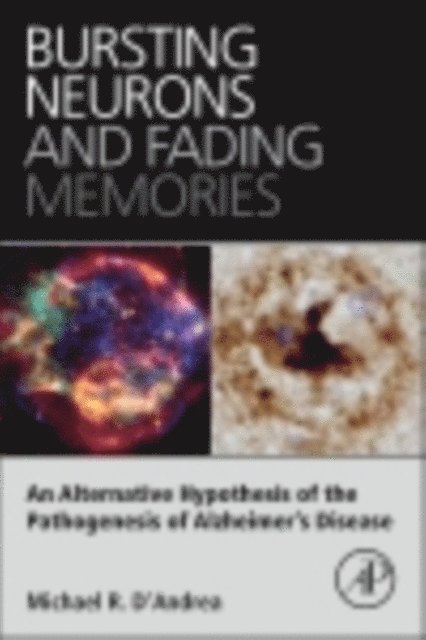
Bursting Neurons and Fading Memories
An Alternative Hypothesis of the Pathogenesis of Alzheimer's Disease
593 kr
Skickas inom 7-10 vardagar
Advances in Alzheimer's disease (AD) research have been challenging and without major breakthroughs in understanding its pathological basis. The reigning hypothesis suggests AD is the result of extracellular amyloid deposition that seed to form amyloid plaques, which then grow and kill neighboring neurons. However, there are several inconsistencies with this hypothesis, not to mention the inability to show clinical benefit in several failed clinical trials by pharmaceuticals (i.e., from Pfizer, Eli Lilly, etc.), and it is in the field's best interest to explore and test multiple hypotheses for pathology rather than drive the majority of research on this single amyloid theory. Reviewing many scientifically peer-reviewed publications, this book describes the "Inside-Out" hypothesis on how amyloid escapes the circulatory system through a dysfunctional blood-brain barrier to bind to the alpha 7 nicotinic acetylcholine receptor on pyramidal neurons. Over time, excessive amounts of amyloid appear to be internalized, resulting in neuron death and lysis. This simple mechanism readily explains plaque composition, size, shape, and location. Based on the current direction of research in the field, this hypothesis appears years from any research and development.
The clear, compelling, and unifying "Inside-Out" hypothesis of AD is brought to life through a string of scientific publications, synthesizing many known features of disease pathology A high-level text on AD pathology, and suggestions for progress in a stagnating field Point-by-point discussion on the issues surrounding the current amyloid cascade, and possible reasons why current clinical trials have failed Contains high-quality photomicrographs in support of the "Inside-Out" hypothesis using single, double, and triple immunohistochemistry on human AD CNS tissues Chapters address the need for a unifying plaque nomenclature, the importance of intracellular amyloid, the blood-brain barrier, inflammation, and autoimmunity593 kr
Skickas inom 7-10 vardagar
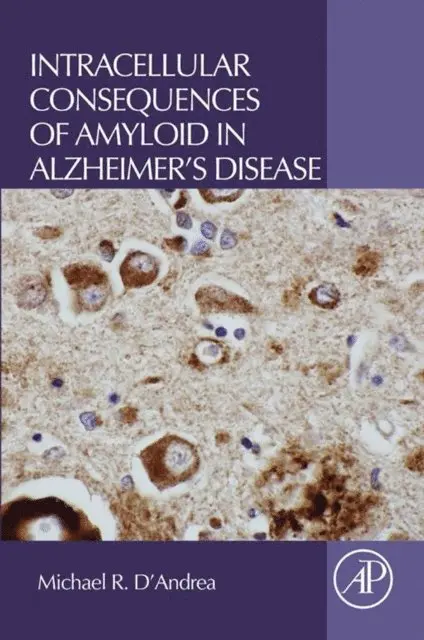
Consequences of Intracellular Amyloid in Alzheimer's Disease addresses one of the more currently unresolved aspects confounding Alzheimer's research, the significance of intraneuronal amyloid. It seeks to explain some of the unresolved questions concerning intracellular amyloid and its origin, entry, and toxicity.
Following up on Dr. D'Andrea's first book, Bursting Neurons and Fading Memories: An Alternative Hypothesis for the Pathogenesis of Alzheimer's Disease, this book further examines the Inside-Out or Bursting alternative hypothesis of how amyloid escapes the circulatory system to ultimately enter neurons, also examining whether there is a relationship between intracellular amyloid, amyloid plaques, and cognitive impairment. Through a comprehensive explanation of the currently relevant scientific research on intracellular amyloid compiled in this handy reference, readers will better understand the mechanisms that lead to neuron death.
Presents the latest research on the significance of intracellular amyloid as it relates to Alzheimer's Addresses crucial questions about intracellular amyloid, including how if forms and enters neurons, its toxicity, if it triggers cell death, and how amyloid plaques are formed Examines the potential relationship between intracellular amyloid, plaques, and cognitive impairment in an effort to answer whether Alzheimer's is initially a problem of amyloid, the neuron, or of the blood-brain barrier Seeks to help researchers generate additional alternative therapeutic opportunities to cure Alzheimer's