Michael Shrubb – författare
Visar alla böcker från författaren Michael Shrubb. Handla med fri frakt och snabb leverans.
9 produkter
9 produkter
Häftad, Engelska, 1990
516 kr
Skickas inom 7-10 vardagar
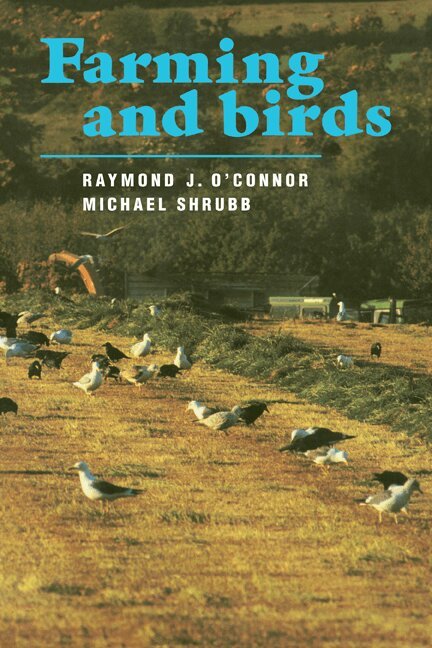
This attractively illustrated book reviews the effects of agricultural development on bird populations in Britain. Examining modern farmland as a bird habitat, it explains the changes, both in habitat structure and in available resources, that have occurred as a result of mechanisation and use of agrochemicals. Farmland bird communities are described, and their composition related to farm structure and land use. Based extensively on empirical data extracted from the British Trust for Ornithology's Common Bird Census and from nest histories recorded in the BTO'S Nest Record Scheme, the book presents an important analysis of the position of agricultural bird populations under modern farming systems. Particular examination has been made of the impact of changing methods, rotations and crops, which have been underestimated in the past. Resulting from the co-operation between a professional ornithologist and a working cereal farmer, this book provides an objective and informed view of the impact of British agriculture on bird populations.
Inbunden, Engelska, 2003
1 175 kr
Skickas inom 7-10 vardagar
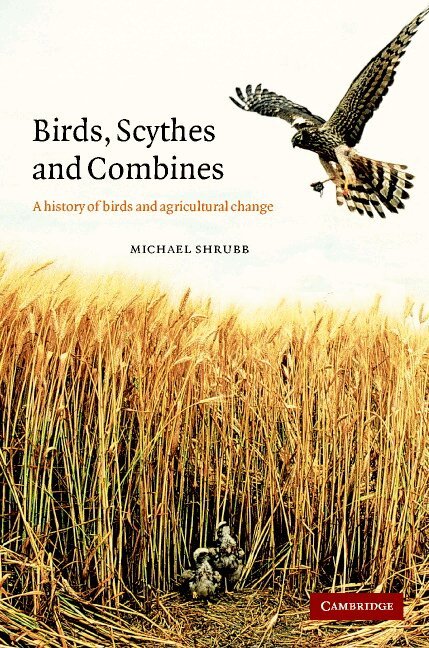
First published in 2003, Birds, Scythes and Combines provides an historical perspective to changes in farmland bird populations in Britain over the past 250 years. Despite the scale of change in habitats and agricultural methods in the late eighteenth and nineteenth centuries, early avifaunas show that farmland birds were little affected. Specialised species of fen and marsh were lost, often as much to persecution as habitat destruction, but farmland birds benefited from the appearance of extensive new resources which aided their adaptation to the altered habitats created by the new farming methods. In addition, many old permanent grass habitats were little altered, leaving a major reservoir of important habitats unchanged. By contrast, more modern farming methods, with changes in grassland management, in herbicide use and in harvesting methods particularly, have led to a collapse in the diversity of farmland and a consequent steep decline in the population size of a high proportion of farmland birds.
Inbunden, Engelska, 2007
823 kr
Skickas inom 5-8 vardagar
Häftad, Engelska, 2012
615 kr
Skickas inom 7-10 vardagar
First published in 2003, Birds, Scythes and Combines provides an historical perspective to changes in farmland bird populations in Britain over the past 250 years. Despite the scale of change in habitats and agricultural methods in the late eighteenth and nineteenth centuries, early avifaunas show that farmland birds were little affected. Specialised species of fen and marsh were lost, often as much to persecution as habitat destruction, but farmland birds benefited from the appearance of extensive new resources which aided their adaptation to the altered habitats created by the new farming methods. In addition, many old permanent grass habitats were little altered, leaving a major reservoir of important habitats unchanged. By contrast, more modern farming methods, with changes in grassland management, in herbicide use and in harvesting methods particularly, have led to a collapse in the diversity of farmland and a consequent steep decline in the population size of a high proportion of farmland birds.
E-bok
Engelska, 2009876 kr
Läs direkt efter köp
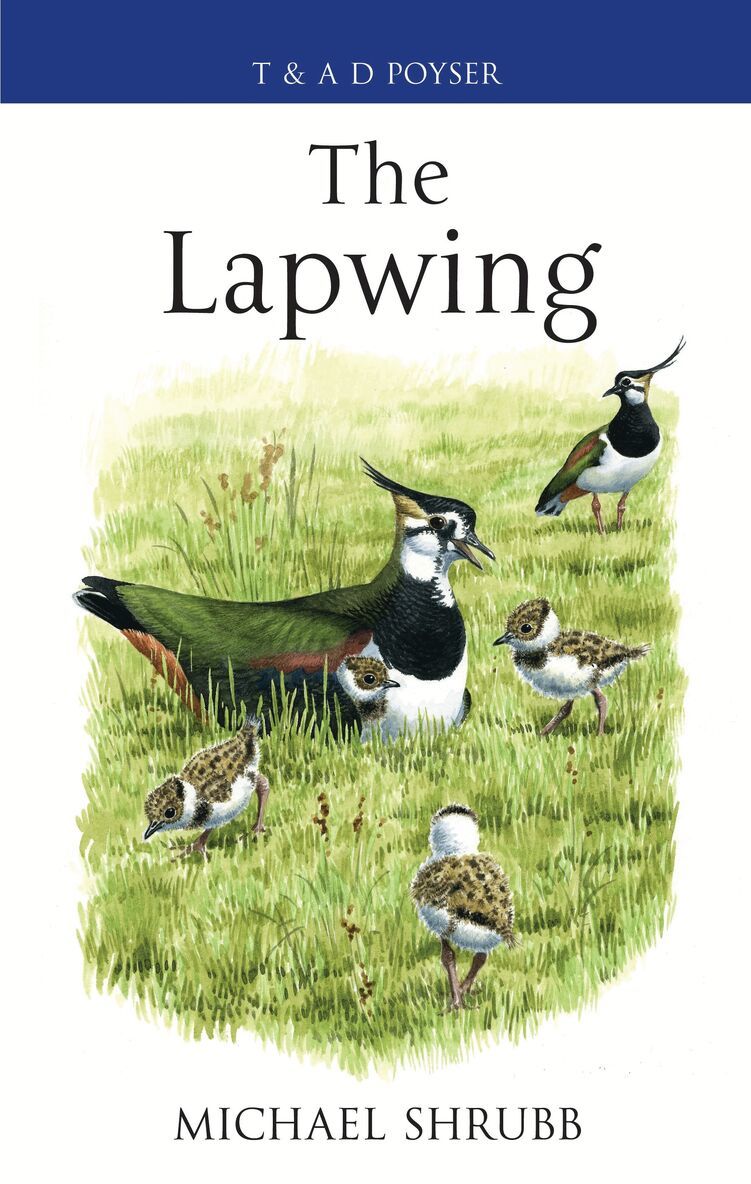
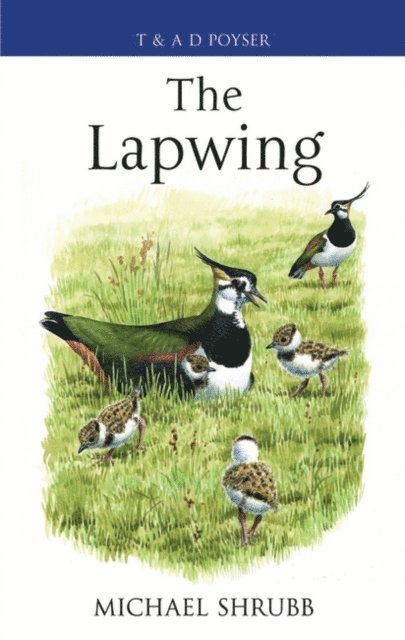
A detailed, authoritative yet highly readable monograph on one of Britain''s best-loved farmland birds, the Lapwing. With its striking green-black and white plumage and distinctive pee-wit call, the Lapwing is one of Britain''s best-known birds. Lapwings depend on agricultural land to breed and are considered a barometer of the health of this habitat; the population has crashed over recent decades, partly due to changes in farming practices. In winter, Lapwings switch to coastal areas and to wetlands, including those in suburban areas, where large, noisy flocks can gather. Michael Shrubb''s The Lapwing is a thorough review of Lapwing biology contains sections on population dynamics, feeding ecology, habitat use, migration, and conservation; there is an impressively detailed review of our current understanding of breeding biology, plus discussion of some other species in the genus. The Lapwing is a superb addition to the Poyser list. Of interest to both amateur naturalists, who will enjoy insights into the birds'' lives, and to academics, who will appreciate the broad overview of current research, this title will remain the definitive work on the species for many years to come.
E-bok
PDF, Engelska, 2010876 kr
Läs direkt efter köp
A detailed, authoritative yet highly readable monograph on one of Britain''s best-loved farmland birds, the Lapwing.With its striking green-black and white plumage and distinctive pee-wit call, the Lapwing is one of Britain''s best-known birds. Lapwings depend on agricultural land to breed and are considered a barometer of the health of this habitat; the population has crashed over recent decades, partly due to changes in farming practices. In winter, Lapwings switch to coastal areas and to wetlands, including those in suburban areas, where large, noisy flocks can gather.Michael Shrubb''s The Lapwing is a thorough review of Lapwing biology contains sections on population dynamics, feeding ecology, habitat use, migration, and conservation; there is an impressively detailed review of our current understanding of breeding biology, plus discussion of some other species in the genus. The Lapwing is a superb addition to the Poyser list. Of interest to both amateur naturalists, who will enjoy insights into the birds'' lives, and to academics, who will appreciate the broad overview of current research, this title will remain the definitive work on the species for many years to come.
Inbunden, Engelska, 2013
1 072 kr
Skickas inom 10-15 vardagar
E-bok
PDF, Engelska, 20131 128 kr
Läs direkt efter köp
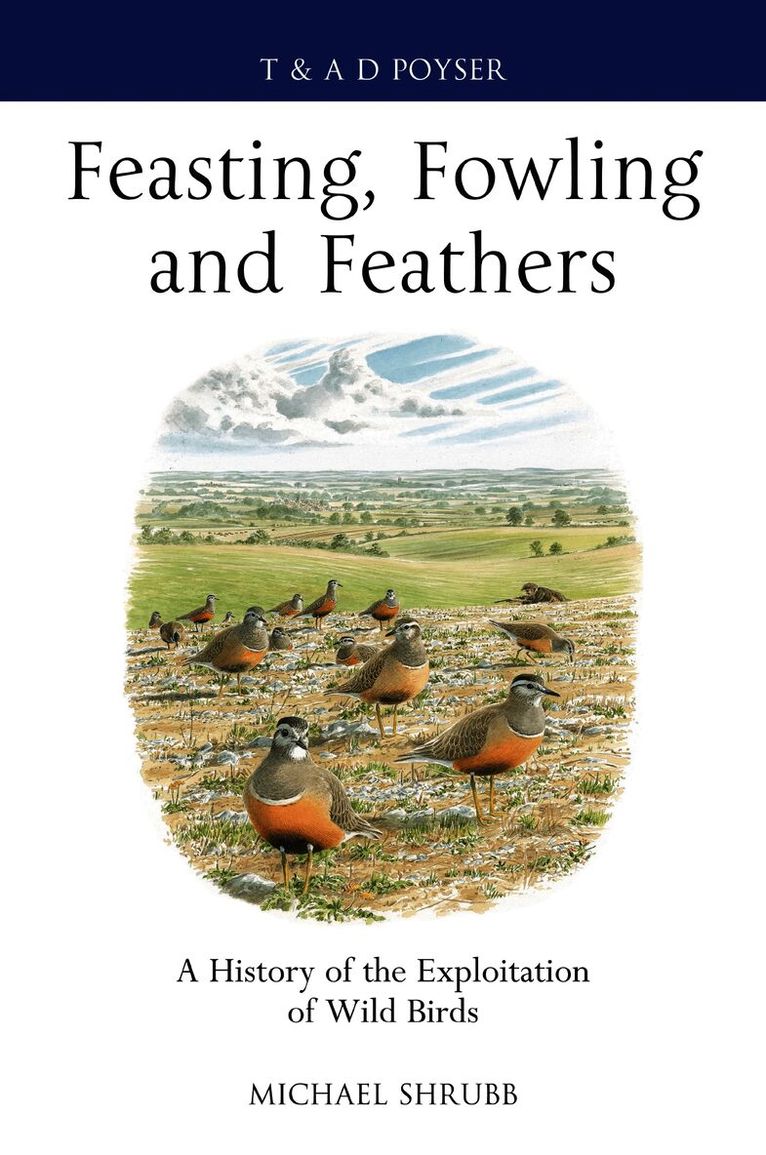
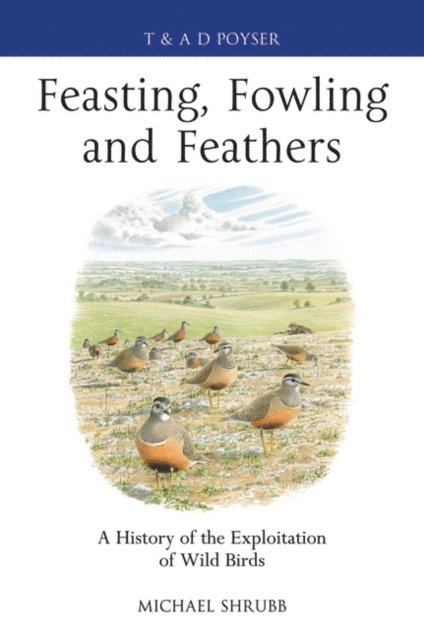
A highly readable review of some 700 years of avian exploitation.The way wild birds have been exploited over the centuries forms the focus of this remarkable new book by Michael Shrubb. It looks at the use of birds as food, for feathers and skins, for eggs, as cage birds, as specimens and for hunting, focusing on Britain, northern Europe and the North Atlantic. Never before has a book brought the huge amount of information on these topics in the academic literature together under one cover.Introductory chapters on what was taken, when, why and its impact are followed by a number of sections looking in detail at important bird groups. Along with discussions of broader themes of exploitation, the book is packed with amazing facts. For example, we learn:- why Grey Herons were so important in medieval falconry- why the Black Death was good news for bustards- why Napoleon is to blame for the scarcity of Quail in Britain today- when tame plover stew was all the rageThe book concludes with discussions of the cage bird and plumage trades, both now consigned to the annals of history, in Britain at any rate. As well as summarising and condensing the material into a readable and entertaining account, Shrubb goes back to the original sources. This has allowed him to shed new and surprising light on the biogeography of a number of British birds.
E-bok
Engelska, 20131 128 kr
Läs direkt efter köp
A highly readable review of some 700 years of avian exploitation.The way wild birds have been exploited over the centuries forms the focus of this remarkable new book by Michael Shrubb. It looks at the use of birds as food, for feathers and skins, for eggs, as cage birds, as specimens and for hunting, focusing on Britain, northern Europe and the North Atlantic. Never before has a book brought the huge amount of information on these topics in the academic literature together under one cover.Introductory chapters on what was taken, when, why and its impact are followed by a number of sections looking in detail at important bird groups. Along with discussions of broader themes of exploitation, the book is packed with amazing facts. For example, we learn:- why Grey Herons were so important in medieval falconry- why the Black Death was good news for bustards- why Napoleon is to blame for the scarcity of Quail in Britain today- when tame plover stew was all the rageThe book concludes with discussions of the cage bird and plumage trades, both now consigned to the annals of history, in Britain at any rate. As well as summarising and condensing the material into a readable and entertaining account, Shrubb goes back to the original sources. This has allowed him to shed new and surprising light on the biogeography of a number of British birds.