Michael Stammers – författare
Visar alla böcker från författaren Michael Stammers. Handla med fri frakt och snabb leverans.
9 produkter
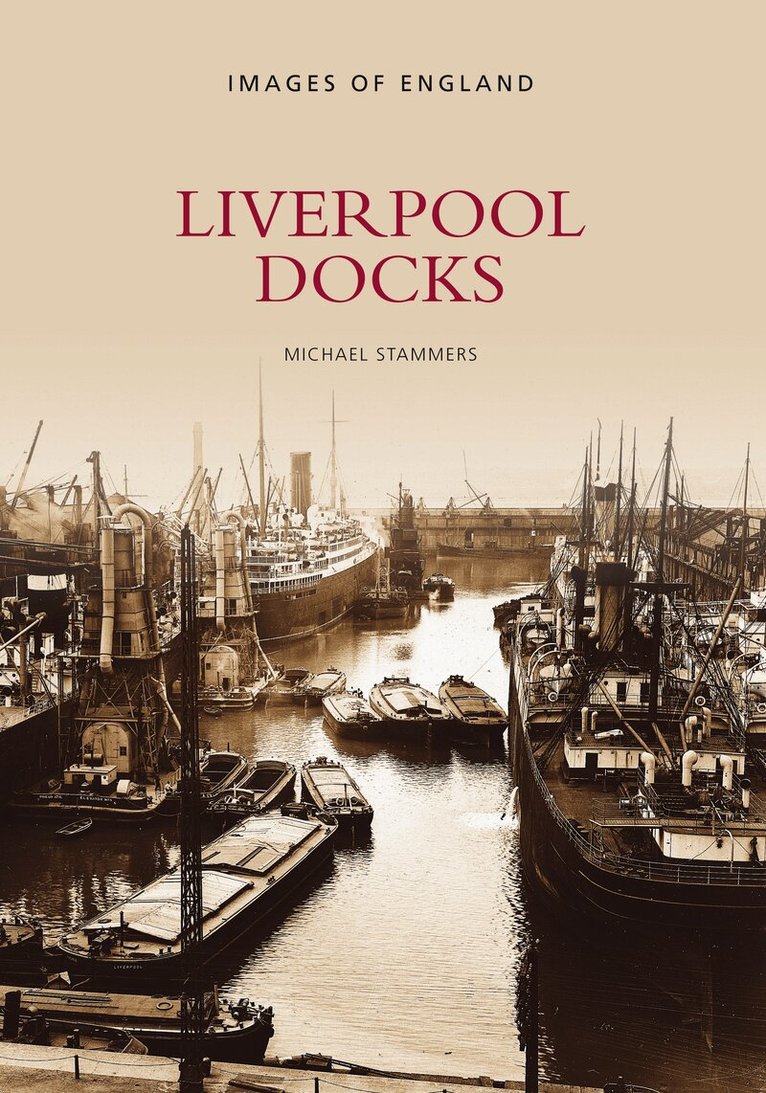
Liverpool Docks
Häftad, 1999
184 kr
Lägg i varukorg
The story of Liverpool is, in many ways, the story of its docks. Before the docks, trade was limited by the tides and at the mercy of the Mersey's currents. After dock construction began, the city became a hub of Britain's worldwide trading network. Cheshire Salt, Lancashire coal and textiles, …
Guide to the Records of Merseyside Maritime Museum, Volume 1
Av Gordon Read, Michael Stammers
Häftad, 1994
558 kr
Lägg i varukorg
Suffolk Shipping
Häftad, 2003
152 kr
Tillfälligt slut
Suffolk is almost surrouned by waters. To the north are the rivers Waveney and Little Ouse, to the west the river Lark, to the south the river Stour, and to the east the North Sea. In the heyday of the North East coal trade, hundreds of sailing colliers negotiated the complex of shoals off the …
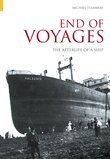
End of Voyages
The Afterlife of a Ship
Häftad, 2005
187 kr
Tillfälligt slut
Looking at ships over the past two millennia, this book considers the question of 'what happens to a ship when it's no longer needed for its original purpose?' From Roman galleys to ship-wrecking, the whole history of shipping is considered in answering the question.
Crosby Curiosities
Häftad, 2006
165 kr
Tillfälligt slut
Describes and illustrates a series of local features that played a part in Crosby's history. The first part of this book offers a commentary on different aspects of Crosby's development, while the second part explores the different types of building materials found in Crosby as well as signs, …
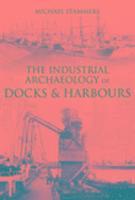
Industrial Archaeology of Docks and Harbours
Häftad, 2007
203 kr
Tillfälligt slut
Michael Stammers tells the history of the British harbour and looks at the industrial archaeology of both harbours and ports. For over 2,000 years, we have built man-made harbours and, as an island nation, they have played a great part in our history. From the smallest harbour to huge ‘super ports’ …
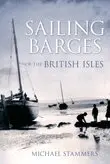
Sailing Barges of the British Isles
Häftad, 2008
182 kr
Tillfälligt slut
In the days before steam, sailing barges were a common sight on the British coast, its rivers, estuaries, broads and river navigations. The most well-known of these vessels are probably the Thames barges and Norfolk Wherries. Whole communities in the late nineteenth and early twentieth century were …