Michel Boivin – författare
2 220 kr
Skickas inom 10-15 vardagar
1 313 kr
Skickas inom 10-15 vardagar
456 kr
Skickas inom 10-15 vardagar
672 kr
Läs direkt efter köp
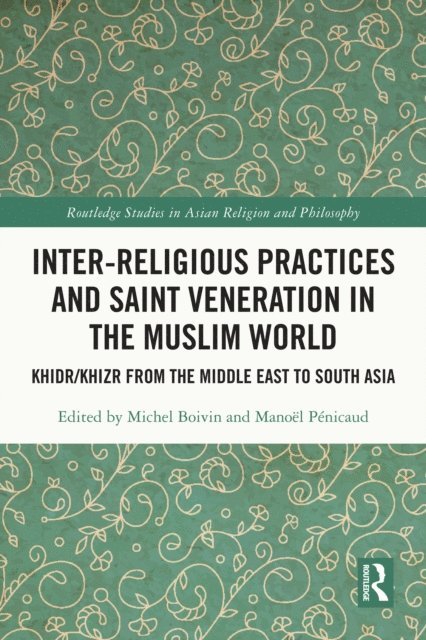
Inter-religious Practices and Saint Veneration in the Muslim World studies the immortal saint Khidr/Khizr, a mysterious prophet and popular multi-religious figure and Sufi master venerated across the Muslim world.
Focusing on the religious figure of Khidr/Khizr and the practice of religion from Middle East to South Asia, the chapters offer a multi-disciplinary analysis. The book addresses the plurality in the interpretation of Khizr and underlines the unique character of the figure, whose main characteristics are kept by Muslims, Christians, Hindus and Sikhs. Chapters examine vernacular Islamic piety and intercommunal religious practices and highlight the multiples ways through which Khidr/Khizr allows a conversation between different religious cultures. Furthermore, Khidr/Khizr is a most significant case study for deciphering the complex dialectic between the universal and the local. The contributors also argue that Khidr/Khizr played a leading role in the process of translating a religious tradition into the other, in incorporating him through an association with other sacred characters.
Bringing together the different worship practices in countries with a very different cultural and religious background, the study includes research from the Balkans to the Punjabs in Pakistan and in India. It will be of interest to researchers in History, Anthropology, Sociology, Comparative Religious Studies, History of Religion, Islamic Studies, Middle Eastern Studies, South Asian Studies and Southeast European Studies.
672 kr
Läs direkt efter köp
Inter-religious Practices and Saint Veneration in the Muslim World studies the immortal saint Khidr/Khizr, a mysterious prophet and popular multi-religious figure and Sufi master venerated across the Muslim world.
Focusing on the religious figure of Khidr/Khizr and the practice of religion from Middle East to South Asia, the chapters offer a multi-disciplinary analysis. The book addresses the plurality in the interpretation of Khizr and underlines the unique character of the figure, whose main characteristics are kept by Muslims, Christians, Hindus and Sikhs. Chapters examine vernacular Islamic piety and intercommunal religious practices and highlight the multiples ways through which Khidr/Khizr allows a conversation between different religious cultures. Furthermore, Khidr/Khizr is a most significant case study for deciphering the complex dialectic between the universal and the local. The contributors also argue that Khidr/Khizr played a leading role in the process of translating a religious tradition into the other, in incorporating him through an association with other sacred characters.
Bringing together the different worship practices in countries with a very different cultural and religious background, the study includes research from the Balkans to the Punjabs in Pakistan and in India. It will be of interest to researchers in History, Anthropology, Sociology, Comparative Religious Studies, History of Religion, Islamic Studies, Middle Eastern Studies, South Asian Studies and Southeast European Studies.
2 151 kr
Skickas inom 10-15 vardagar
588 kr
Skickas inom 10-15 vardagar
519 kr
Läs direkt efter köp
524 kr
Läs direkt efter köp
685 kr
Skickas inom 10-15 vardagar
450 kr
Skickas inom 10-15 vardagar
795 kr
Läs direkt efter köp
802 kr
Läs direkt efter köp
1 062 kr
Läs direkt efter köp
1 053 kr
Läs direkt efter köp
1 640 kr
Skickas inom 10-15 vardagar
482 kr
Läs direkt efter köp
482 kr
Läs direkt efter köp
435 kr
Läs direkt efter köp
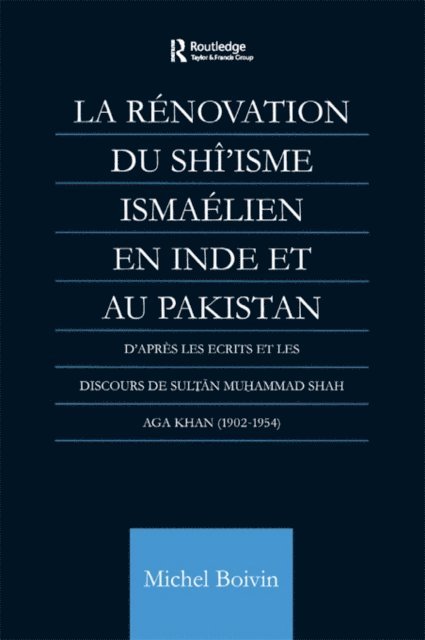
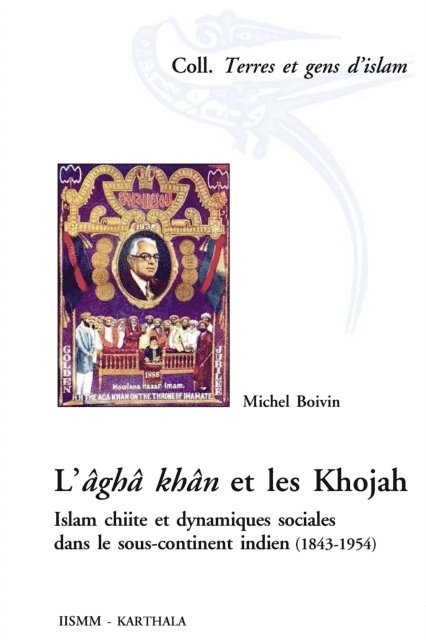
Le sous-continent indien réunit la plus importante communauté musulmane du monde. Majoritaires au Pakistan et au Bangladesh, les musulmans forment également la deuxième communauté religieuse de l’Inde. Entre le milieu du XIXe et la fin du XXe siècle, ils ont été soumis aux profonds bouleversements que la région a connus : la colonisation britannique, le développement des nationalismes et, enfin, l’indépendance avec la partition de l’empire des Indes. Cet ouvrage analyse comment les Khojah, un groupe de musulmans chiites ismaéliens, ont fait face à ces défis majeurs.Majoritairement établis dans le Sindh, aujourd’hui situé au Pakistan, les Khojah étaient répartis en un ensemble disparate de castes, jusqu’à l’arrivée en 1843 d’un chef religieux, l’imâm des chiites ismaéliens, connu sous le nom d’âghâ khân. La majorité des Khojah accepta l’autorité de l’âghâ khân. Après avoir subi des défections en leur sein, surtout des conversions au chiisme duodécimain, ils formèrent une communauté à peu près homogène. Dominés par des groupes de marchands, les Khojah surent largement profiter de l’essor économique impulsé à Karachi par les Britanniques. Sur le plan religieux, leur identité était ouverte aux autres traditions religieuses, jusqu’à en intégrer certains éléments.En 1947, la création du Pakistan, un État créé pour les musulmans des Indes, remit en cause cet équilibre. D’autant que dix ans plus tard disparaissait le troisième âghâ khân, Sultân Muhammad Shâh (1877-1957), qui avait été imâm pendant plus de soixante-dix ans. Face à l’islamisation progressive des lois au Pakistan, les Khojah durent réadapter leur tradition religieuse pour être plus en phase avec la nouvelle norme islamique. Simultanément, le nouvel âghâ khân, Shâh Karîm, mit en oeuvre un processus de globalisation pour intégrer toutes les composantes de ses fidèles, y compris ceux des pays arabes ou d’Asie centrale. Et malgré la radicalisation islamique que connaît aujourd’hui le Pakistan, les Khojah demeurent une communauté puissante et respectée, mais en même temps fragile.Ce livre montre comment l’islam peut s’adapter aux cultures locales et, inversement, comment un groupe particulier peut assimiler les nouvelles interprétations de l’islam.
1 082 kr
Skickas inom 10-15 vardagar
1 367 kr
Läs direkt efter köp
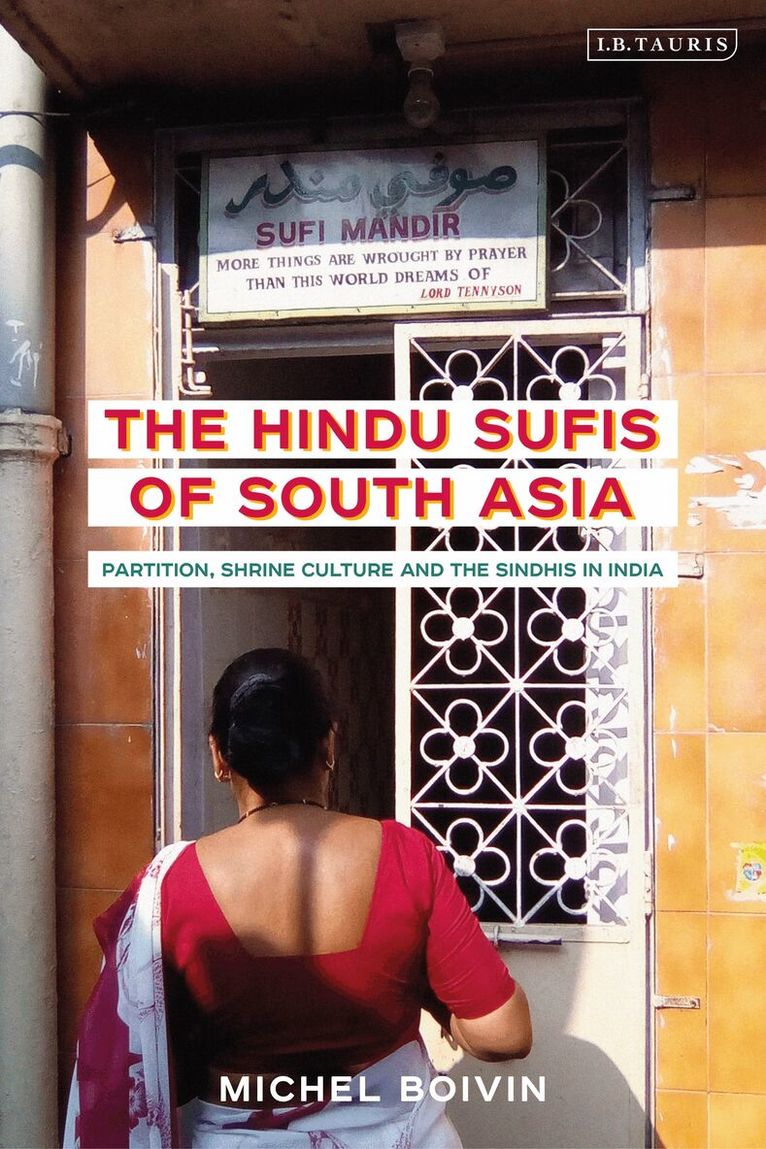
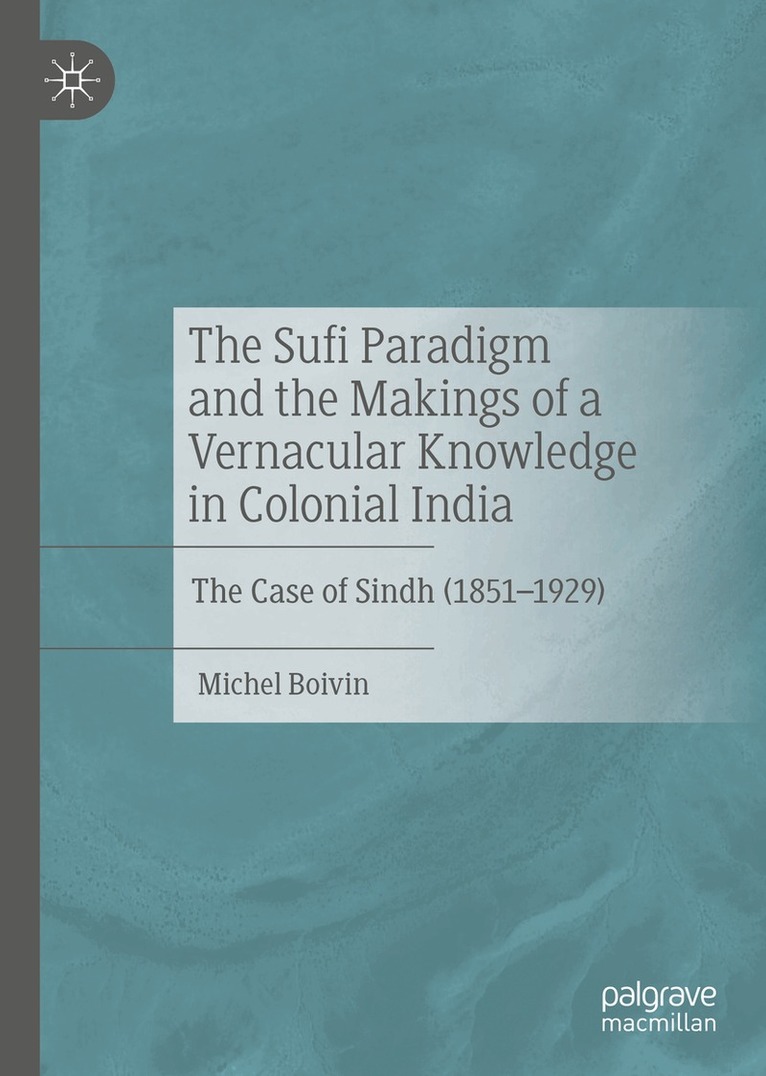
This book demonstrates how a local elite built upon colonial knowledge to produce a vernacular knowledge that maintained the older legacy of a pluralistic Sufism. As the British reprinted a Sufi work, Shah Abd al-Latif Bhittai''s Shah jo risalo, in an effort to teach British officers Sindhi, the local intelligentsia, particularly driven by a Hindu caste of professional scribes (the Amils), seized on the moment to promote a transformation from traditional and popular Sufism (the tasawuf) to a Sufi culture (Sufiyani saqafat). Using modern tools, such as the printing press, and borrowing European vocabulary and ideology, such as Theosophical Society, the intelligentsia used Sufism as an idiomatic matrix that functioned to incorporate difference and a multitude of devotional traditions—Sufi, non-Sufi, and non-Muslim—into a complex, metaphysical spirituality that transcended the nation-state and filled the intellectual, spiritual, and emotionalvoids of postmodernity.
1 082 kr
Skickas inom 10-15 vardagar
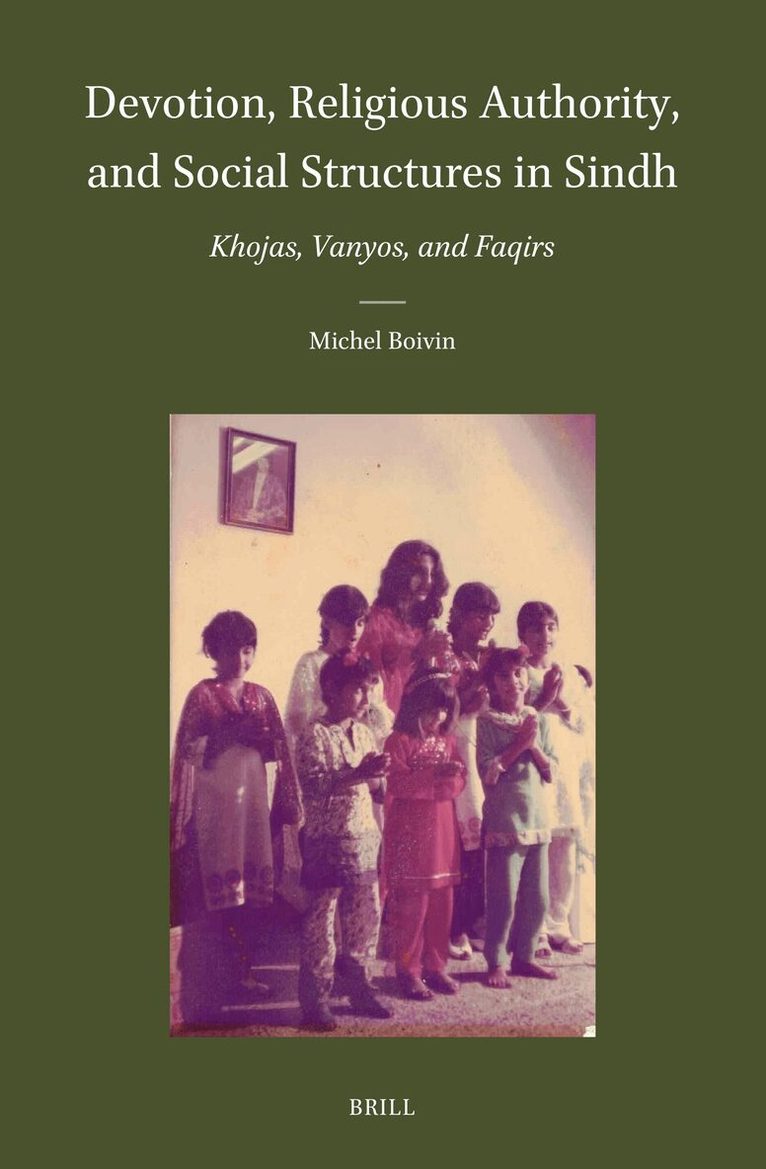
Devotion, Religious Authority, and Social Structures in Sindh
Khojas, Vanyos, and Faqirs
1 639 kr
Skickas inom 5-8 vardagar
1 777 kr
Läs direkt efter köp
612 kr
Tillfälligt slut