Michele Pifferi – författare
Visar alla böcker från författaren Michele Pifferi. Handla med fri frakt och snabb leverans.
11 produkter
Reinventing Punishment
A Comparative History of Criminology and Penology in the 19th and 20th Century
E-bok, 2016
1004 kr
Lägg i varukorg
Providing a historical analysis of the impact of criminology on the rationale of punishment and the sentencing systems in Europe and the US between the 1870s and the 1930s, Reinventing Punishment: A Comparative History of Criminology and Penology in the 19th and 20th Century investigates and …
Reinventing Punishment
A Comparative History of Criminology and Penology in the 19th and 20th Century
E-bok, 2016
1004 kr
Lägg i varukorg
Providing a historical analysis of the impact of criminology on the rationale of punishment and the sentencing systems in Europe and the US between the 1870s and the 1930s, Reinventing Punishment: A Comparative History of Criminology and Penology in the 19th and 20th Century investigates and …
Reinventing Punishment
A Comparative History of Criminology and Penology in the Nineteenth and Twentieth Centuries
Inbunden, 2016
1363 kr
Lägg i varukorg
Providing a historical analysis of the impact of criminology on the rationale of punishment and the sentencing systems in Europe and the United States between the 1870s and the 1930s, Reinventing Punishment: A Comparative History of Criminology and Penology in the Nineteenth and Twentieth Centuries …
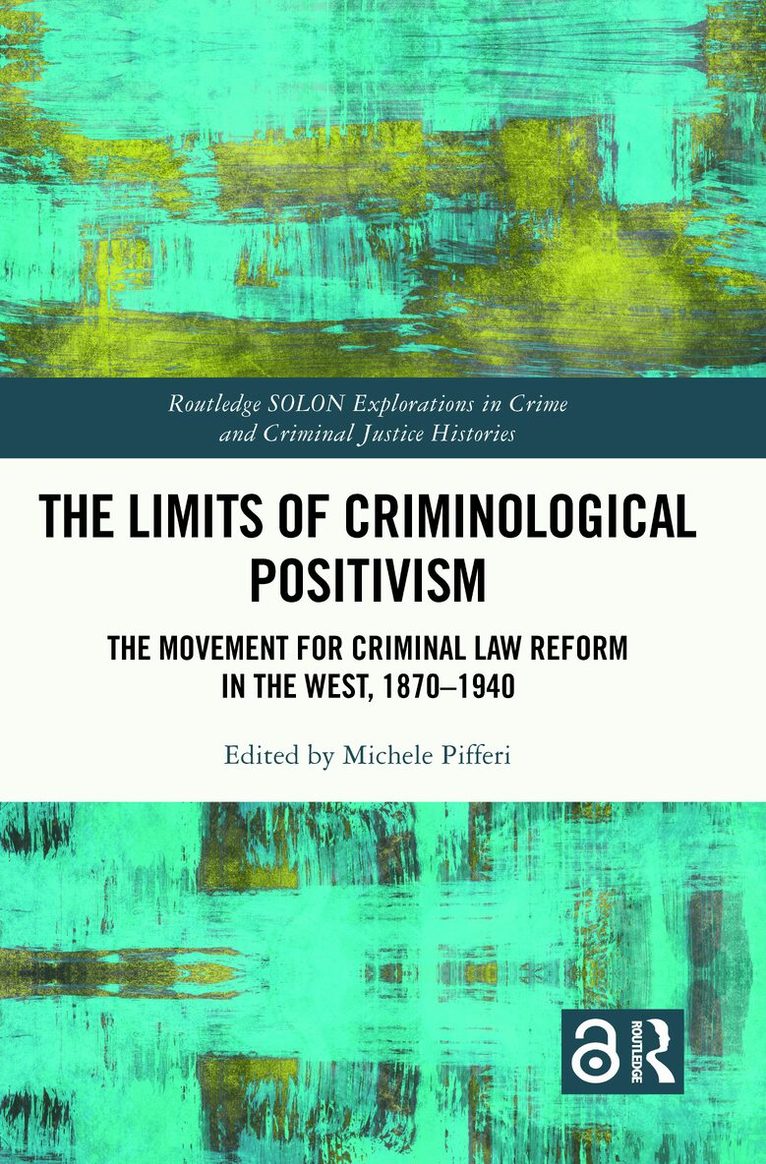
Limits of Criminological Positivism
The Movement for Criminal Law Reform in the West, 1870-1940
Inbunden, 2021
2312 kr
Lägg i varukorg
The Limits of Criminological Positivism: The Movement for Criminal Law Reform in the West, 1870-1940 presents the first major study of the limits of criminological positivism in the West and establishes the subject as a field of interest.The volume will explore those limits and bring to life the …
Limits of Criminological Positivism
The Movement for Criminal Law Reform in the West, 1870-1940
E-bok, 2021
669 kr
Lägg i varukorg
The Limits of Criminological Positivism: The Movement for Criminal Law Reform in the West, 1870-1940 presents the first major study of the limits of criminological positivism in the West and establishes the subject as a field of interest. The volume will explore those limits and bring to life the …
Limits of Criminological Positivism
The Movement for Criminal Law Reform in the West, 1870-1940
E-bok, 2021
655 kr
Lägg i varukorg
The Limits of Criminological Positivism: The Movement for Criminal Law Reform in the West, 1870-1940 presents the first major study of the limits of criminological positivism in the West and establishes the subject as a field of interest. The volume will explore those limits and bring to life the …
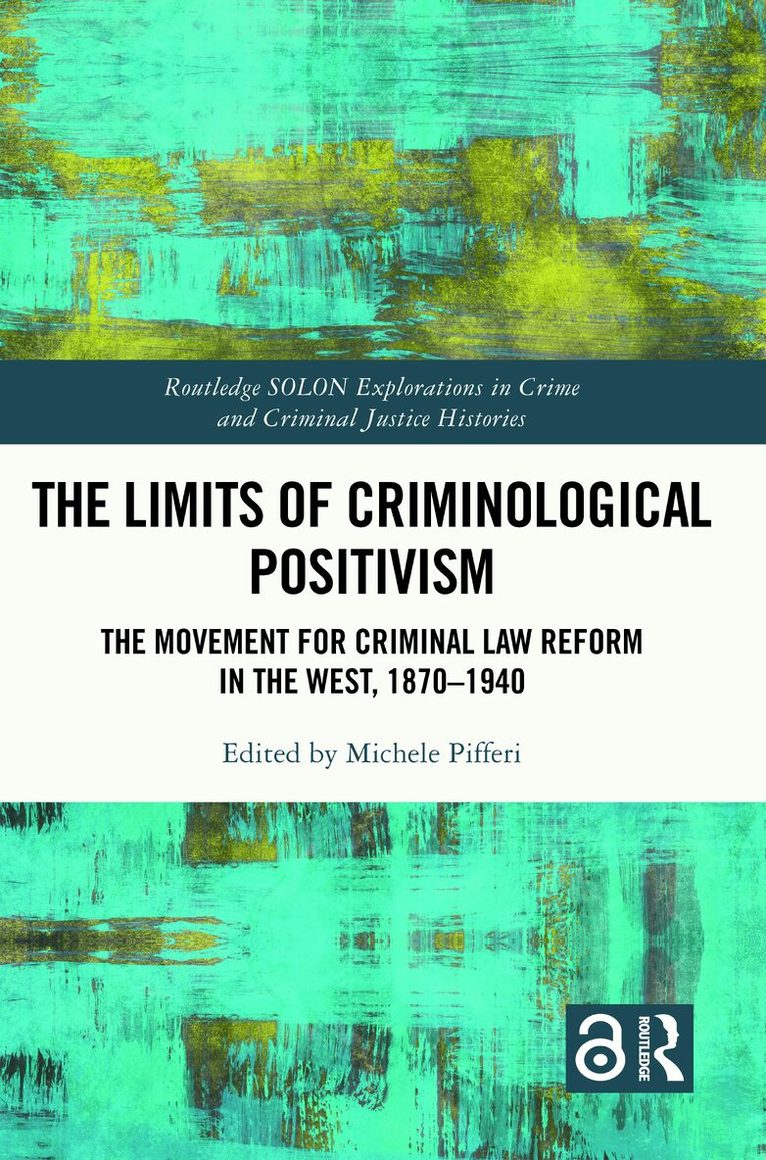
Limits of Criminological Positivism
The Movement for Criminal Law Reform in the West, 1870-1940
Häftad, 2023
712 kr
Lägg i varukorg
The Limits of Criminological Positivism: The Movement for Criminal Law Reform in the West, 1870-1940 presents the first major study of the limits of criminological positivism in the West and establishes the subject as a field of interest.The volume will explore those limits and bring to life the …
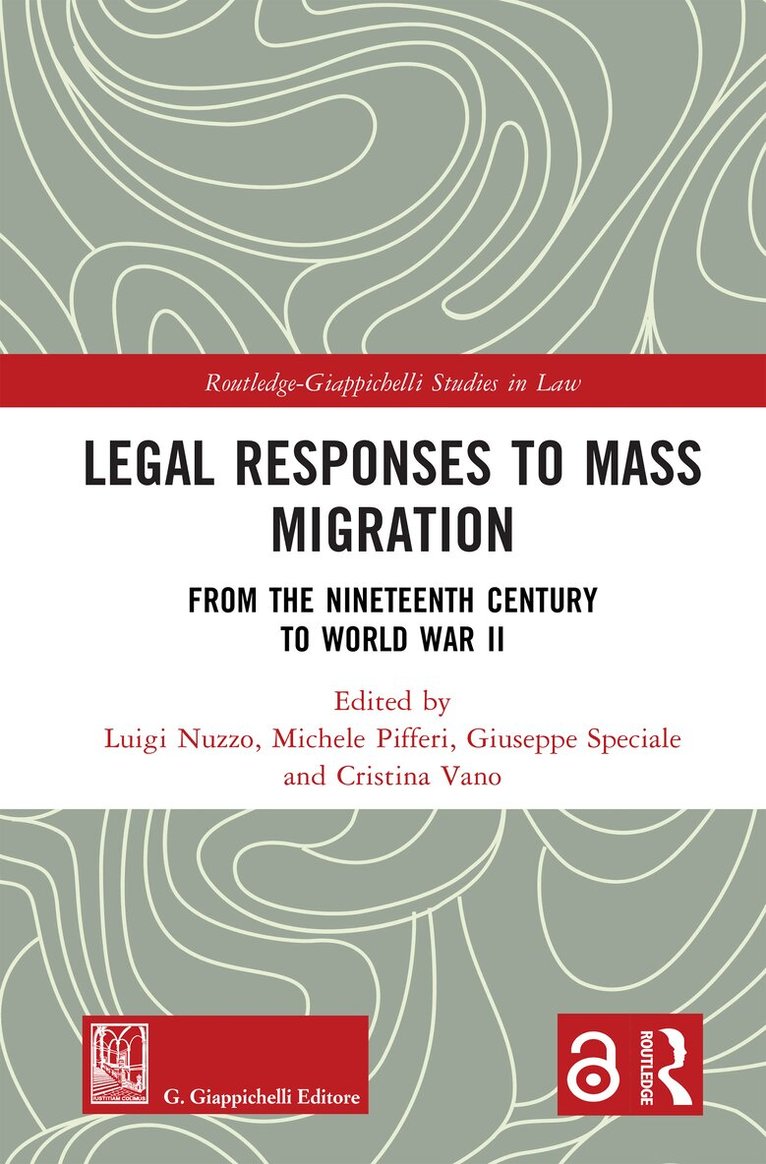
Legal Responses to Mass Migration
From the Nineteenth Century to World War II
Av Luigi Nuzzo, Michele Pifferi m. fl.
Inbunden, 2025
2527 kr
Lägg i varukorg
This volume explores the legal history of migration and the role played by legal theories, case law, practices, customary laws, and legislations in shaping and governing mobility between the 19th century and the Second World War. Based on different methodological approaches and sources, including …
Legal Responses to Mass Migration
From the Nineteenth Century to World War II
Av Luigi Nuzzo, Michele Pifferi m. fl.
Häftad, 2026
650 kr
Lägg i varukorg
This volume explores the legal history of migration and the role played by legal theories, case law, practices, customary laws, and legislations in shaping and governing mobility between the 19th century and the Second World War. Based on different methodological approaches and sources, including …
Legal Responses to Mass Migration
From the Nineteenth Century to World War II
Av Cristina Vano, Giuseppe Speciale m. fl.
E-bok, 2025
750 kr
Lägg i varukorg
This volume explores the legal history of migration and the role played by legal theories, case law, practices, customary laws, and legislations in shaping and governing mobility between the 19th century and the Second World War. Based on different methodological approaches and sources, including …
Legal Responses to Mass Migration
From the Nineteenth Century to World War II
Av Cristina Vano, Giuseppe Speciale m. fl.
E-bok, 2025
750 kr
Lägg i varukorg
This volume explores the legal history of migration and the role played by legal theories, case law, practices, customary laws, and legislations in shaping and governing mobility between the 19th century and the Second World War. Based on different methodological approaches and sources, including …