Michele Potestà – författare
Visar alla böcker från författaren . Handla med fri frakt och snabb leverans.
4 produkter
4 produkter
Inbunden, Engelska, 2020
501 kr
Skickas inom 10-15 vardagar
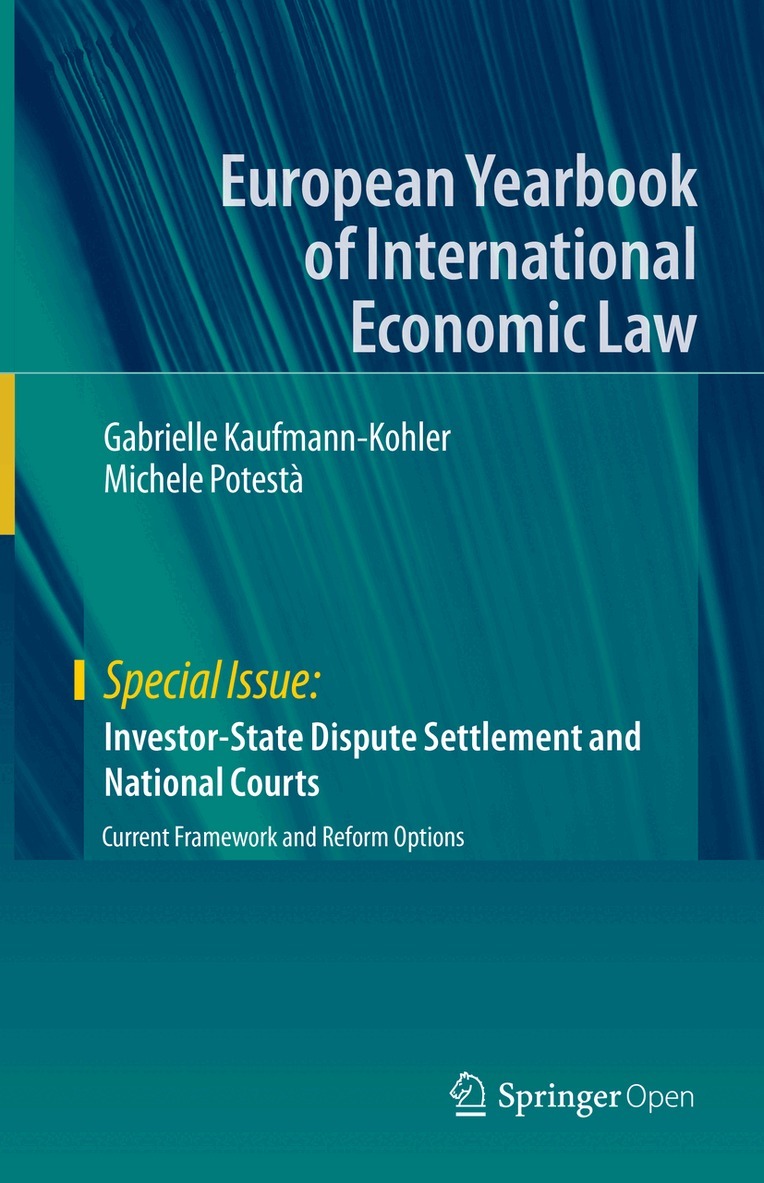
This open access book examines the multiple intersections between national and international courts in the field of investment protection, and suggests possible modes for regulating future jurisdictional interactions between domestic courts and international tribunals. The current system of foreign investment protection consists of more than 3,000 international investment agreements (IIAs), most of which provide for investment arbitration as the forum for the resolution of disputes between foreign investors and host States. However, national courts also have jurisdiction over certain matters involving cross-border investments. International investment tribunals and national courts thus interact in a number of ways, which range from harmonious co-existence to reinforcing complementation, reciprocal supervision and, occasionally, competition and discord. The book maps this complex relationship between dispute settlement bodies in the current investment treaty contextand assesses the potential role of domestic courts in future treaty frameworks that could emerge from the States’ current efforts to reform the system.The book concludes that, in certain areas of interaction between domestic courts and international investment tribunals, the “division of labor” between the two bodies is not always optimal, producing inefficiencies that burden the system as a whole. In these areas, there is a need for improvement by introducing a more fruitful allocation of tasks between domestic and international courts and tribunals – whatever form(s) the international mechanism for the settlement of investment disputes may take.Given its scope, the book contributes not only to legal analysis, but also to the policy reflections that are needed for ongoing efforts to reform investor-State dispute settlement.
Häftad, Engelska, 2020
402 kr
Skickas inom 10-15 vardagar
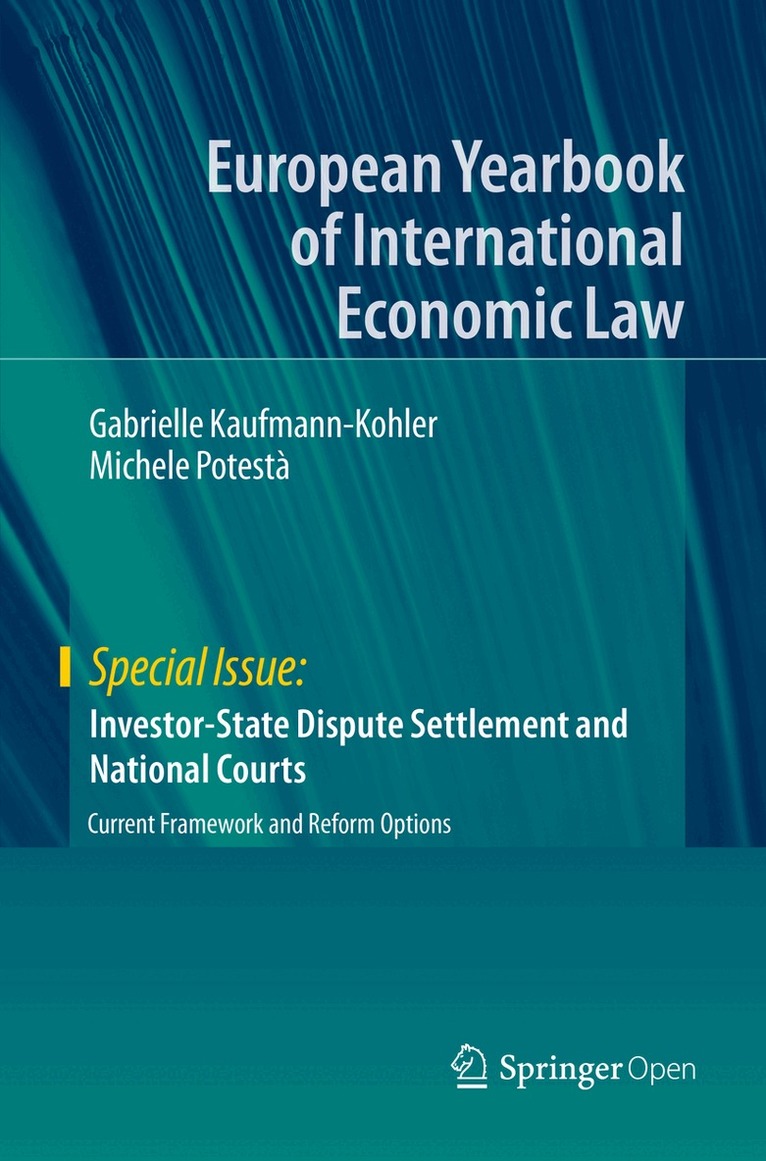
This open access book examines the multiple intersections between national and international courts in the field of investment protection, and suggests possible modes for regulating future jurisdictional interactions between domestic courts and international tribunals. The current system of foreign investment protection consists of more than 3,000 international investment agreements (IIAs), most of which provide for investment arbitration as the forum for the resolution of disputes between foreign investors and host States. However, national courts also have jurisdiction over certain matters involving cross-border investments. International investment tribunals and national courts thus interact in a number of ways, which range from harmonious co-existence to reinforcing complementation, reciprocal supervision and, occasionally, competition and discord. The book maps this complex relationship between dispute settlement bodies in the current investment treaty contextand assesses the potential role of domestic courts in future treaty frameworks that could emerge from the States’ current efforts to reform the system.The book concludes that, in certain areas of interaction between domestic courts and international investment tribunals, the “division of labor” between the two bodies is not always optimal, producing inefficiencies that burden the system as a whole. In these areas, there is a need for improvement by introducing a more fruitful allocation of tasks between domestic and international courts and tribunals – whatever form(s) the international mechanism for the settlement of investment disputes may take.Given its scope, the book contributes not only to legal analysis, but also to the policy reflections that are needed for ongoing efforts to reform investor-State dispute settlement.
E-bok
Engelska, 20252 200 kr
Läs direkt efter köp
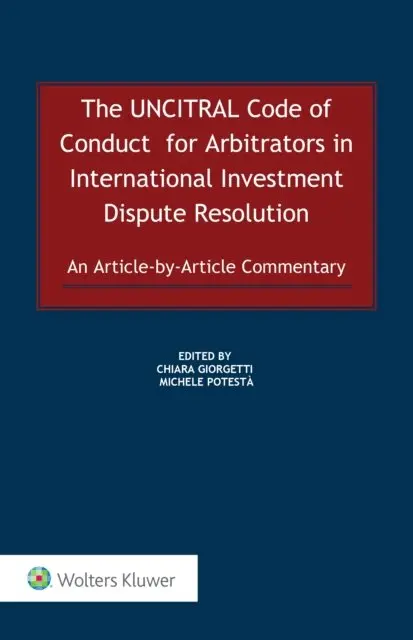
The 2023 UNCITRAL Code of Conduct for Arbitrators in International Investment Dispute Resolution is the first and significant element of the important process of reform in investor-State dispute settlement (ISDS). This book, written by experts active in its drafting and negotiation, is the first article-by-article commentary on the Code and presents an in-depth discussion of the Code's preparatory work, the negotiations and each provision. A comprehensive examination of independence, impartiality, and ethics in ISDS, the commentary includes wide-reaching consideration of essential aspects of the Code, including: rationales for each provision; tensions and concerns that each provision addresses; critical ethical issues such as double-hatting and repeat appointments; disclosure requirements; regulations on issues related to confidentiality; duties of diligence, integrity and competence; lessons learned from the drafting and negotiations; engagement with the viewpoints of States and other stakeholders; and accomplishments and potential shortcomings. This timely and detailed analysis of one of the key instruments of ISDS reform demonstrates that the Code reflects the most recent trends in the practice of international investment arbitration. The Commentary will surely provide an essential guide to practitioners, parties, and other stakeholders involved in ISDS proceedings through the issues and cases relating to arbitrator ethics.
E-bok
PDF, Engelska, 20252 200 kr
Läs direkt efter köp
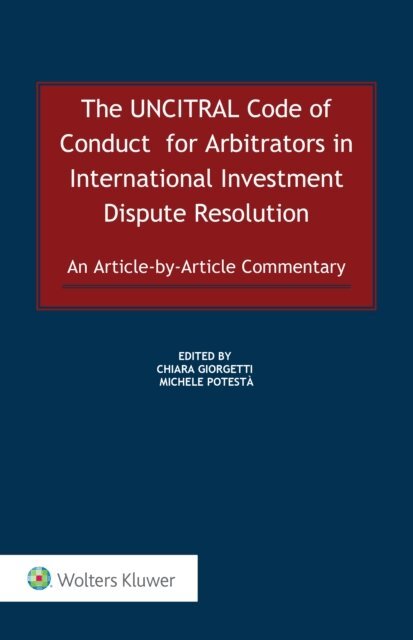
The 2023 UNCITRAL Code of Conduct for Arbitrators in International Investment Dispute Resolution is the first and significant element of the important process of reform in investor-State dispute settlement (ISDS). This book, written by experts active in its drafting and negotiation, is the first article-by-article commentary on the Code and presents an in-depth discussion of the Code's preparatory work, the negotiations and each provision. A comprehensive examination of independence, impartiality, and ethics in ISDS, the commentary includes wide-reaching consideration of essential aspects of the Code, including: rationales for each provision; tensions and concerns that each provision addresses; critical ethical issues such as double-hatting and repeat appointments; disclosure requirements; regulations on issues related to confidentiality; duties of diligence, integrity and competence; lessons learned from the drafting and negotiations; engagement with the viewpoints of States and other stakeholders; and accomplishments and potential shortcomings. This timely and detailed analysis of one of the key instruments of ISDS reform demonstrates that the Code reflects the most recent trends in the practice of international investment arbitration. The Commentary will surely provide an essential guide to practitioners, parties, and other stakeholders involved in ISDS proceedings through the issues and cases relating to arbitrator ethics.