Mie Nakachi – författare
Visar alla böcker från författaren Mie Nakachi. Handla med fri frakt och snabb leverans.
7 produkter
7 produkter
E-bok
Engelska, 2016267 kr
Läs direkt efter köp
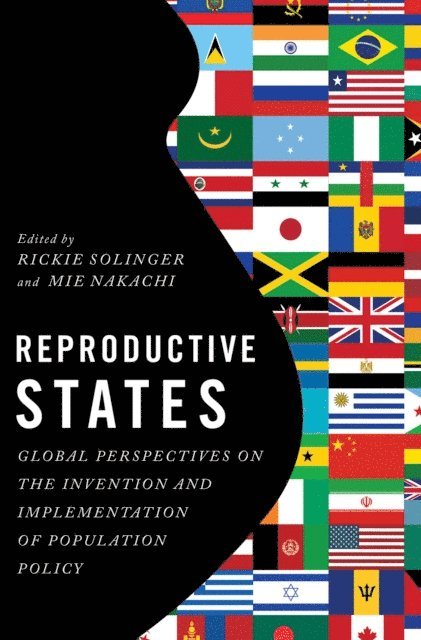
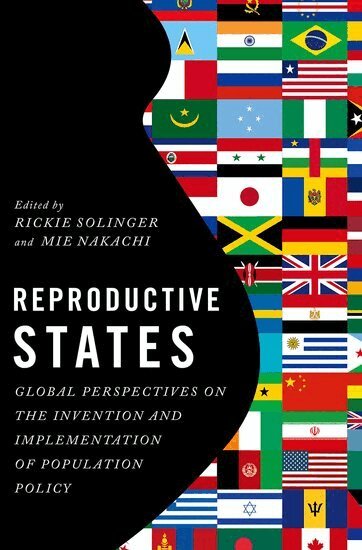
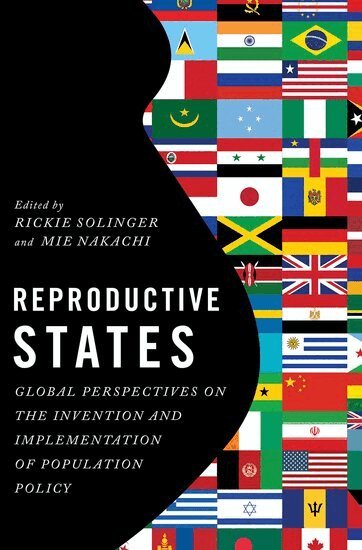
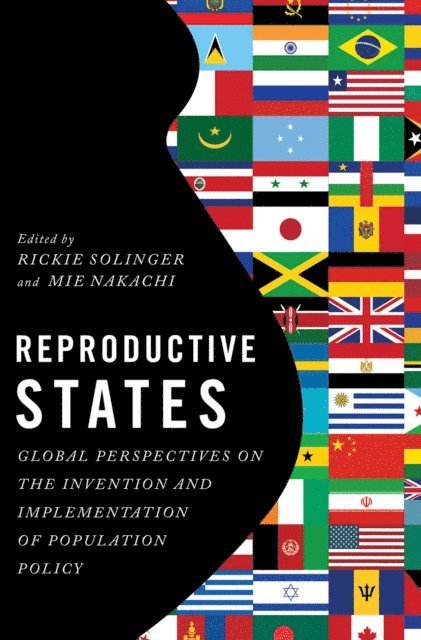
When it comes to government''s role in personal matters such as family planning, most bristle at any interference from the State on how to exercise their reproductive rights. China''s infamous "one child" policy is a well-known example of reproductive politics, but history is filled with other examples of governmental population control to advance its interests. Reproductive States is the first volume of a collection of case studies that explores when and how some of the most populous countries in the world invented and implemented state population policies in the 20th century.The authors, scholars specializing in reproductive politics, survey population policies from key countries on five continents to provide a global perspective. Regardless of the type of government or its cultural history, many of these countries have developed similar policies to control their populations and attempt to combat social problems such as poverty and hunger. However, the common denominator is that states have used women''s bodies as a political resource.Far from being just an overseas problem, this volume illustrates how other countries have developed their strategies in response to goals and tactics driven by the United Nations and the United States. Due to fears of a post-World War II "population bomb" and uncertainty of how to deal with the world''s poor after the Cold War, the U.S. and the Soviet Union led the charge among nations to devise strategies to control their populations, but in different ways. The U.S. and some European countries pressed the poor and ethnic minorities to limit reproduction. China''s "one child" policy targeted all ranks of society, while Soviet women (who already had few rights) were under surveillance through state-planned services such as medical care and commodity distribution to detect pregnancy.Interweaving biopolitics, gender studies, statecraft, and world systems, Reproductive States offer reflections on the outcome of such policies and their legacies in our day.
Inbunden, Engelska, 2021
492 kr
Skickas inom 5-8 vardagar
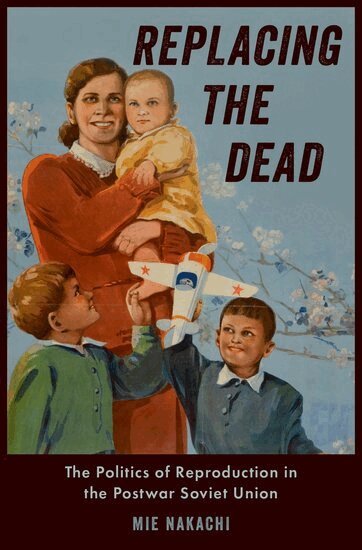
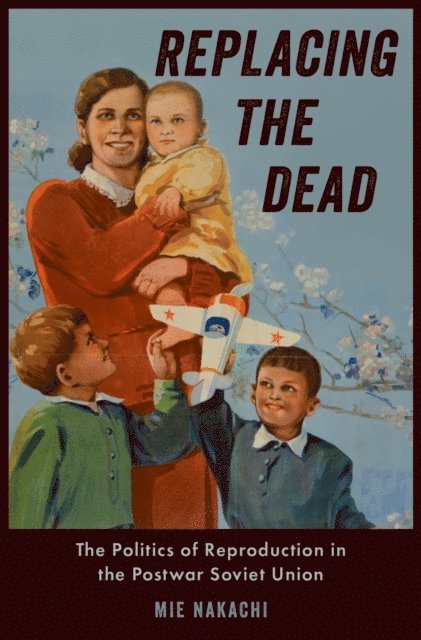
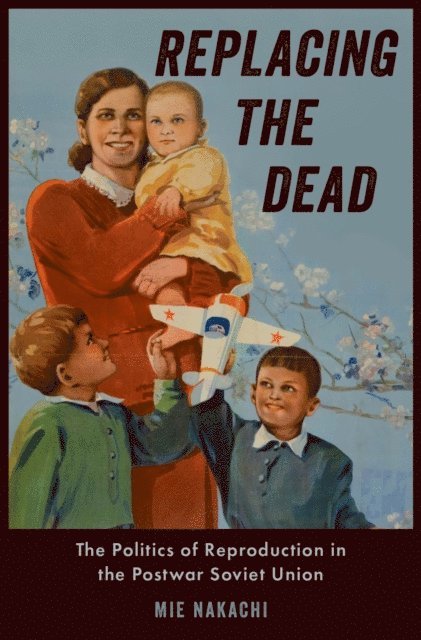
Drawing on never before used archival materials, Replacing the Dead exposes the history of Soviet and Russian abortion policy.It is not unusual for nations recovering from wars to incentivize their populations to raise their birthrates. The post-World War II Soviet pronatalism campaign attempted this on an unprecedented scale, aiming to replace a lost population of 27 million. Why, then, did the USSR re-legalize abortion in 1955? Mie Nakachi uses previously hidden archival data to reveal that decisions made by Stalin and Khruschev under the rubric of 'family law' created a society of broken marriages, “fatherless” children, and abortions, each totaling in the tens of millions. The government reversed laws regarding paternal responsibility, thereby encouraging men to impregnate unmarried women and widows, and blocked available contraception, overriding the advice of the medical establishment. Some 8.7 million out-of-wedlock children were born between 1945 and 1955 alone. In the absence of serious commitment to supporting Soviet women who worked full-time, the policy did extensive damage to gender relations and the welfare of women and children. Women, famous cultural figures, and Soviet professionals initiated a movement to improve women's reproductive health and make all children equal. Because Soviet leaders did not allow any major reform, an abortion culture grew among Soviet women and spread throughout the Soviet sphere, including Eastern Europe and China. Based on groundbreaking research, Replacing the Dead traces how the idea of women's right to an abortion emerged from an authoritarian society decades before it did in the West and why it remains the dominant method of birth control in present-day Russia.
E-bok
PDF, Engelska, 2020495 kr
Läs direkt efter köp
Drawing on never before used archival materials, Replacing the Dead exposes the history of Soviet and Russian abortion policy.It is not unusual for nations recovering from wars to incentivize their populations to raise their birthrates. The post-World War II Soviet pronatalism campaign attempted this on an unprecedented scale, aiming to replace a lost population of 27 million. Why, then, did the USSR re-legalize abortion in 1955?Mie Nakachi uses previously hidden archival data to reveal that decisions made by Stalin and Khruschev under the rubric of ''family law'' created a society of broken marriages, "fatherless" children, and abortions, each totaling in the tens of millions. The government reversed laws regarding paternal responsibility, thereby encouraging men to impregnate unmarried women and widows, and blocked available contraception, overriding the advice of the medical establishment. Some 8.7 million out-of-wedlock children were born between 1945 and 1955 alone. In the absence of serious commitment to supporting Soviet women who worked full-time, the policy did extensive damage to gender relations and the welfare of women and children. Women, famous cultural figures, and Soviet professionals initiated a movement to improve women''s reproductive health and make all children equal. Because Soviet leaders did not allow any major reform, an abortion culture grew among Soviet women and spread throughout the Soviet sphere, including Eastern Europe and China.Based on groundbreaking research, Replacing the Dead traces how the idea of women''s right to an abortion emerged from an authoritarian society decades before it did in the West and why it remains the dominant method of birth control in present-day Russia.
E-bok
Engelska, 2020495 kr
Läs direkt efter köp
Drawing on never before used archival materials, Replacing the Dead exposes the history of Soviet and Russian abortion policy.It is not unusual for nations recovering from wars to incentivize their populations to raise their birthrates. The post-World War II Soviet pronatalism campaign attempted this on an unprecedented scale, aiming to replace a lost population of 27 million. Why, then, did the USSR re-legalize abortion in 1955?Mie Nakachi uses previously hidden archival data to reveal that decisions made by Stalin and Khruschev under the rubric of ''family law'' created a society of broken marriages, "fatherless" children, and abortions, each totaling in the tens of millions. The government reversed laws regarding paternal responsibility, thereby encouraging men to impregnate unmarried women and widows, and blocked available contraception, overriding the advice of the medical establishment. Some 8.7 million out-of-wedlock children were born between 1945 and 1955 alone. In the absence of serious commitment to supporting Soviet women who worked full-time, the policy did extensive damage to gender relations and the welfare of women and children. Women, famous cultural figures, and Soviet professionals initiated a movement to improve women''s reproductive health and make all children equal. Because Soviet leaders did not allow any major reform, an abortion culture grew among Soviet women and spread throughout the Soviet sphere, including Eastern Europe and China.Based on groundbreaking research, Replacing the Dead traces how the idea of women''s right to an abortion emerged from an authoritarian society decades before it did in the West and why it remains the dominant method of birth control in present-day Russia.
Inbunden, Engelska, 2016
1 795 kr
Skickas inom 5-8 vardagar
Over the past hundred years, population policy has been a powerful tactic for achieving national goals. Whether the focus has been on increasing the birth rate to project strength and promote nation-building--as in Brazil in the 1960s, where the military government insisted that a "powerful nation meant a populous nation, " -- or on limiting population through contraception and sterilization as a means of combatting overpopulation, poverty, and various other social ills, states have always used women's bodies as a political resource. In Reproductive States, a group of international scholars--specialists in population and reproductive politics of Japan, Germany, India, Egypt, Nigeria, China, Brazil, the Soviet Union/Russia, and the United States--explore the population politics, policies and practices adopted in these countries and offer reflections on the outcomes of those policies and their legacies. The essays in this volume focus on the context that stimulated nations to develop demographic imperatives regarding population size and "quality," and consider how those imperatives became unique sets of priorities and strategies. They also illuminate how these nations crafted their own policies and practices, often while responding to United Nations- and U.S.- driven population goals, tactics, and interventions. The global perspective of this volume shines light on national specificities, including change over time within a nation, while also capturing interconnections among various national politics and discourses, including evolving constructions of the key and complex concept of "overpopulation."The first volume to survey population policies from key countries on five continents and to interweave gender politics, reproductive rights, statecraft, and world systems, Reproductive States will be an essential work for scholars of anthropology, women and gender studies, feminist theory, and biopolitics.
Häftad, Engelska, 2016
424 kr
Skickas inom 5-8 vardagar
Over the past hundred years, population policy has been a powerful tactic for achieving national goals. Whether the focus has been on increasing the birth rate to project strength and promote nation-building--as in Brazil in the 1960s, where the military government insisted that a "powerful nation meant a populous nation, " -- or on limiting population through contraception and sterilization as a means of combatting overpopulation, poverty, and various other social ills, states have always used women's bodies as a political resource. In Reproductive States, a group of international scholars--specialists in population and reproductive politics of Japan, Germany, India, Egypt, Nigeria, China, Brazil, the Soviet Union/Russia, and the United States--explore the population politics, policies and practices adopted in these countries and offer reflections on the outcomes of those policies and their legacies. The essays in this volume focus on the context that stimulated nations to develop demographic imperatives regarding population size and "quality," and consider how those imperatives became unique sets of priorities and strategies. They also illuminate how these nations crafted their own policies and practices, often while responding to United Nations- and U.S.- driven population goals, tactics, and interventions. The global perspective of this volume shines light on national specificities, including change over time within a nation, while also capturing interconnections among various national politics and discourses, including evolving constructions of the key and complex concept of "overpopulation."The first volume to survey population policies from key countries on five continents and to interweave gender politics, reproductive rights, statecraft, and world systems, Reproductive States will be an essential work for scholars of anthropology, women and gender studies, feminist theory, and biopolitics.
E-bok
PDF, Engelska, 2015267 kr
Läs direkt efter köp
When it comes to government''s role in personal matters such as family planning, most bristle at any interference from the State on how to exercise their reproductive rights. China''s infamous "one child" policy is a well-known example of reproductive politics, but history is filled with other examples of governmental population control to advance its interests. Reproductive States is the first volume of a collection of case studies that explores when and how some of the most populous countries in the world invented and implemented state population policies in the 20th century.The authors, scholars specializing in reproductive politics, survey population policies from key countries on five continents to provide a global perspective. Regardless of the type of government or its cultural history, many of these countries have developed similar policies to control their populations and attempt to combat social problems such as poverty and hunger. However, the common denominator is that states have used women''s bodies as a political resource.Far from being just an overseas problem, this volume illustrates how other countries have developed their strategies in response to goals and tactics driven by the United Nations and the United States. Due to fears of a post-World War II "population bomb" and uncertainty of how to deal with the world''s poor after the Cold War, the U.S. and the Soviet Union led the charge among nations to devise strategies to control their populations, but in different ways. The U.S. and some European countries pressed the poor and ethnic minorities to limit reproduction. China''s "one child" policy targeted all ranks of society, while Soviet women (who already had few rights) were under surveillance through state-planned services such as medical care and commodity distribution to detect pregnancy.Interweaving biopolitics, gender studies, statecraft, and world systems, Reproductive States offer reflections on the outcome of such policies and their legacies in our day.