Miguel Arnedo-Gomez - Böcker
Visar alla böcker från författaren Miguel Arnedo-Gomez. Handla med fri frakt och snabb leverans.
4 produkter
4 produkter
852 kr
Skickas inom 10-15 vardagar
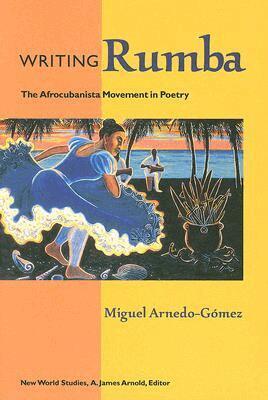
Arising in the heyday of the music recently made famous by the Buena Vista Social Club, Afrocubanismo was an artistic and intellectual movement in Cuba in the 1920s and 1930s that tried to convey a national and racial identity. Through poetry, this movement was the first serious attempt on the part of mostly white Cuban intellectuals to produce a national literature that incorporated elements from the Afro-Cuban traditions of lower-class urban blacks. One of its main objectives was to project an image of Cuban identity as a harmonious process of fusion between black and white people and cultures. The notion of a unified nation without racial conflicts and the idea of a mulatto Cuban culture and identity continue to play a prominent role in the Cuban imagination. The first book-length treatment of the poetry of this movement, ""Writing Rumba: The Afrocubanista Movement in Poetry"" questions the assumption that the poetry did manage to symbolize racial reconciliation and unification. At the same time, it reveals a process of literary transculturation by which the dominant literature of European origins was radically transformed through the incorporation of formal principles from Afro-Cuban dance and music forms. To make his case, Miguel Arnedo-Gomez establishes the nature of the movement's connections to Cuban blacks during this time, analyzes the poetry's links with the represented cultures on the basis of anthropological and ethnographic research, and explores the thought of leading figures of the movement, tying their discourse to specific sociocultural factors in Cuba at the time. Relating the poetry to music and dance, he further illuminates the interplay of power and culture in a social context. Essential for understanding Cuban nationalism and race relations today, ""Writing Rumba"" will appeal to an inter-disciplinary audience not only in regional, cultural, and anthropological fields but also in the fields of music, dance, and literature.
345 kr
Skickas inom 10-15 vardagar
Arising in the heyday of the music recently made famous by the Buena Vista Social Club, Afrocubanismo was an artistic and intellectual movement in Cuba in the 1920s and 1930s that tried to convey a national and racial identity. Through poetry, this movement was the first serious attempt on the part of mostly white Cuban intellectuals to produce a national literature that incorporated elements from the Afro-Cuban traditions of lower-class urban blacks. One of its main objectives was to project an image of Cuban identity as a harmonious process of fusion between black and white people and cultures. The notion of a unified nation without racial conflicts and the idea of a mulatto Cuban culture and identity continue to play a prominent role in the Cuban imagination. The first book-length treatment of the poetry of this movement, ""Writing Rumba: The Afrocubanista Movement in Poetry"" questions the assumption that the poetry did manage to symbolize racial reconciliation and unification. At the same time, it reveals a process of literary transculturation by which the dominant literature of European origins was radically transformed through the incorporation of formal principles from Afro-Cuban dance and music forms. To make his case, Miguel Arnedo-Gomez establishes the nature of the movement's connections to Cuban blacks during this time, analyzes the poetry's links with the represented cultures on the basis of anthropological and ethnographic research, and explores the thought of leading figures of the movement, tying their discourse to specific sociocultural factors in Cuba at the time. Relating the poetry to music and dance, he further illuminates the interplay of power and culture in a social context. Essential for understanding Cuban nationalism and race relations today, ""Writing Rumba"" will appeal to an inter-disciplinary audience not only in regional, cultural, and anthropological fields but also in the fields of music, dance, and literature.
Uniting Blacks in a Raceless Nation
Blackness, Afro-Cuban Culture, and Mestizaje in the Prose and Poetry of Nicolás Guillén
Inbunden, Engelska, 2016
1 467 kr
Skickas inom 10-15 vardagar
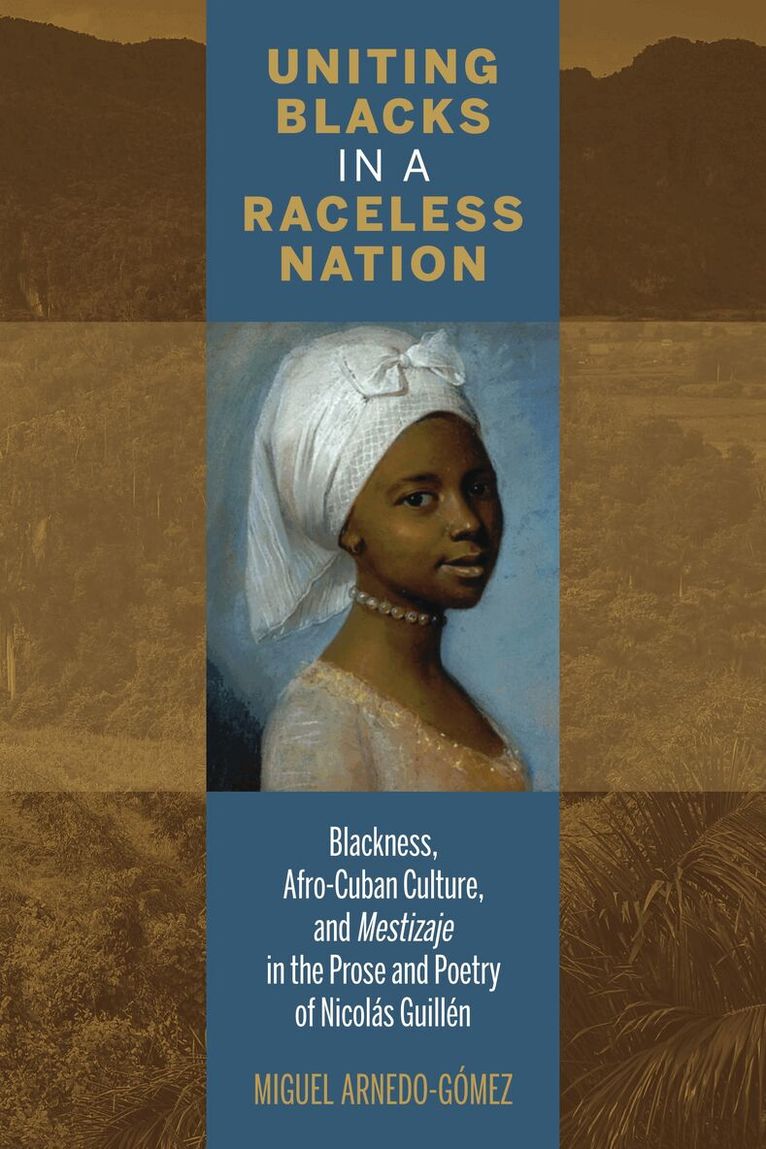
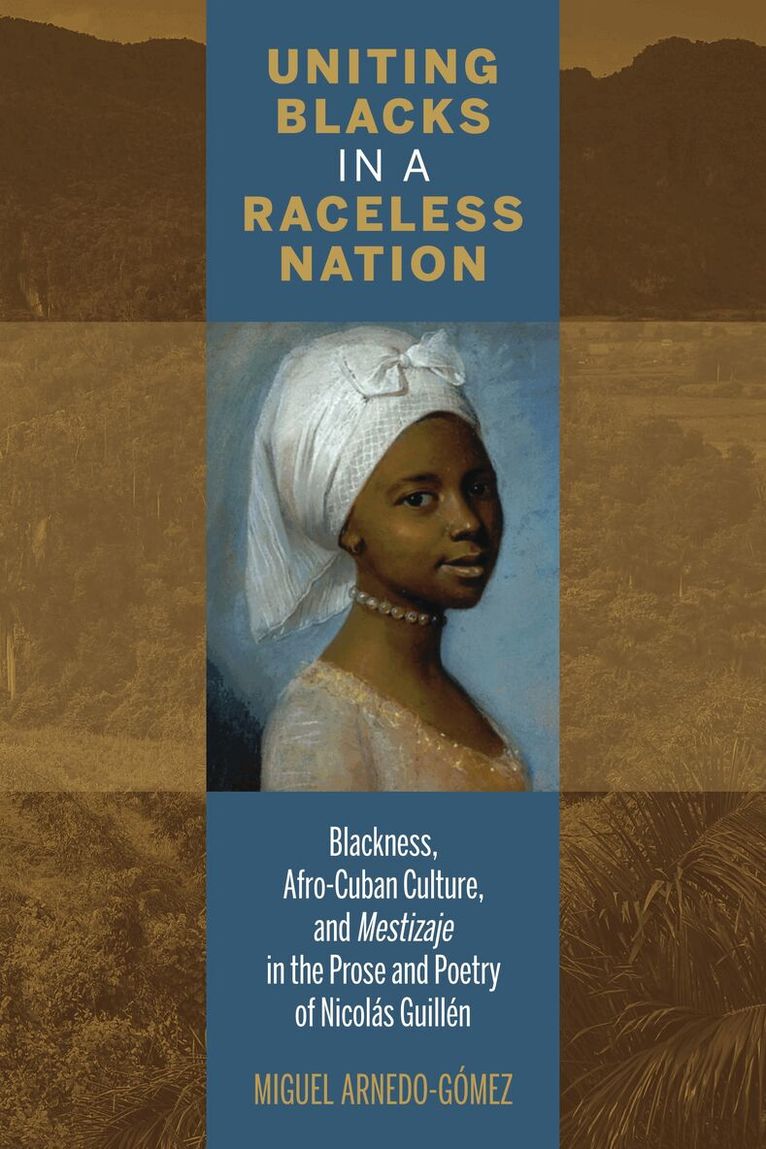
The Cuban writer Nicolás Guillén has traditionally been considered a poet of mestizaje, a term that, whilst denoting racial mixture, also refers to a homogenizing nationalist discourse that proclaims the harmonious nature of Cuban identity. Yet, many aspects of Guillén’s work enhance black Cuban and Afro-Cuban identities. Miguel Arnedo-Gómez explores this paradox in Guillén’s pre-Cuban Revolution writings placing them alongside contemporaneous intellectual discourses that feigned adherence to the homogenizing ideology whilst upholding black interests. On the basis of links with these and other 1930s Cuban discourses, Arnedo-Gómez shows Guillén’s work to contain a message of black unity aimed at the black middle classes. Furthermore, against a tendency to seek a single authorial consciousness—be it mulatto or based on a North American construction of blackness—Guillén’s prose and poetry are also characterized as a struggle for a viable identity in a socio-culturally heterogeneous society.
Uniting Blacks in a Raceless Nation
Blackness, Afro-Cuban Culture, and Mestizaje in the Prose and Poetry of Nicolás Guillén
Häftad, Engelska, 2019
622 kr
Skickas inom 10-15 vardagar
The Cuban writer Nicolás Guillén has traditionally been considered a poet of mestizaje, a term that, whilst denoting racial mixture, also refers to a homogenizing nationalist discourse that proclaims the harmonious nature of Cuban identity. Yet, many aspects of Guillén’s work enhance black Cuban and Afro-Cuban identities. Miguel Arnedo-Gómez explores this paradox in Guillén’s pre-Cuban Revolution writings placing them alongside contemporaneous intellectual discourses that feigned adherence to the homogenizing ideology whilst upholding black interests. On the basis of links with these and other 1930s Cuban discourses, Arnedo-Gómez shows Guillén’s work to contain a message of black unity aimed at the black middle classes. Furthermore, against a tendency to seek a single authorial consciousness—be it mulatto or based on a North American construction of blackness—Guillén’s prose and poetry are also characterized as a struggle for a viable identity in a socio-culturally heterogeneous society.