Mike Chopra-Gant – författare
Visar alla böcker från författaren Mike Chopra-Gant. Handla med fri frakt och snabb leverans.
5 produkter
5 produkter
E-bok
PDF, Engelska, 2005419 kr
Läs direkt efter köp
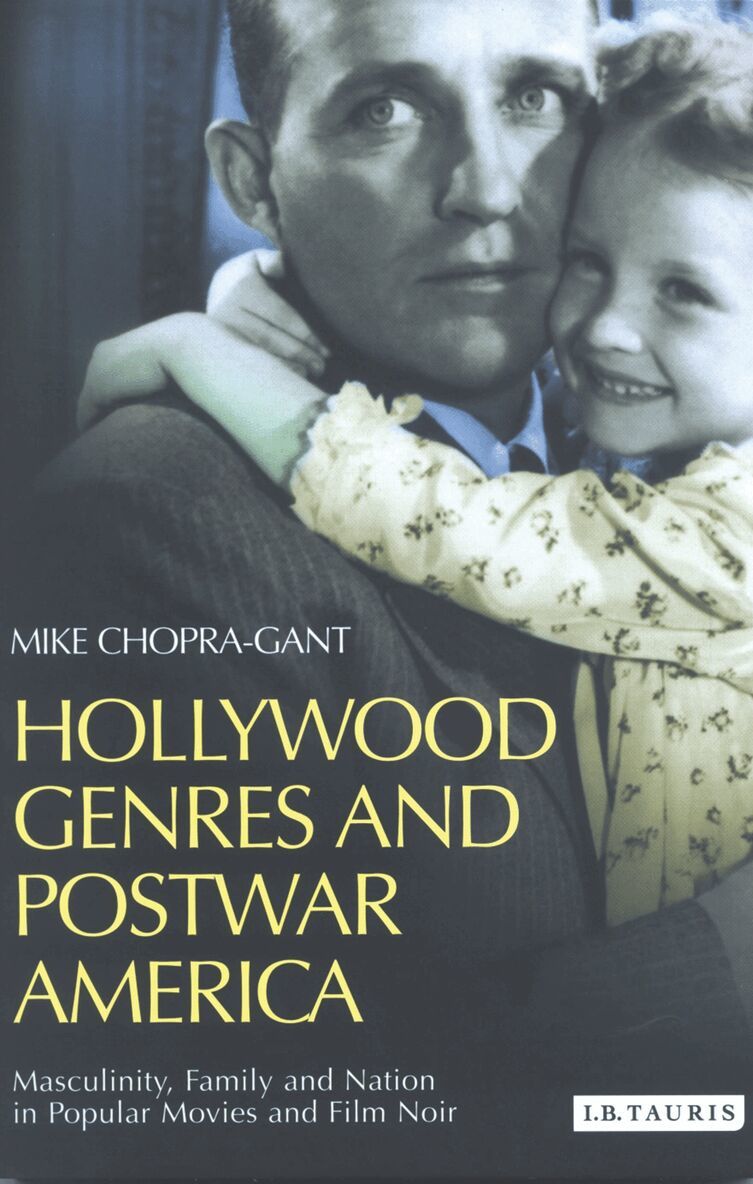
This is a clear and engrossing account of how popular films in America just after the close of the Second World War played out America's mood at that crucial time. It is also a revisionist challenge to received scholarly understanding of this mood, which has tended to be seen as characterized by an abiding pessimism most clearly manifested in the films noir of the period. Chopra-Gant makes here an important contribution to film genre, which proposes that the 'noir and Zeitgeist' reading is based on the retrospective promotion of selected movies. He turns to the top box office successes of the period, including "Best Years of our Lives", "The Jolson Story" and "Two Years Before the Mast", finding that these films emphasise rather the triumph of American beliefs in democracy, classlessness and individualism. They deploy positive, performative masculinities and the pleasures of male friendships and celebrate the traditional American family, while recognising the problems of 'momism' and absent fathers.
E-bok
PDF, Engelska, 2013419 kr
Läs direkt efter köp
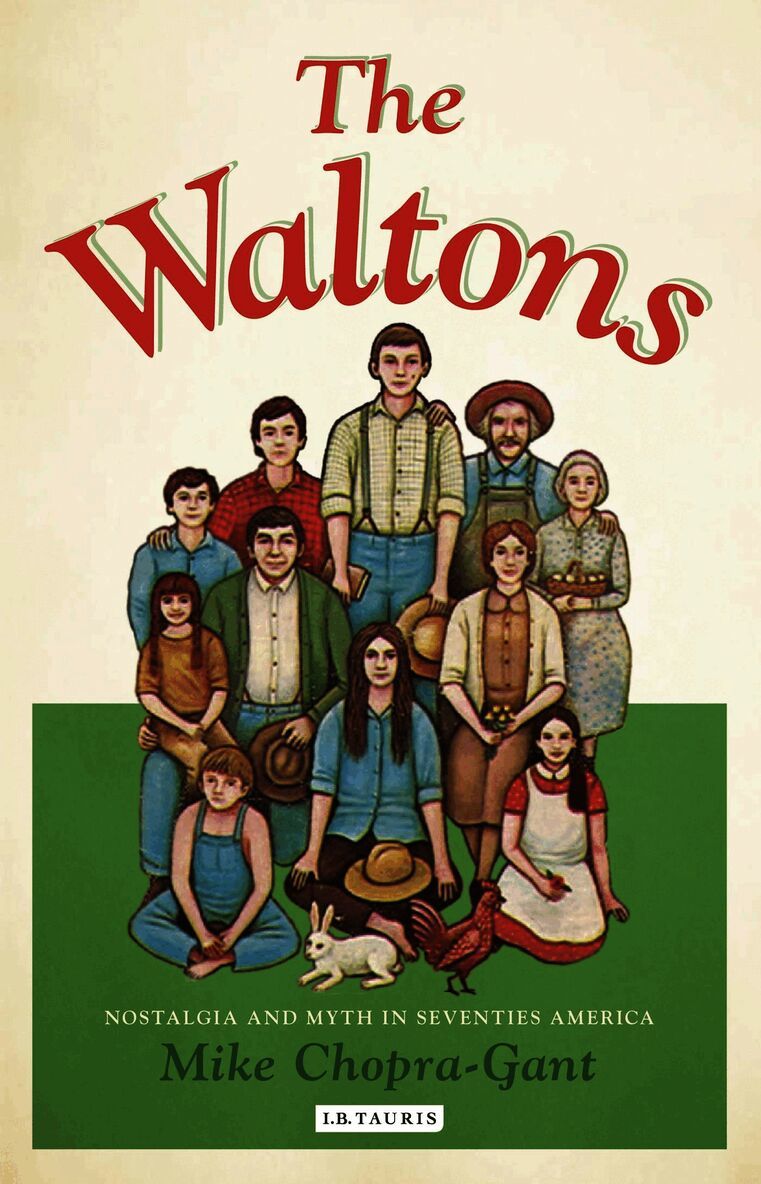
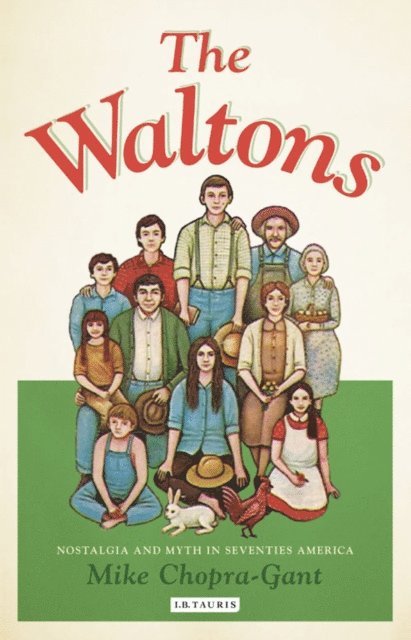
The period in which The Waltons appeared on television screens was socially and politically volatile; a testing time in which Americans grappled with 'stagflation', rising oil prices, defeat in Vietnam, political corruption at the highest levels and the aftermath of the seismic political shifts that originated in the countercultural movements of the preceding decade. In this fascinating book, Mike Chopra-Gant demonstrates how the Waltons offered 1970s America a reassuring vision of itself at this turbulent time, and displayed a nostalgic desire for a return to traditional conservative and paternalistic family values in the face of the shifts taking place in society. He examines its deployment of key myths of Americanness and positions the vision of family life offered by the show in the context of changing images of the family on television, from the conformity of the 1950s family in shows like Father Knows Best, through the strange families of the 1960s, such as The Munsters and The Addams Family and through to contemporary representations exemplified by the dysfunctional families of The Simpsons, Family Guy and American Dad.He also explores the show's representations of masculinity through three generations of men and its ambiguous depiction of strong women, whose demands for equality are met by apparent concessions that actually amount to a regressive restoration of female domesticity.
E-bok
Engelska, 2013394 kr
Läs direkt efter köp
The period in which The Waltons appeared on television screens was socially and politically volatile; a testing time in which Americans grappled with 'stagflation', rising oil prices, defeat in Vietnam, political corruption at the highest levels and the aftermath of the seismic political shifts that originated in the countercultural movements of the preceding decade. In this fascinating book, Mike Chopra-Gant demonstrates how the Waltons offered 1970s America a reassuring vision of itself at this turbulent time, and displayed a nostalgic desire for a return to traditional conservative and paternalistic family values in the face of the shifts taking place in society. He examines its deployment of key myths of Americanness and positions the vision of family life offered by the show in the context of changing images of the family on television, from the conformity of the 1950s family in shows like Father Knows Best, through the strange families of the 1960s, such as The Munsters and The Addams Family and through to contemporary representations exemplified by the dysfunctional families of The Simpsons, Family Guy and American Dad.He also explores the show's representations of masculinity through three generations of men and its ambiguous depiction of strong women, whose demands for equality are met by apparent concessions that actually amount to a regressive restoration of female domesticity.
Häftad, Engelska, 2013
369 kr
Skickas inom 5-8 vardagar
The period in which The Waltons appeared on television screens was socially and politically volatile; a testing time in which Americans grappled with 'stagflation', rising oil prices, defeat in Vietnam, political corruption at the highest levels and the aftermath of the seismic political shifts that originated in the countercultural movements of the preceding decade. In this fascinating book, Mike Chopra-Gant demonstrates how the Waltons offered 1970s America a reassuring vision of itself at this turbulent time, and displayed a nostalgic desire for a return to traditional conservative and paternalistic family values in the face of the shifts taking place in society. He examines its deployment of key myths of Americanness and positions the vision of family life offered by the show in the context of changing images of the family on television, from the conformity of the 1950s family in shows like Father Knows Best, through the strange families of the 1960s, such as The Munsters and The Addams Family and through to contemporary representations exemplified by the dysfunctional families of The Simpsons, Family Guy and American Dad.He also explores the show's representations of masculinity through three generations of men and its ambiguous depiction of strong women, whose demands for equality are met by apparent concessions that actually amount to a regressive restoration of female domesticity.
Häftad, Engelska, 2005
397 kr
Skickas inom 10-15 vardagar
This is a clear and engrossing account of how popular films in America just after the close of the Second World War played out America's mood at that crucial time. It is also a revisionist challenge to received scholarly understanding of this mood, which has tended to be seen as characterized by an abiding pessimism most clearly manifested in the films noir of the period. Chopra-Gant makes here an important contribution to film genre, which proposes that the 'noir and Zeitgeist' reading is based on the retrospective promotion of selected movies. He turns to the top box office successes of the period, including "Best Years of our Lives", "The Jolson Story" and "Two Years Before the Mast", finding that these films emphasise rather the triumph of American beliefs in democracy, classlessness and individualism. They deploy positive, performative masculinities and the pleasures of male friendships and celebrate the traditional American family, while recognising the problems of 'momism' and absent fathers.