Mike Gray – författare
Visar alla böcker från författaren Mike Gray. Handla med fri frakt och snabb leverans.
4 produkter
4 produkter
Häftad, Engelska, 2003
271 kr
Skickas inom 5-8 vardagar
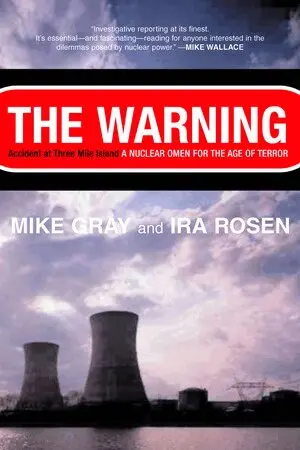
By 6:00 a.m. on the morning of March 28, 1979, the reactor core at Three Mile Island was thirty minutes away from a meltdown, an apocalypse that would render a huge swath of eastern Pennsylvania permanently uninhabitable. The control room crew, overwhelmed by flashing alarms and klaxon horns, is at a loss. The memo that would have warned them was never sent.Originally published in 1982, this factual, riveting thriller was the first account of the accident based on exclusive interviews with key operating personnel. Mike Gray, author of The China Syndrome, and Ira Rosen, former producer for CBS's 60 Minutes, have updated this jackhammer narrative of mechanical failure and human error with an analysis of the current threats to our nuclear power plants.Today the nuclear option is again on the table. Before we head down that road, it's important to understand what went wrong that fateful morning when the future of Harrisburg hung by a thread.
Häftad, Engelska, 1992
284 kr
Skickas inom 5-8 vardagar
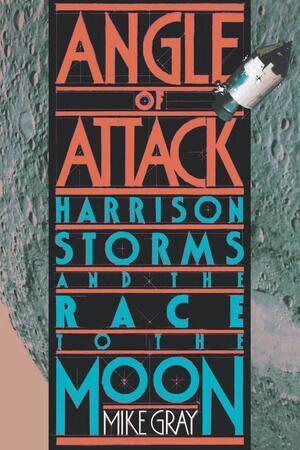
Centuries from now, when the Cold War is as remote as the War of Roses and the passions of our time have faded into footnotes, humanity will still remember July 16, 1969, the day the first human beings departed from earth bound for a landing on the moon. Angle of Attack turned out to be a story of ordinary people organized for an extraordinary purpose. It is an anthem to human cleverness, and it is a vivid reminder of what we are capable of when we choose to follow leaders with courage and vision.
Häftad, Engelska, 2007
163 kr
Skickas inom 5-8 vardagar
Inbunden, Engelska, 2013
2 249 kr
Skickas inom 11-20 vardagar
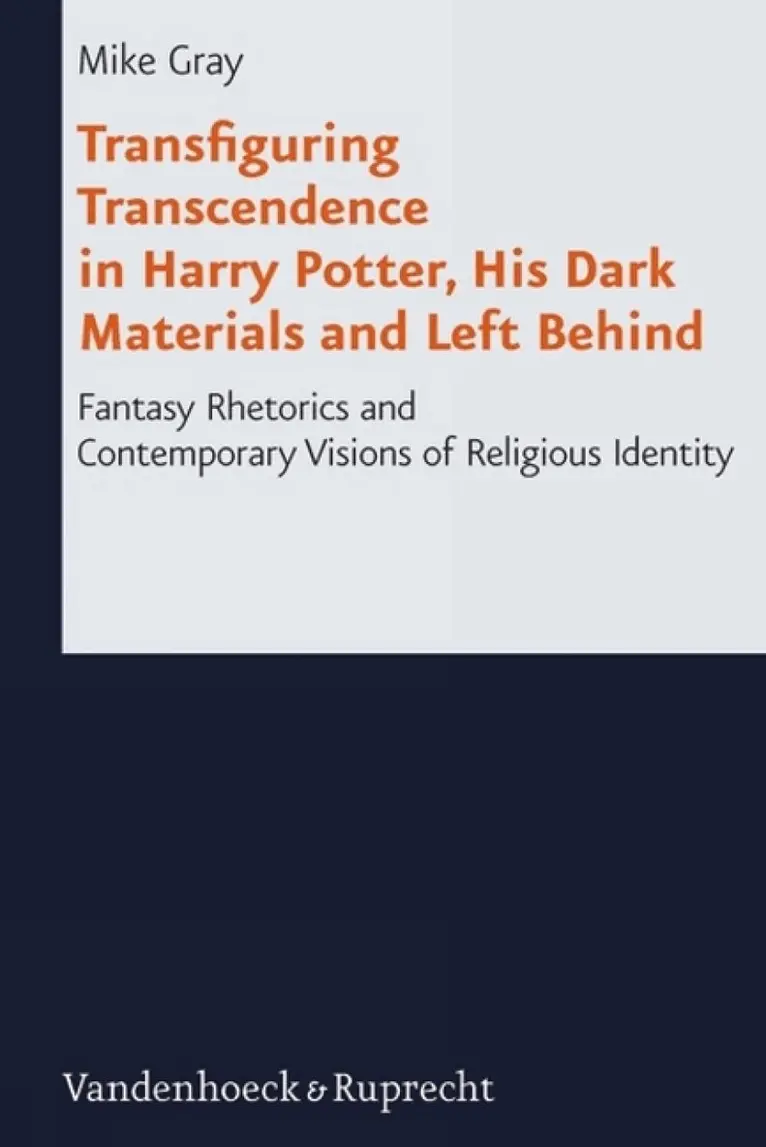
Three recent and commercially successful series of novels employ and adapt the resources of popular fantasy fiction to create visions of religious identity: J.K. Rowlings Harry Potter books, Phillip Pullmans Dark Materials and Tim LaHaye and Jerry Jenkins Left Behind series. The act of creating fantasy counter-worlds naturally involves all three stories in the creation of what Mike Gray terms transfigurations of transcendence: hopeful albeit paradoxical encodings of the ambiguous, non-observable reality whose primary locus in modern society is the societally extra-systemic human individual. Popular fantasy fiction turns out to involve acts of world-creation that are inherently religious and inherently paradoxical.A substantive examination shows that all three are involved in more or less intentional re-narrations of traditional Christian beliefs and narratives. The "atheist" His Dark Materials series does not deny but re-imagines the Christian visions of selfhood; the "traditionalist" Left Behind series does not simply replicate but modifies its own declared values; the apparent secularity of the Harry Potter series is shaped by its creative reception of Christian patterns and narratives. While the stories visions of selfhood clearly clash, the basic paradoxes involved in their struggle to articulate transcendence expose significant parallels and a productive conversation with the Christian tradition.It is not simply that popular fantasy fiction is theologically relevant the Christian Heilsgeschichte, too, proves to be highly relevant in popular culture. However, while far from obsolescent, models of religious identity in contemporary society require criticism and creativity and, as evinced most powerfully in the Harry Potter stories, a flair for constructive engagement with paradox. Three recent and commercially successful series of novels employ and adapt the resources of popular fantasy fiction to create visions of religious identity: J.K. Rowlings Harry Potter books, Phillip Pullmans Dark Materials and Tim LaHaye and Jerry Jenkins Left Behind series.The act of creating fantasy counter-worlds naturally involves all three stories in the creation of what Mike Gray terms transfigurations of transcendence: hopeful albeit paradoxical encodings of the ambiguous, non-observable reality whose primary locus in modern society is the societally extra-systemic human individual. Popular fantasy fiction turns out to involve acts of world-creation that are inherently religious and inherently paradoxical.A substantive examination shows that all three are involved in more or less intentional re-narrations of traditional Christian beliefs and narratives. The "atheist" His Dark Materials series does not deny but re-imagines the Christian visions of selfhood; the "traditionalist" Left Behind series does not simply replicate but modifies its own declared values; the apparent secularity of the Harry Potter series is shaped by its creative reception of Christian patterns and narratives. While the stories visions of selfhood clearly clash, the basic paradoxes involved in their struggle to articulate transcendence expose significant parallels and a productive conversation with the Christian tradition.It is not simply that popular fantasy fiction is theologically relevant the Christian Heilsgeschichte, too, proves to be highly relevant in popular culture. However, while far from obsolescent, models of religious identity in contemporary society require criticism and creativity and, as evinced most powerfully in the Harry Potter stories, a flair for constructive engagement with paradox.