Minqi Li – författare
Visar alla böcker från författaren Minqi Li. Handla med fri frakt och snabb leverans.
18 produkter
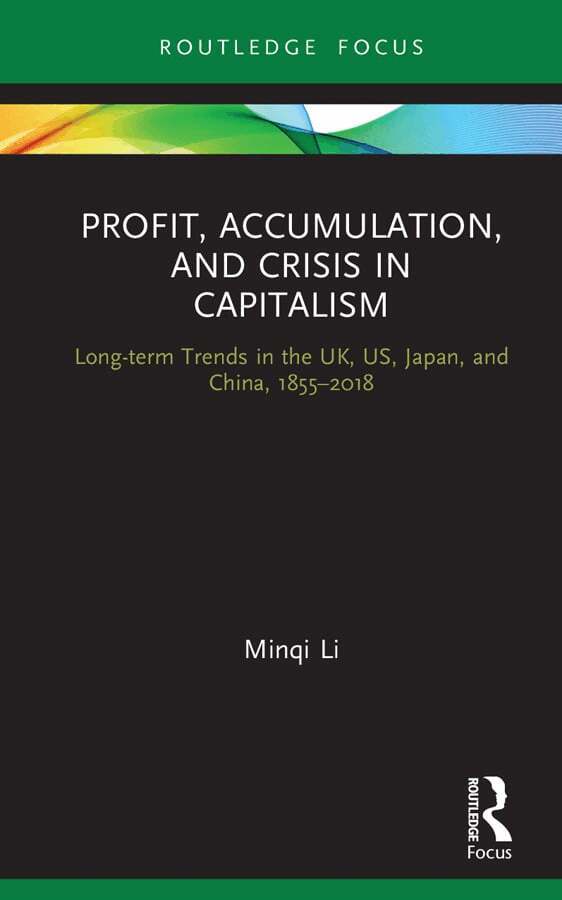
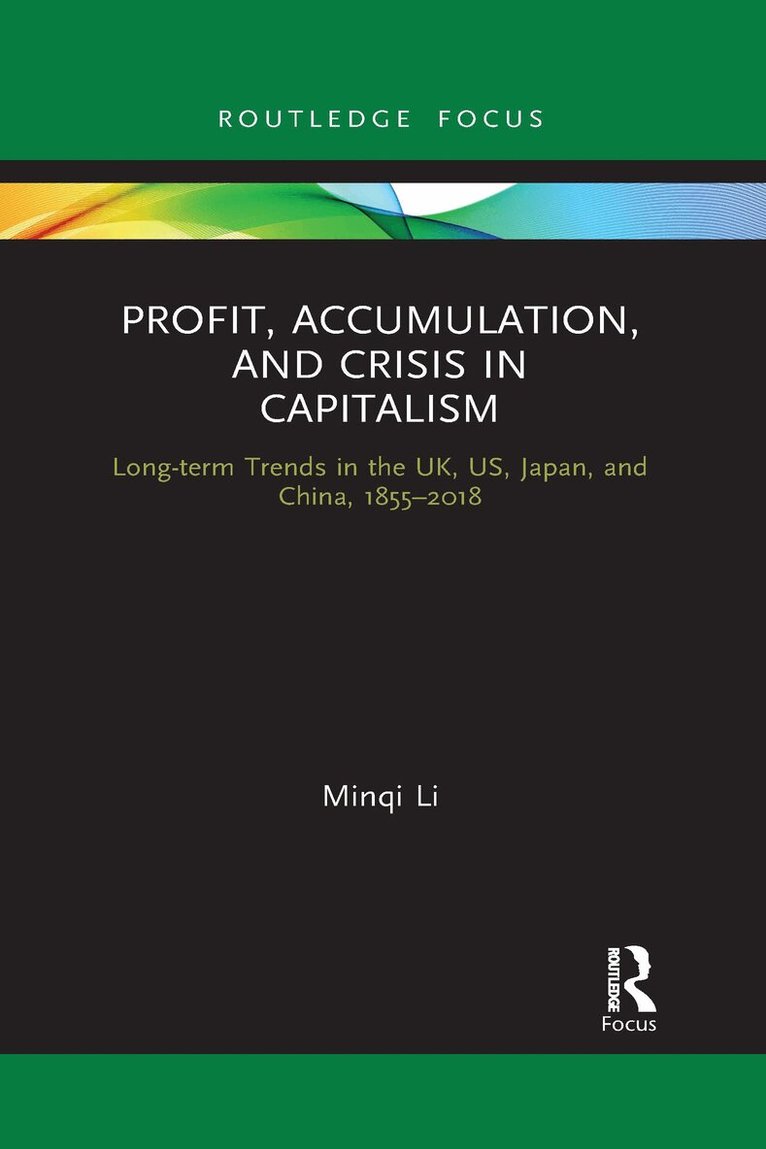
Profit, Accumulation, and Crisis in Capitalism
Long-term Trends in the UK, US, Japan, and China, 1855–2018
Av Minqi Li
Inbunden, 2020
1024 kr
Lägg i varukorg
Karl Marx hypothesized that there is a long-term tendency for the profit rate to fall in capitalist economies. Immanuel Wallerstein hypothesized that capitalist development tends to drive up labor cost, material cost, and taxation cost. This book evaluates Marx’s and Wallerstein’s hypotheses by …
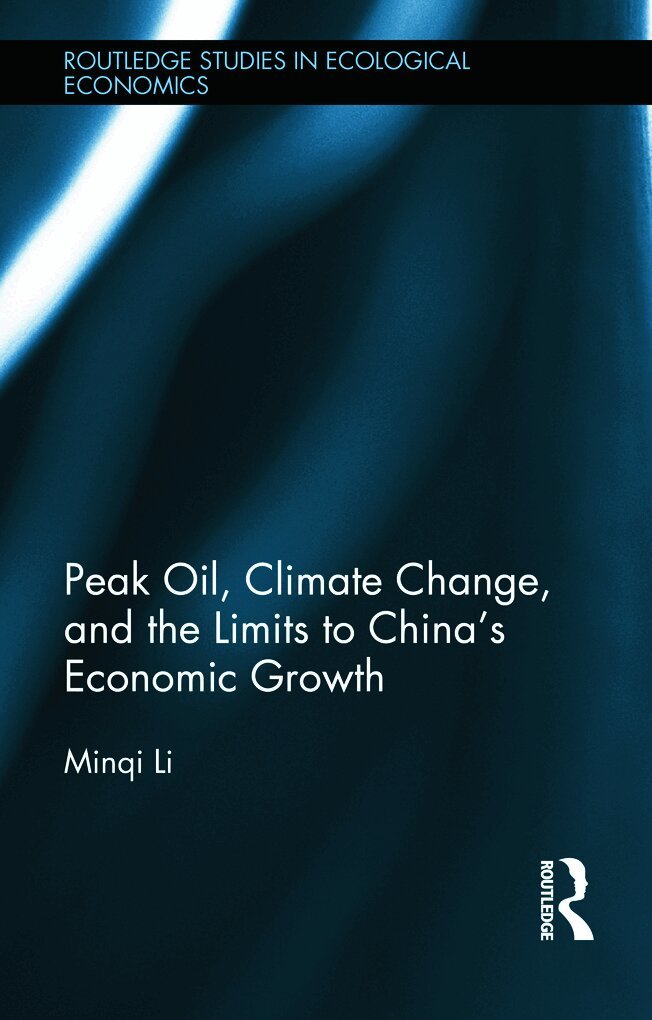
Peak Oil, Climate Change, and the Limits to China’s Economic Growth
Av Minqi Li
Inbunden, 2014
2578 kr
Lägg i varukorg
This book studies the limits imposed by the depletion of fossil fuels and the requirements of climate stabilization on economic growth with a focus on China. The book intends to examine the potentials of various energy resources, including oil, natural gas, coal, nuclear, wind, solar, and other …
Profit, Accumulation, and Crisis in Capitalism
Long-term Trends in the UK, US, Japan, and China, 1855-2018
Av Minqi Li
E-bok, 2020
446 kr
Lägg i varukorg
Karl Marx hypothesized that there is a long-term tendency for the profit rate to fall in capitalist economies. Immanuel Wallerstein hypothesized that capitalist development tends to drive up labor cost, material cost, and taxation cost. This book evaluates Marx’s and Wallerstein’s hypotheses by …
Profit, Accumulation, and Crisis in Capitalism
Long-term Trends in the UK, US, Japan, and China, 1855-2018
Av Minqi Li
E-bok, 2020
432 kr
Lägg i varukorg
Karl Marx hypothesized that there is a long-term tendency for the profit rate to fall in capitalist economies. Immanuel Wallerstein hypothesized that capitalist development tends to drive up labor cost, material cost, and taxation cost. This book evaluates Marx’s and Wallerstein’s hypotheses by …
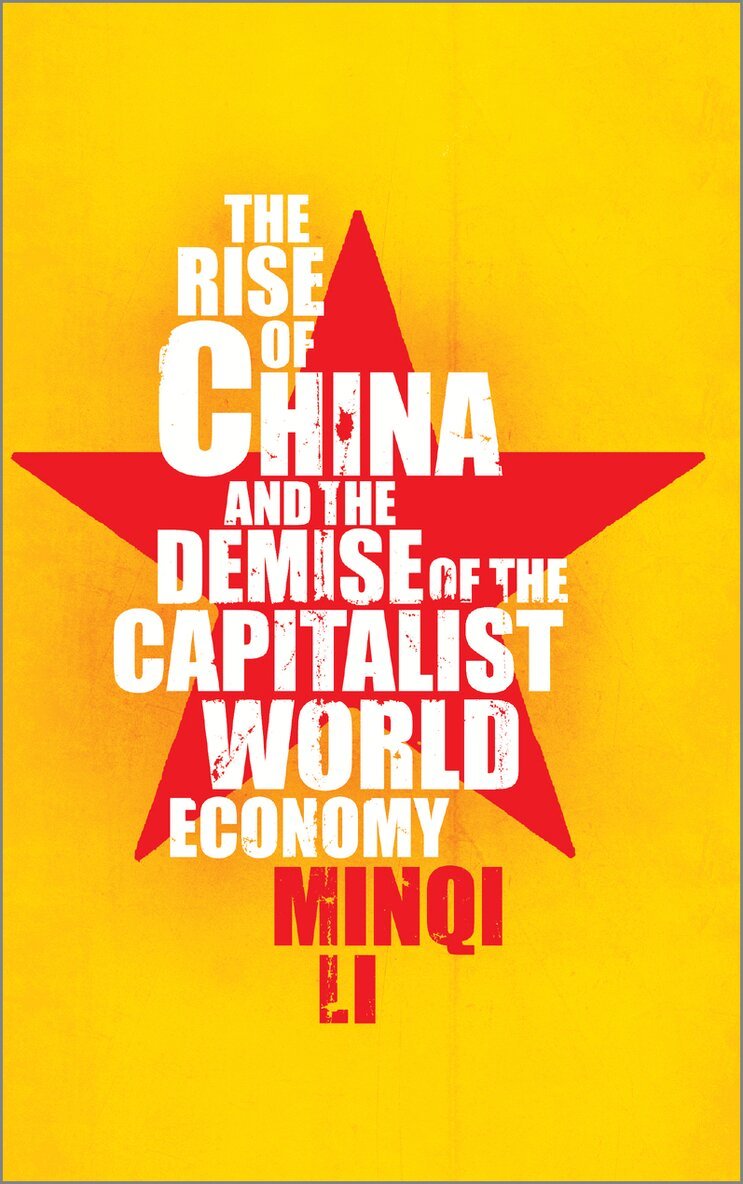
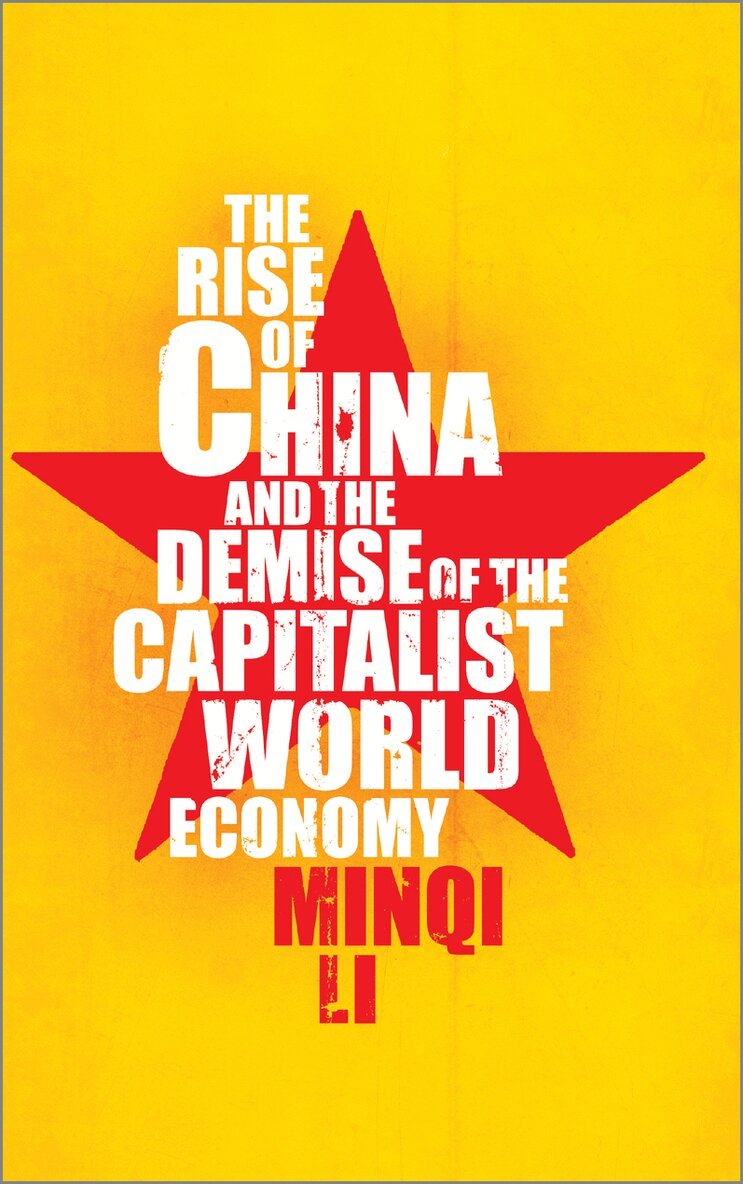
Rise of China and the Demise of the Capitalist World-Economy
Av Minqi Li
Häftad, 2008
357 kr
Lägg i varukorg
China's increasing power in the global economy is destabilizing the established system. This book analyses the possible historical trajectories of China and the capitalist world-economy in the twenty-first century.Minqi Li examines the future global prospects from the perspectives of Marxism, …
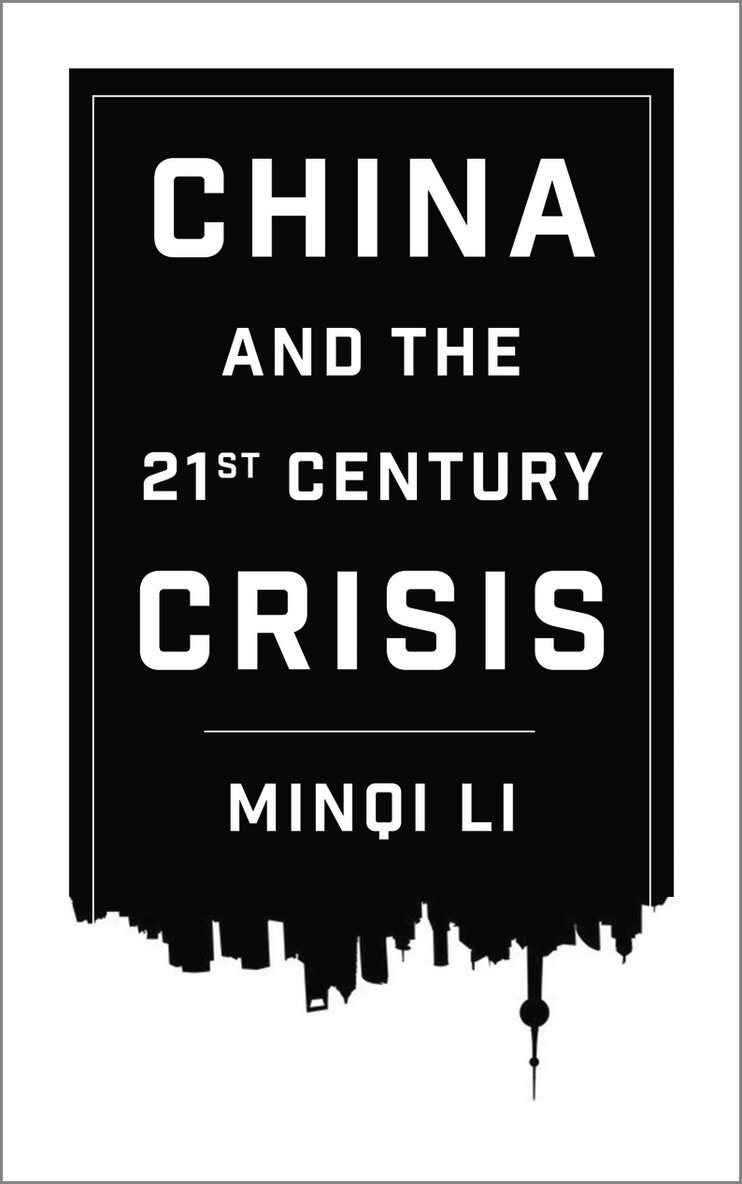
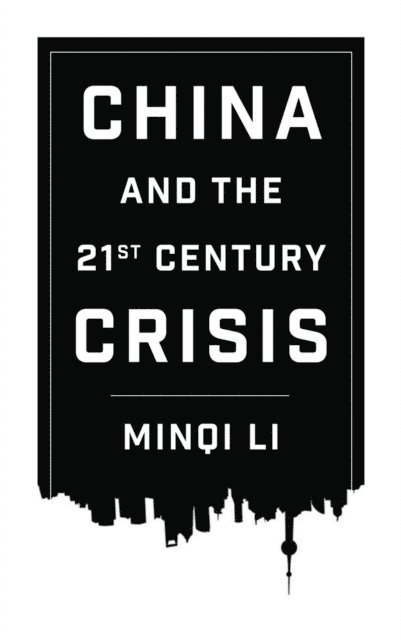
China and the 21st Century Crisis
Av Minqi Li
Inbunden, 2015
943 kr
Lägg i varukorg
The USA is widely seen as the country at the centre of the recent economic crash. But will this be the case the next time the system goes into shock? This book analyses how the political and economic imbalances in China will exacerbate system collapse, and how this could happen much sooner than we …
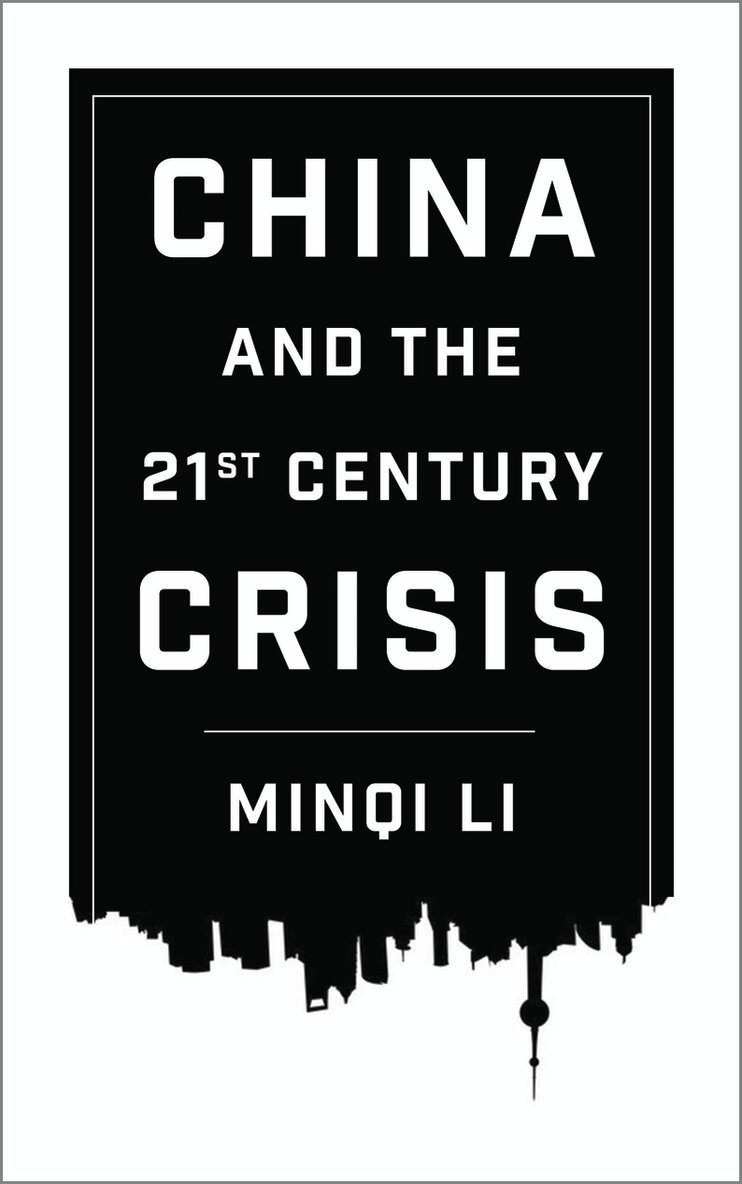
China and the 21st Century Crisis
Av Minqi Li
Häftad, 2015
438 kr
Lägg i varukorg
The USA is widely seen as the country at the centre of the recent economic crash. But will this be the case the next time the system goes into shock? This book analyses how the political and economic imbalances in China will exacerbate system collapse, and how this could happen much sooner than we …
Profit, Accumulation, and Crisis in Capitalism
Long-term Trends in the UK, US, Japan, and China, 1855–2018
Av Minqi Li
Häftad, 2022
381 kr
Lägg i varukorg
Karl Marx hypothesized that there is a long-term tendency for the profit rate to fall in capitalist economies. Immanuel Wallerstein hypothesized that capitalist development tends to drive up labor cost, material cost, and taxation cost. This book evaluates Marx’s and Wallerstein’s hypotheses by …
Peak Oil, Climate Change, and the Limits to China’s Economic Growth
Av Minqi Li
Häftad, 2017
844 kr
Lägg i varukorg
This book studies the limits imposed by the depletion of fossil fuels and the requirements of climate stabilization on economic growth with a focus on China. The book intends to examine the potentials of various energy resources, including oil, natural gas, coal, nuclear, wind, solar, and other …
Peak Oil, Climate Change, and the Limits to China's Economic Growth
Av Minqi Li
E-bok, 2014
999 kr
Lägg i varukorg
This book studies the limits imposed by the depletion of fossil fuels and the requirements of climate stabilization on economic growth with a focus on China. The book intends to examine the potentials of various energy resources, including oil, natural gas, coal, nuclear, wind, solar, and other …
Peak Oil, Climate Change, and the Limits to China's Economic Growth
Av Minqi Li
E-bok, 2014
970 kr
Lägg i varukorg
This book studies the limits imposed by the depletion of fossil fuels and the requirements of climate stabilization on economic growth with a focus on China. The book intends to examine the potentials of various energy resources, including oil, natural gas, coal, nuclear, wind, solar, and other …
Rise of China and the Demise of the Capitalist World Economy
Av Minqi Li
Häftad, 2009
391 kr
Lägg i varukorg
China and the 21st Century Crisis
Av Minqi Li
E-bok, 2015
153 kr
Lägg i varukorg
The USA is widely seen as the country at the centre of the recent economic crash. But will this be the case the next time the system goes into shock? This book analyses how the political and economic imbalances in China will exacerbate system collapse, and how this could happen much sooner than we …
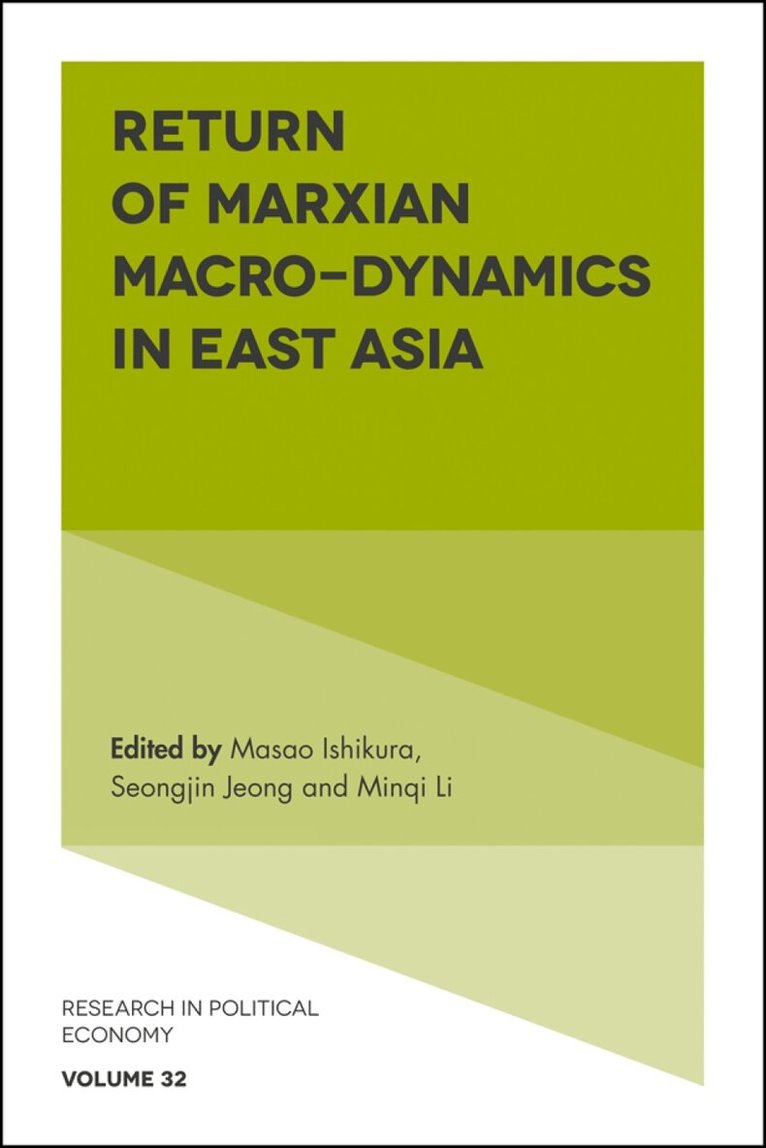
Return of Marxian Macro-dynamics in East Asia
Av Minqi Li, Seongjin Jeong m. fl.
E-bok, 2017
1482 kr
Lägg i varukorg
The economic growth in East Asia has been believed to be the model case of the triumph of capitalism. Some progressive economists, for example, the developmental state theorists, also praised the East Asian model as the progressive alternative to neoliberal market fundamentalism, arguing that they …
Return of Marxian Macro-dynamics in East Asia
Av Masao Ishikura, Seongjin Jeong m. fl.
Inbunden, 2017
1360 kr
Lägg i varukorg
The economic growth in East Asia has been believed to be the model case of the triumph of capitalism. Some progressive economists, for example, the developmental state theorists, also praised the East Asian model as the progressive alternative to neoliberal market fundamentalism, arguing that they …
Return of Marxian Macro-dynamics in East Asia
Av Minqi Li, Seongjin Jeong m. fl.
E-bok, 2017
1482 kr
Lägg i varukorg
The economic growth in East Asia has been believed to be the model case of the triumph of capitalism. Some progressive economists, for example, the developmental state theorists, also praised the East Asian model as the progressive alternative to neoliberal market fundamentalism, arguing that they …
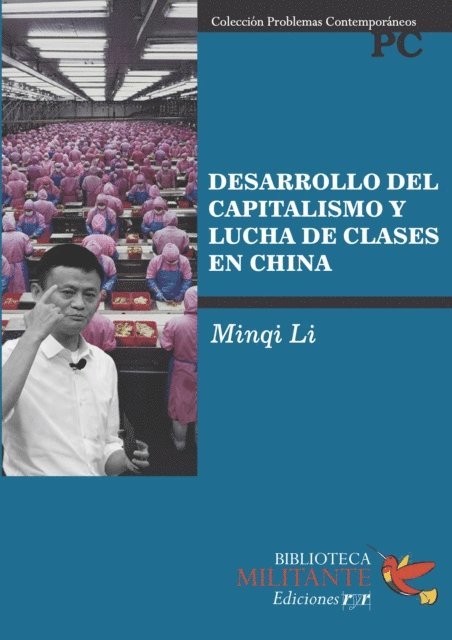
Desarrollo del capitalismo y lucha de clases en China
Av Minqi Li
E-bok, 2024
102 kr
Lägg i varukorg
Desarrollo del capitalismo y lucha de clases en China es, en primer lugar, una minuciosa reconstrucción de la trayectoria particular de la experiencia revolucionaria china y la ulterior restauración capitalista. Del complejo vínculo entre el poder organizado de la clase obrera, las relaciones …
Rise of China and the Demise of the Capitalist World-Economy
Av Minqi Li
Inbunden, 2008
943 kr
Tillfälligt slut
China's increasing power in the global economy is destabilizing the established system. This book analyses the possible historical trajectories of China and the capitalist world-economy in the twenty-first century.Minqi Li examines the future global prospects from the perspectives of Marxism, …