Mira K. Desai - Böcker
Visar alla böcker från författaren Mira K. Desai. Handla med fri frakt och snabb leverans.
3 produkter
3 produkter
2 100 kr
Skickas inom 10-15 vardagar
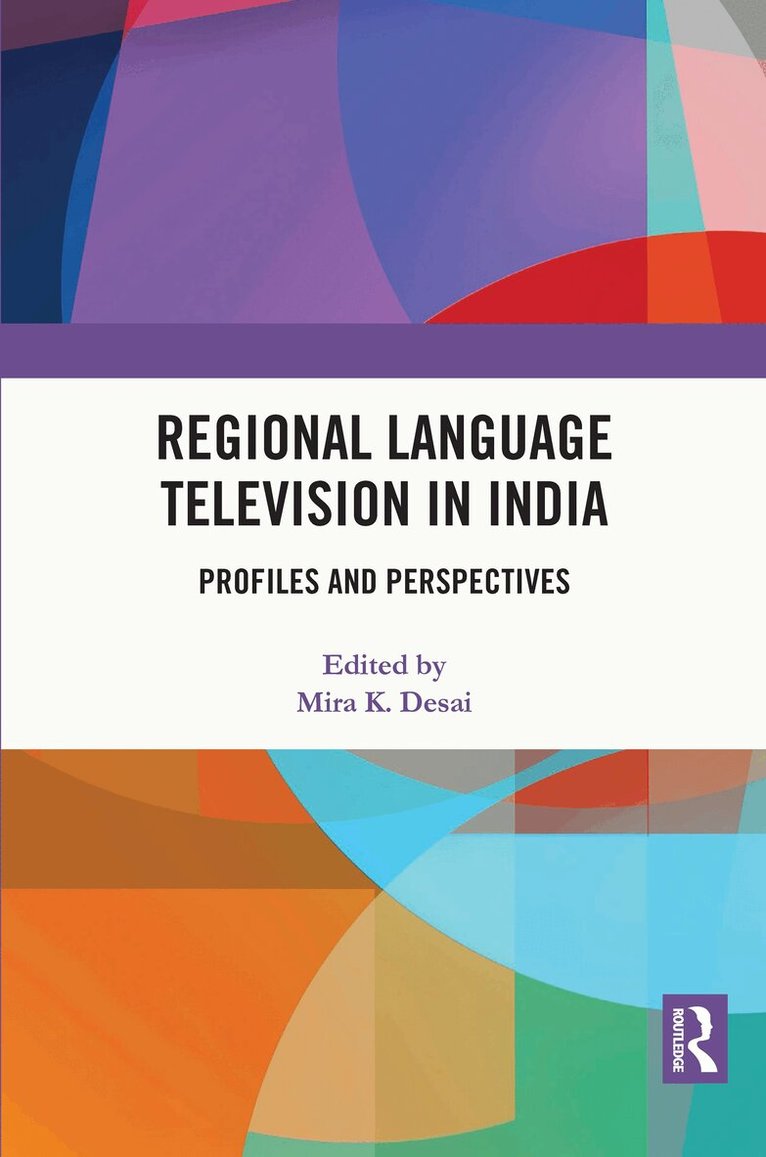
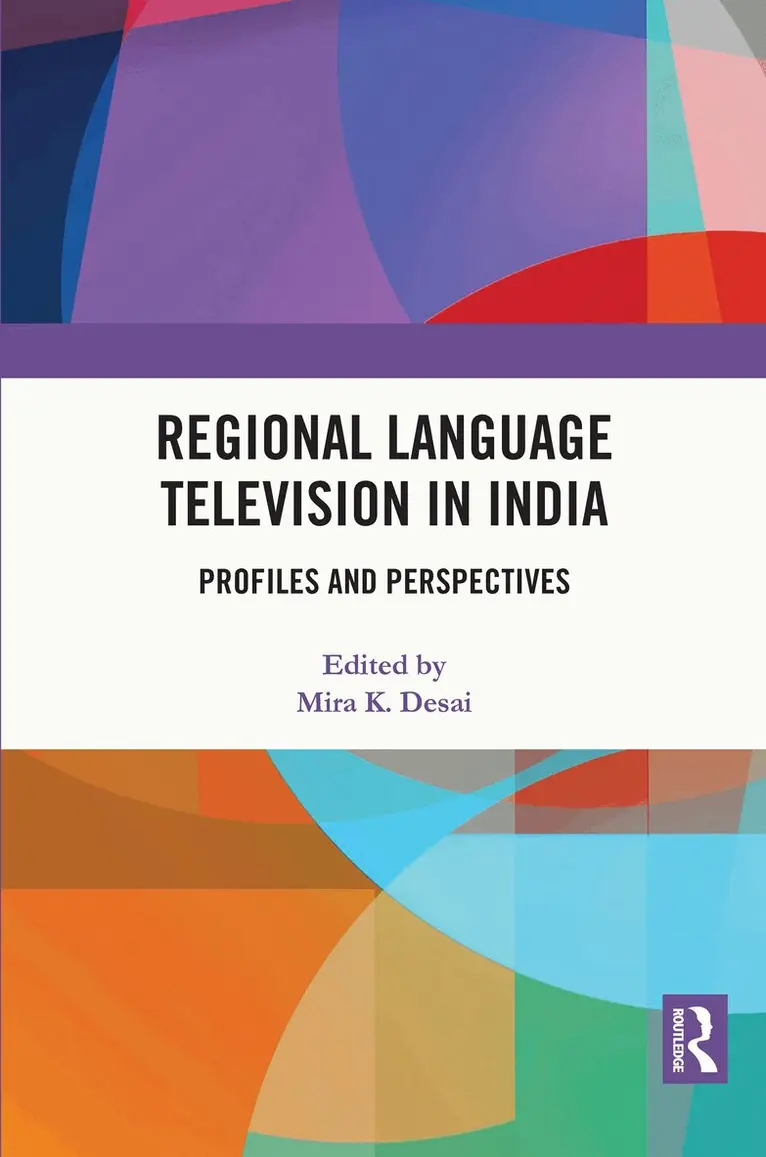
This book examines the evolution and journey of regional language television channels in India. The first of its kind, it looks at the coverage, uniqueness, ownership, and audiences of regional channels in 14 different languages across India, covering Hindi, Bengali, Marathi, Telugu, Tamil, Urdu, Assamese, Bhojpuri, Gujarati, Kannada, Kashmiri, Odia, Punjabi, and Malayalam. It brings together researchers, scholars, media professionals, and communication teachers to document and reflect on language as the site of culture, politics, market, and social representation.The volume discusses multiple media histories and their interlinkages from a subcontinental perspective by exploring the trajectories of regional language television through geographical boundaries, state, language, identities, and culture. It offers comparative analyses across regional language television channels and presents interpretive insights on television culture and commerce, contemporary challenges, mass media technology, and future relevance.Rich in empirical data, this book will be an essential read for scholars and researchers of media studies, television studies, communication studies, sociology, political studies, language studies, regional studies, and South Asian studies. It will also be useful to professionals and industry bodies in television media and is broadcasting, journalists, and television channels.
614 kr
Skickas inom 10-15 vardagar
This book examines the evolution and journey of regional language television channels in India. The first of its kind, it looks at the coverage, uniqueness, ownership, and audiences of regional channels in 14 different languages across India, covering Hindi, Bengali, Marathi, Telugu, Tamil, Urdu, Assamese, Bhojpuri, Gujarati, Kannada, Kashmiri, Odia, Punjabi, and Malayalam. It brings together researchers, scholars, media professionals, and communication teachers to document and reflect on language as the site of culture, politics, market, and social representation.The volume discusses multiple media histories and their interlinkages from a subcontinental perspective by exploring the trajectories of regional language television through geographical boundaries, state, language, identities, and culture. It offers comparative analyses across regional language television channels and presents interpretive insights on television culture and commerce, contemporary challenges, mass media technology, and future relevance.Rich in empirical data, this book will be an essential read for scholars and researchers of media studies, television studies, communication studies, sociology, political studies, language studies, regional studies, and South Asian studies. It will also be useful to professionals and industry bodies in television media and is broadcasting, journalists, and television channels.
2 258 kr
Kommande
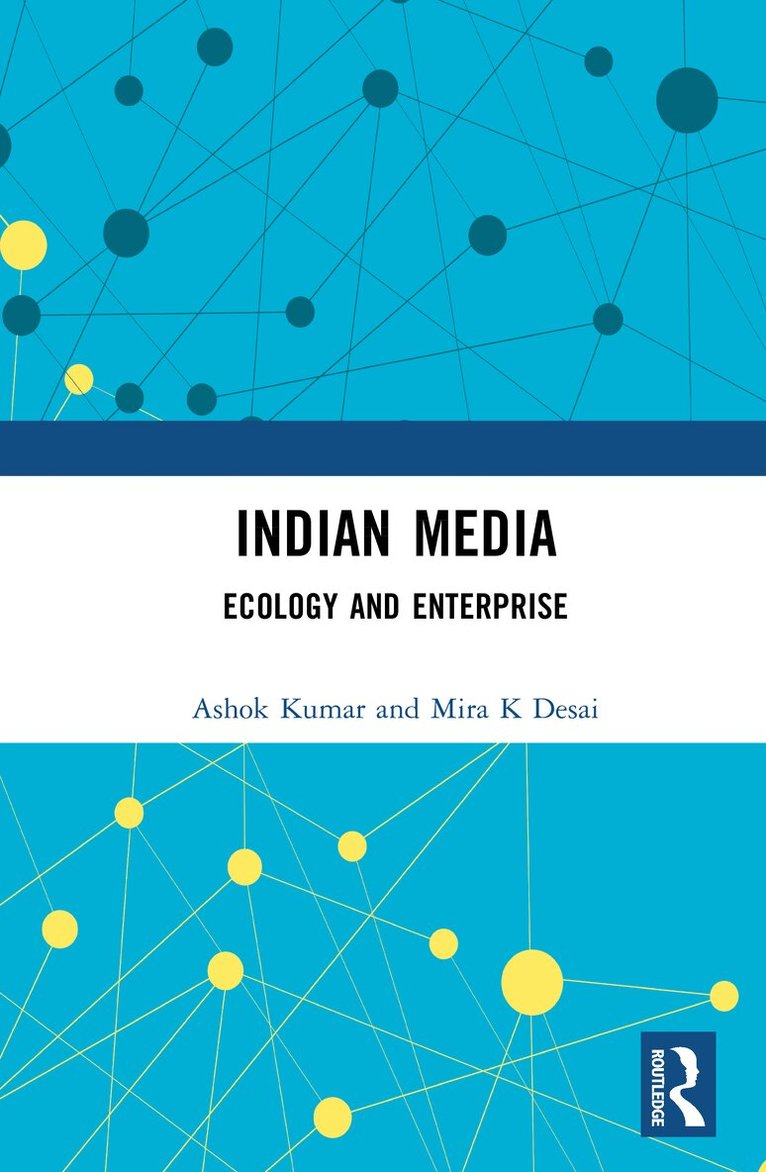
This book offers an extensive study of Indian media, exploring its development through socio-cultural, economic, and political lenses while connecting these interrelated spheres. It inspects the history, geography, economics, and politics of Indian media, presenting a refined understanding of its evolution over time.The book examines how Indian media has transformed into an enterprise dominated by private players, while remaining deeply influenced by government interventions, creating a dynamic landscape with diverse stakeholders. It explores various dimensions of Indian media—historical, socio-cultural, political, religious, economic, and ethical—using specific examples from varied geographies and contexts. Additionally, it reflects on the regional differences within India’s federal structure, offering insights into the complexities of media across the nation.Adopting a media ecology approach, this volume provides a fresh perspective on the Indian media landscape, making it an important resource for students of media studies, communication studies, journalism, mass communication, media management, entertainment management, and film studies. It will also appeal to general readers interested in understanding the multifaceted nature of Indian media.