
Miriam Wright – författare
Visar alla böcker från författaren Miriam Wright. Handla med fri frakt och snabb leverans.
3 produkter
3 produkter
E-bok
PDF, Engelska, 2001488 kr
Läs direkt efter köp
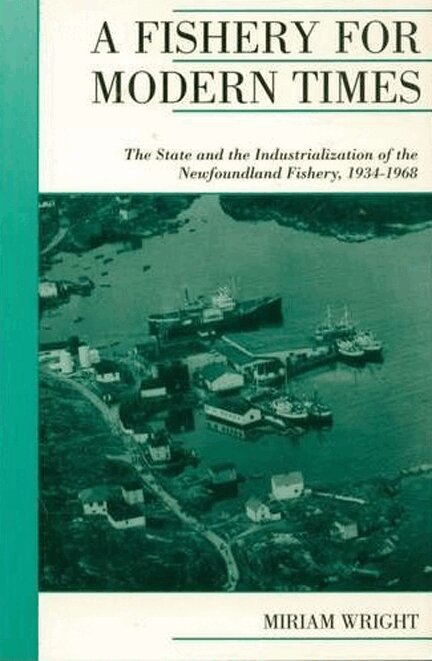
In the early 1990s, the northern cod populations off the coast of Newfoundland had become so depleted that the federal government placed a moratorium on commercial fishing. The impact was devastating, both for Newfoundland's economy and for local fishing communities. Today, although this natural resource exploited commercially for over 500 years appears to be returning in diminished numbers, many fisheries scientists and fishers question whether the cod will ever return to its former abundance.In A Fishery for Modern Times, Miriam Wright argues that the recent troubles in the fishery can be more fully understood by examining the rise of the industrial fishery in the mid-twentieth century. The introduction of new harvesting technologies and the emergence of 'quick freezing', in the late 1930s, eventually supplanted household production by Newfoundland's fishing families. While the new technologies increased the amount of fish caught in the northwest Atlantic, Wright argues that the state played a critical role in fostering and financing the industrial frozen fish sector. Many bureaucrats and politicians, including Newfoundland's premier, Joseph Smallwood, believed that making the Newfoundland fishery 'modern', with centralization, technology, and expertise, would transform rural society, solving deep-seated economic and social problems.A Fishery for Modern Times examines the ways in which the state, ideologies of development, and political, economic, and social factors, along with political actors and fishing company owners, contributed to the expansion of the industrial fishery from the 1930s through the 1960s. While the promised prosperity never fully materialized, the continuing reliance on approaches favouring high-tech, big capital solutions put increasing pressure on cod populations in the years that followed. As Wright concludes, 'We can no longer afford to view the fisheries resources as "property" of the state and industry, to do with it as they choose. That path had led only to devastation of the resource, economic instability, and great social upheaval.'
E-bok
Engelska, 2001488 kr
Läs direkt efter köp
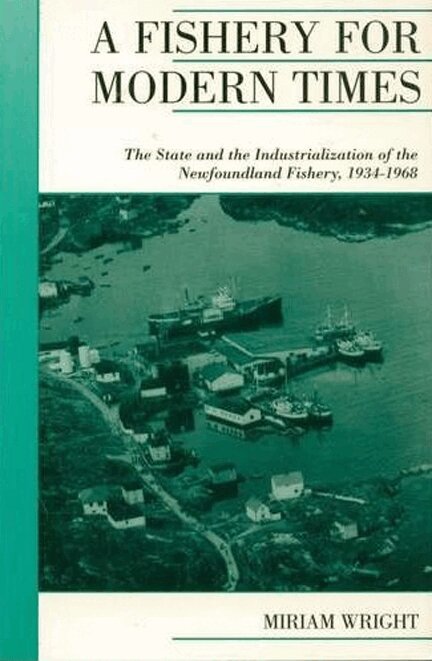
In the early 1990s, the northern cod populations off the coast of Newfoundland had become so depleted that the federal government placed a moratorium on commercial fishing. The impact was devastating, both for Newfoundland's economy and for local fishing communities. Today, although this natural resource exploited commercially for over 500 years appears to be returning in diminished numbers, many fisheries scientists and fishers question whether the cod will ever return to its former abundance.In A Fishery for Modern Times, Miriam Wright argues that the recent troubles in the fishery can be more fully understood by examining the rise of the industrial fishery in the mid-twentieth century. The introduction of new harvesting technologies and the emergence of 'quick freezing', in the late 1930s, eventually supplanted household production by Newfoundland's fishing families. While the new technologies increased the amount of fish caught in the northwest Atlantic, Wright argues that the state played a critical role in fostering and financing the industrial frozen fish sector. Many bureaucrats and politicians, including Newfoundland's premier, Joseph Smallwood, believed that making the Newfoundland fishery 'modern', with centralization, technology, and expertise, would transform rural society, solving deep-seated economic and social problems.A Fishery for Modern Times examines the ways in which the state, ideologies of development, and political, economic, and social factors, along with political actors and fishing company owners, contributed to the expansion of the industrial fishery from the 1930s through the 1960s. While the promised prosperity never fully materialized, the continuing reliance on approaches favouring high-tech, big capital solutions put increasing pressure on cod populations in the years that followed. As Wright concludes, 'We can no longer afford to view the fisheries resources as "property" of the state and industry, to do with it as they choose. That path had led only to devastation of the resource, economic instability, and great social upheaval.'
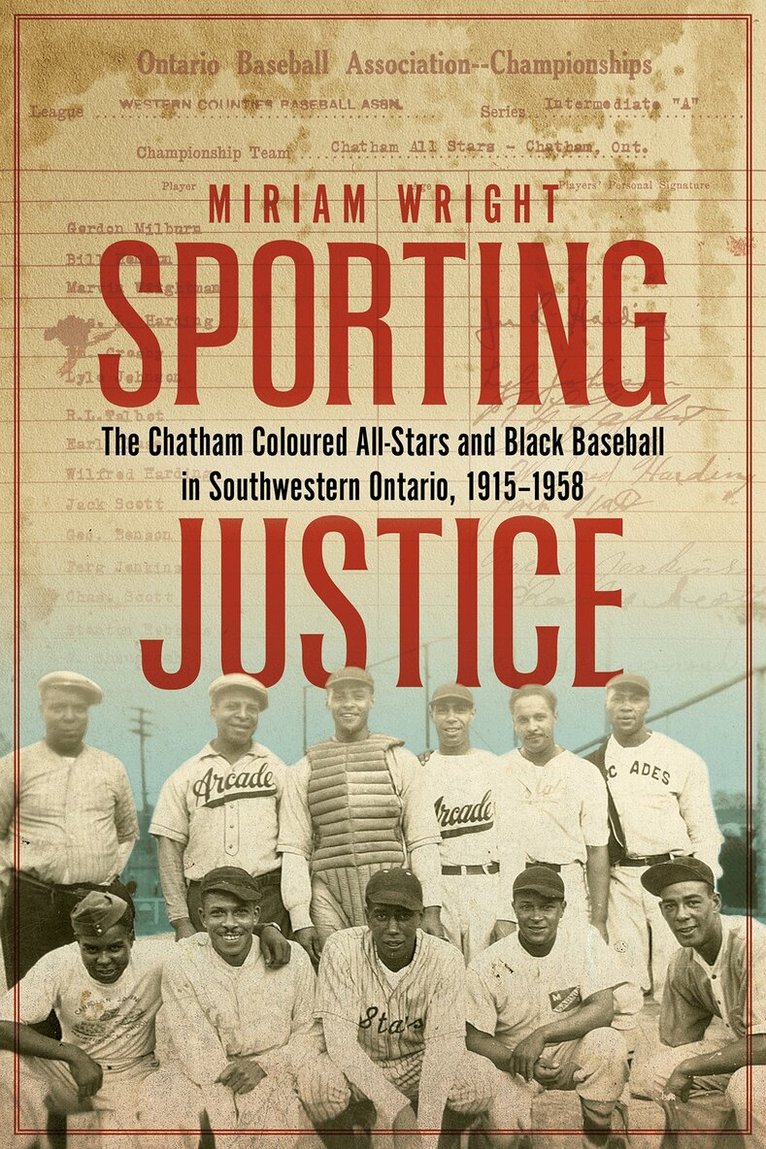
Sporting Justice
The Chatham Coloured All Stars and Black Baseball in Southwestern Ontario, 1915-1958
Häftad, Engelska, 2023
416 kr
Skickas inom 5-8 vardagar
Relates to topical stories of sports and race (eg., Colin Kaepernick)Expands on Black history, history of race in Canada (troubles the idea that Canada is more benevolent and that there was no racism or segregation here, which many people believe)For sports historians and sport sociologistsAccessible for the general reader interested in baseball historyChatham Coloured All-Stars to be recognized by Canadian Sports Hall of Fame in 2022Another book on this team will be published in May 2023 but is for general reader and only follows their championship year. (Tentative title 1934: The Chatham Coloured All-Stars’ Barrier-Breaking Year) – not our book