Mitja Grbec - Böcker
Visar alla böcker från författaren Mitja Grbec. Handla med fri frakt och snabb leverans.
4 produkter
4 produkter
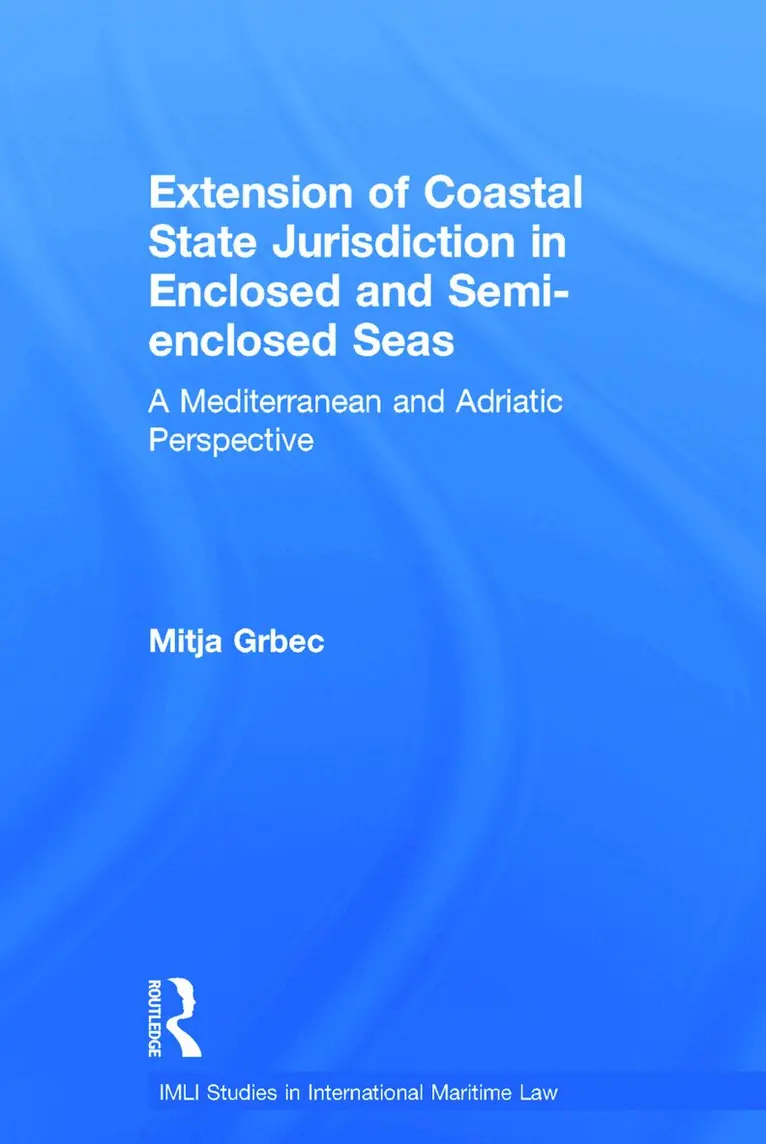
Extension of Coastal State Jurisdiction in Enclosed or Semi-Enclosed Seas
A Mediterranean and Adriatic Perspective
Inbunden, Engelska, 2013
1 992 kr
Skickas inom 10-15 vardagar
The current jurisdictional status of the Mediterranean Sea is remarkable. Nearly 50 per cent of the Mediterranean waters are high seas and therefore beyond the jurisdiction of coastal States. This situation means that there are no points in the Mediterranean Sea where the coasts of two States would be more than 400 nautical miles apart. Such a legal situation generally prevents coastal States from adopting and enforcing their laws on the Mediterranean high seas, in respect of many important fields such as the protection and preservation of the marine environment, as well as the conservation of marine living resources.The jurisdictional landscape of the Adriatic Sea as a sub-sea and sub-region of the Mediterranean, is even more interesting. Croatia has proclaimed an Ecological and Fisheries Protection Zone, Slovenia has proclaimed a Zone of Ecological Protection, while Italy has adopted a framework law for the proclamation of its Zone of Ecological Protection without proclaiming its regime in the Adriatic. It is noteworthy that if all Mediterranean and Adriatic States would proclaim an Exclusive Economic Zone (EEZ), there would not be a single stretch of high seas left in the entire Mediterranean Sea. Both the Adriatic and Mediterranean fall in the category of enclosed or semi-enclosed seas regulated by Part IX of the United Nations Convention on the Law of the Sea (UNCLOS).This book assesses the legal nature of Part IX of UNCLOS and discusses potential benefits of the extension of coastal State jurisdiction (proclamation of EEZs and/or similar sui generis zones), particularly in light of the recent calls towards an integrated and holistic approach to the management of different activities in the Mediterranean Sea. It examines the actual or potential extension of coastal State jurisdiction in the Adriatic Sea, against the background of similar extensions elsewhere in the Mediterranean and against the background of relevant EU policies. It additionally explores whether Part IX of UNCLOS imposes any duties of cooperation in relation to the extension of coastal State jurisdiction in enclosed or semi-enclosed seas, and puts forward practical suggestions as to how the issue of extension of coastal State jurisdiction could be approached in a way which would enhance States existing cooperation and improve the overall governance in the Mediterranean and Adriatic seas. This book will be of interest to policymakers and academics and students of international law, and the law of the sea.
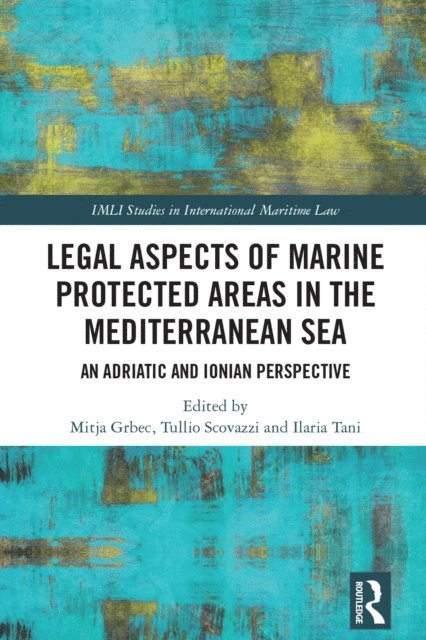
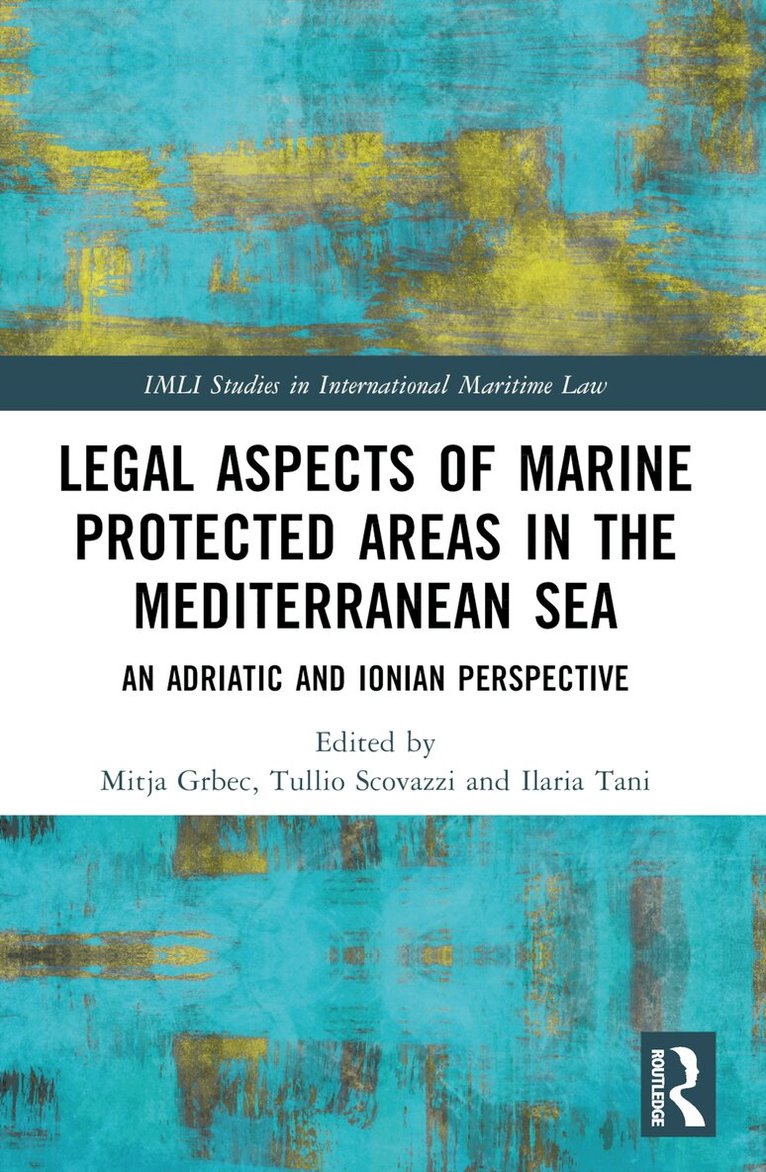
Legal Aspects of Marine Protected Areas in the Mediterranean Sea
An Adriatic and Ionian Perspective
Inbunden, Engelska, 2023
1 685 kr
Skickas
The objective of this book is to provide a comprehensive overview of the legal basis, under international law and the relevant regional legal frameworks, for the establishment and further development of area-based conservation tools in the Mediterranean Sea, with a particular emphasis placed on the transboundary area-based conservation instruments available for the Adriatic and Ionian Seas. Specifically, the aim is to identify and analyze the concepts and functioning of both marine protected areas (MPAs), as traditional area-based tools enabling marine habitat and species conservation, and other effective area-based conservation measures (OECMs), as a more recent addition to the picture. Further, with a view to providing responses to the complex set of challenges raised by the variety of tools and levels of intervention, conclusions and ways forward are provided that identify practical implementation instruments through which a truly transboundary perspective may guide the development of protected marine spaces in the macro-region. An essential consideration in defining the ways forward lies in that the current trend towards the establishment of exclusive economic zones could soon become an incentive towards the adoption of a coherent and coordinated Mediterranean – and Adriatic and Ionian – network of transboundary area-based conservation tools. The book will be of interest to policy makers, practitioners, and academics with an interest in public international law, the law of the sea, and sustainable ocean governance.
Legal Aspects of Marine Protected Areas in the Mediterranean Sea
An Adriatic and Ionian Perspective
Häftad, Engelska, 2025
583 kr
Skickas inom 10-15 vardagar
The objective of this book is to provide a comprehensive overview of the legal basis, under international law and the relevant regional legal frameworks, for the establishment and further development of area-based conservation tools in the Mediterranean Sea, with a particular emphasis placed on the transboundary area-based conservation instruments available for the Adriatic and Ionian Seas. Specifically, the aim is to identify and analyze the concepts and functioning of both marine protected areas (MPAs), as traditional area-based tools enabling marine habitat and species conservation, and other effective area-based conservation measures (OECMs), as a more recent addition to the picture. Further, with a view to providing responses to the complex set of challenges raised by the variety of tools and levels of intervention, conclusions and ways forward are provided that identify practical implementation instruments through which a truly transboundary perspective may guide the development of protected marine spaces in the macro-region. An essential consideration in defining the ways forward lies in that the current trend towards the establishment of exclusive economic zones could soon become an incentive towards the adoption of a coherent and coordinated Mediterranean – and Adriatic and Ionian – network of transboundary area-based conservation tools. The book will be of interest to policy makers, practitioners, and academics with an interest in public international law, the law of the sea, and sustainable ocean governance.
Extension of Coastal State Jurisdiction in Enclosed or Semi-Enclosed Seas
A Mediterranean and Adriatic Perspective
Häftad, Engelska, 2015
620 kr
Skickas inom 10-15 vardagar
The current jurisdictional status of the Mediterranean Sea is remarkable. Nearly 50 per cent of the Mediterranean waters are high seas and therefore beyond the jurisdiction of coastal States. This situation means that there are no points in the Mediterranean Sea where the coasts of two States would be more than 400 nautical miles apart. Such a legal situation generally prevents coastal States from adopting and enforcing their laws on the Mediterranean high seas, in respect of many important fields such as the protection and preservation of the marine environment, as well as the conservation of marine living resources.The jurisdictional landscape of the Adriatic Sea as a sub-sea and sub-region of the Mediterranean, is even more interesting. Croatia has proclaimed an Ecological and Fisheries Protection Zone, Slovenia has proclaimed a Zone of Ecological Protection, while Italy has adopted a framework law for the proclamation of its Zone of Ecological Protection without proclaiming its regime in the Adriatic. It is noteworthy that if all Mediterranean and Adriatic States would proclaim an Exclusive Economic Zone (EEZ), there would not be a single stretch of high seas left in the entire Mediterranean Sea. Both the Adriatic and Mediterranean fall in the category of enclosed or semi-enclosed seas regulated by Part IX of the United Nations Convention on the Law of the Sea (UNCLOS).This book assesses the legal nature of Part IX of UNCLOS and discusses potential benefits of the extension of coastal State jurisdiction (proclamation of EEZs and/or similar sui generis zones), particularly in light of the recent calls towards an integrated and holistic approach to the management of different activities in the Mediterranean Sea. It examines the actual or potential extension of coastal State jurisdiction in the Adriatic Sea, against the background of similar extensions elsewhere in the Mediterranean and against the background of relevant EU policies. It additionally explores whether Part IX of UNCLOS imposes any duties of cooperation in relation to the extension of coastal State jurisdiction in enclosed or semi-enclosed seas, and puts forward practical suggestions as to how the issue of extension of coastal State jurisdiction could be approached in a way which would enhance States existing cooperation and improve the overall governance in the Mediterranean and Adriatic seas. This book will be of interest to policymakers and academics and students of international law, and the law of the sea.