M.L.Choudhary - Böcker
Visar alla böcker från författaren M.L.Choudhary. Handla med fri frakt och snabb leverans.
2 produkter
2 produkter
998 kr
Skickas inom 7-10 vardagar
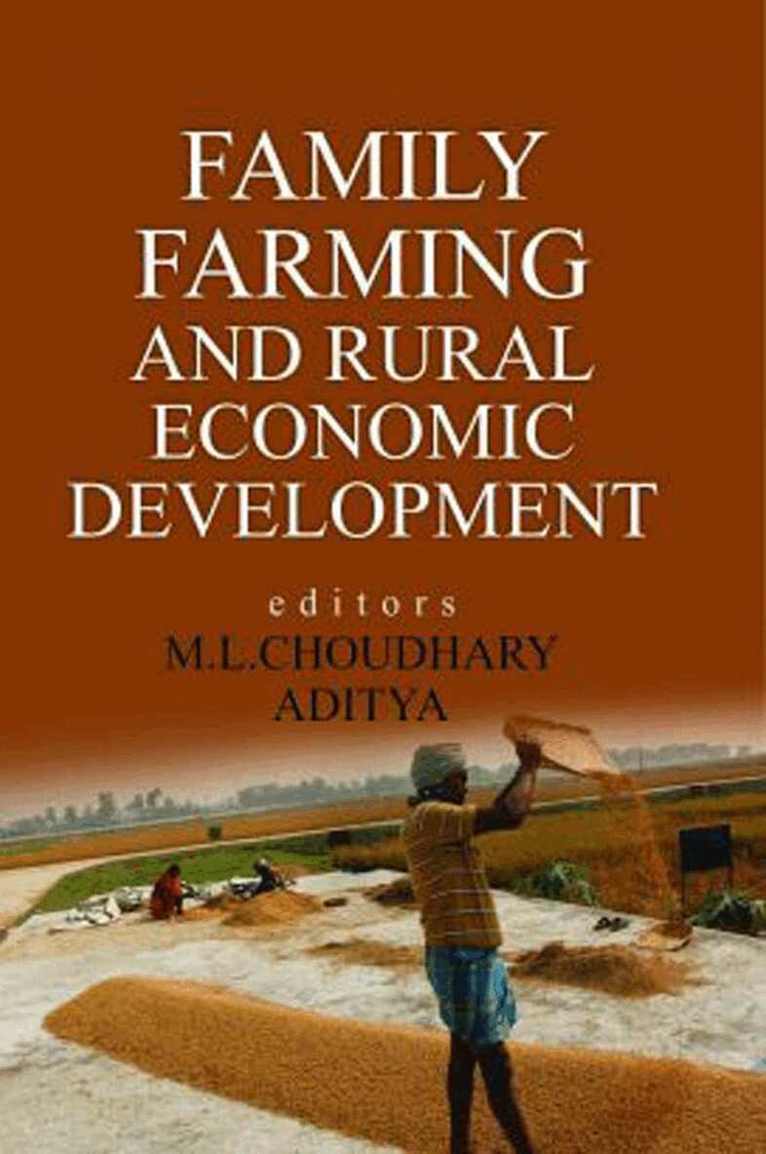
Family farming is the most common form of agriculture in both developed and developing countries, encompassing all family-based agricultural activities. It is closely linked to various aspects of rural and social development. Defined as a means of organizing agricultural, forestry, fisheries, pastoral, and aquaculture production that is managed and operated by a family, with an increasing reliance on family labor, both male and female, it plays a significant role in ensuring food security. In developing countries like India, several factors are crucial for the successful development of family farming, such as: agro-ecological conditions and territorial characteristics; access to markets; policy environment; access to land and natural resources; access to technology and extension services; access to finance; demographic, economic, and socio-cultural conditions; availability of specialized education.Recognizing the importance of family farming in poverty alleviation and rural development, the United Nations designated 2014 as the International Year of Family Farming at its 66th session of the United Nations General Assembly. This initiative aimed to raise awareness and promote the role of family farming in achieving sustainable development goals. The book, which is the subject of this content, provides a diverse range of perspectives and addresses key issues relevant to the agriculture industry, researchers, faculty, and others.
1 970 kr
Skickas inom 7-10 vardagar
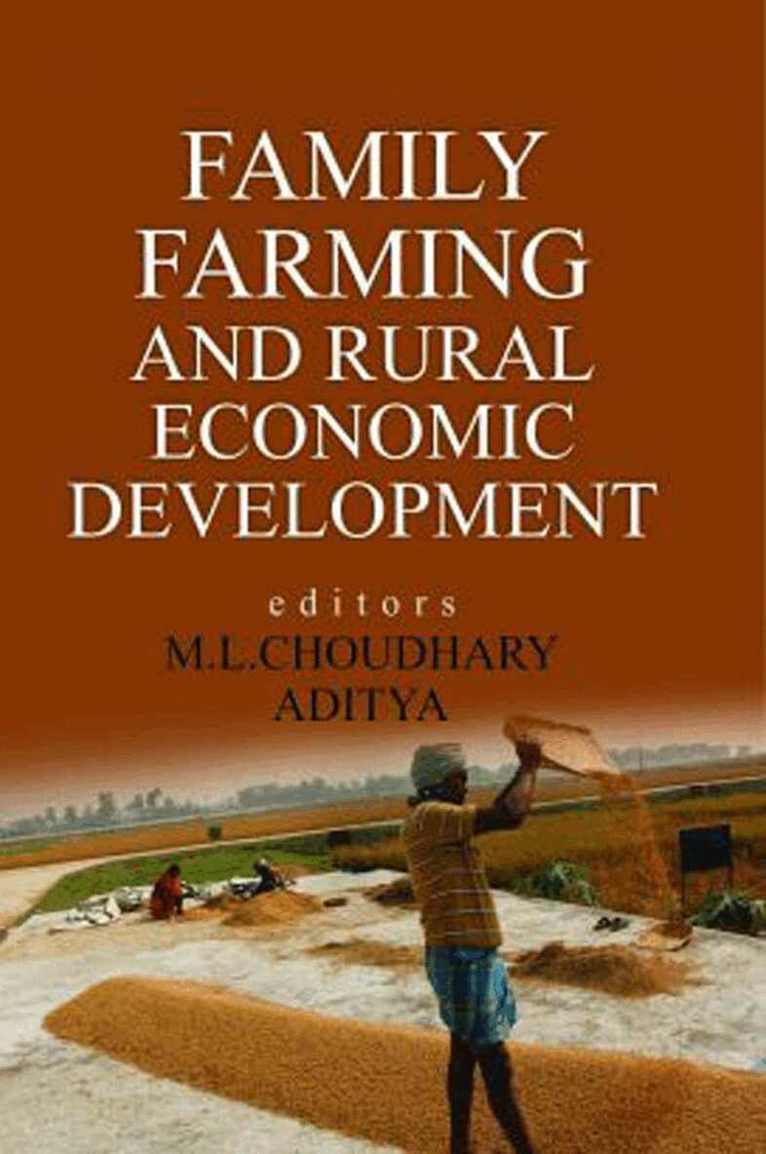
Family farming is a prevalent form of agriculture in both developed and developing countries, encompassing all family-based agricultural activities and being closely connected to various aspects of rural and social development. It is recognized as an organization of agricultural, forestry, fisheries, pastoral, and aquaculture production that is managed and operated by a family and increasingly reliant on family labor, both from men and women. In developing countries such as India, several factors are essential for the successful development of family farming, including agro-ecological conditions and territorial characteristics, access to markets, policy environment, access to land and natural resources, access to technology and extension services, access to finance, demographic, economic, and socio-cultural conditions, and the availability of specialized education.The International Year of Family Farming was designated by the United Nations General Assembly at its 66th session, acknowledging the growing role of family farming in poverty reduction and rural development. The book offers a wide range of topics that address crucial issues for individuals in the agriculture industry, researchers, faculty, and others.