Mohamad Mova Al'Afghani – författare
Visar alla böcker från författaren Mohamad Mova Al'Afghani. Handla med fri frakt och snabb leverans.
3 produkter
3 produkter
Legal Frameworks for Transparency in Water Utilities Regulation
A comparative perspective
Häftad, Engelska, 2019
626 kr
Skickas inom 10-15 vardagar
Transparency in the regulation of water utilities is essential in order to ensure quality and fairness. This book explores and compares different regulatory arrangements in the water utilities sectors in three jurisdictions to determine which regulatory and ownership model is most transparent and why. The three jurisdictions considered are England (UK), Victoria (Australia) and Jakarta (Indonesia).Following an introduction to the importance of transparency in water utilities regulation, the book provides an overview of the three chosen jurisdictions and their legal and institutional frameworks. Through a comparison of these the author explores the contested and difficult terrain of "privatization", as (often) opposed to public ownership, in which it is shown that the relationships between transparency and ownership models are not as clear-cut as might be assumed. Chapters consider various aspects and outcomes of the regulatory process and the role of transparency, including topics such as regulators' internal governance mechanisms, utilities corporate governance, licensing and information flow, freedom of information and transparency in tariffs and pricing, as well as customer service. The book concludes with a summary of lessons learned to inform the refinement of transparency in utilities regulation.
Legal Frameworks for Transparency in Water Utilities Regulation
A comparative perspective
Inbunden, Engelska, 2016
2 028 kr
Skickas inom 10-15 vardagar
Transparency in the regulation of water utilities is essential in order to ensure quality and fairness. This book explores and compares different regulatory arrangements in the water utilities sectors in three jurisdictions to determine which regulatory and ownership model is most transparent and why. The three jurisdictions considered are England (UK), Victoria (Australia) and Jakarta (Indonesia).Following an introduction to the importance of transparency in water utilities regulation, the book provides an overview of the three chosen jurisdictions and their legal and institutional frameworks. Through a comparison of these the author explores the contested and difficult terrain of "privatization", as (often) opposed to public ownership, in which it is shown that the relationships between transparency and ownership models are not as clear-cut as might be assumed. Chapters consider various aspects and outcomes of the regulatory process and the role of transparency, including topics such as regulators' internal governance mechanisms, utilities corporate governance, licensing and information flow, freedom of information and transparency in tariffs and pricing, as well as customer service. The book concludes with a summary of lessons learned to inform the refinement of transparency in utilities regulation.
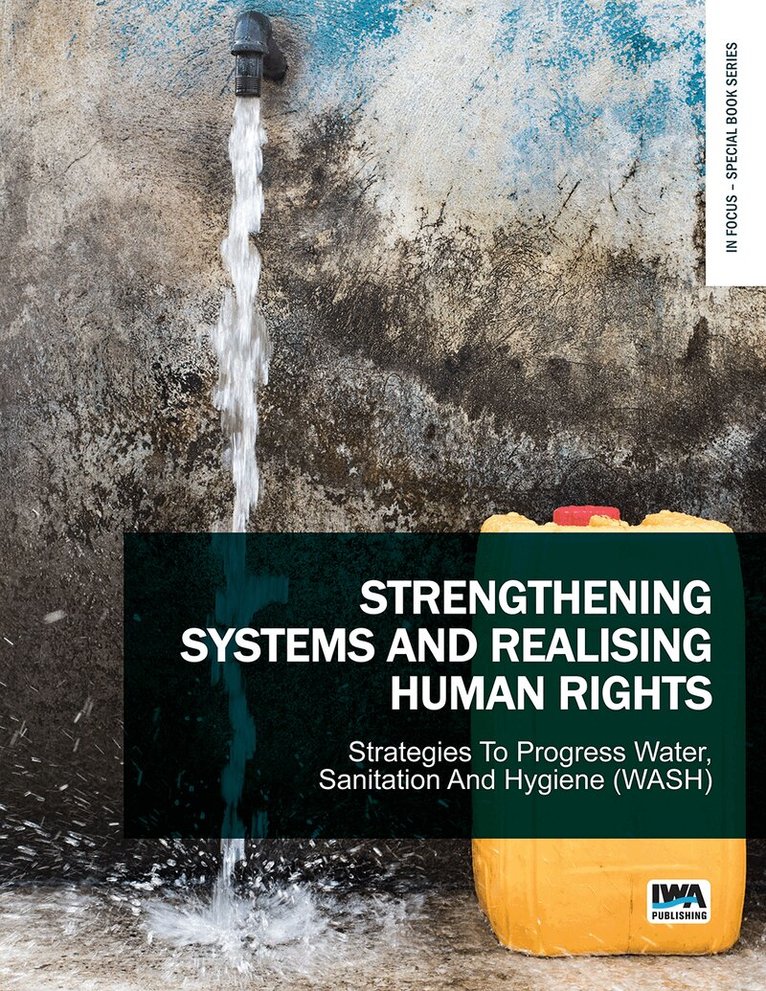
Strengthening Systems and Realising Human Rights: Strategies to Progress Water, Sanitation and Hygiene (WASH)
Häftad, Engelska, 2023
1 822 kr
Tillfälligt slut
This book explores two frameworks for progressing structural change that supports safe, universal and equitable water, sanitation and hygiene (WASH): systems strengthening and the human rights to water and sanitation. As such, it elaborates and defines the intersection between these two areas. Whilst inherently interconnected, the two also represent different entry points for change, with opportunity for increased intentional integration to improve progress towards Sustainable Development Goal 6: Clean water and sanitation.Systems strengthening is widely recognised as foundational for ensuring access to sustainable, equitable WASH services in low- and middle-income countries, leaving no-one behind. Such systems comprise clear sector policy and strategy, effective institutional arrangements, sufficient sector financing, regular cycles of planning, monitoring and review and capacity development across the sector; as well as the people, interactions, power relations and behaviours that shape these elements.Equally, the human rights to water and sanitation provide numerous entry points for change, both in supporting people to claim and realise their rights and in supporting and advocating for governments at all levels to respond.Effective approaches to strengthen systems and realise the rights depend on inclusive processes that meaningfully involve people and advance equality, including gender equality. They facilitate mutual learning, capacity building and increased accountability, promote informed choice and place development in the hands of those it concerns.In Focus – a book series that showcases the latest accomplishments in water research. Each book focuses on a specialist area with papers from top experts in the field. It aims to be a vehicle for in-depth understanding and inspire further conversations in the sector.