Mohd Esa Norhaizan – författare
Visar alla böcker från författaren Mohd Esa Norhaizan. Handla med fri frakt och snabb leverans.
10 produkter
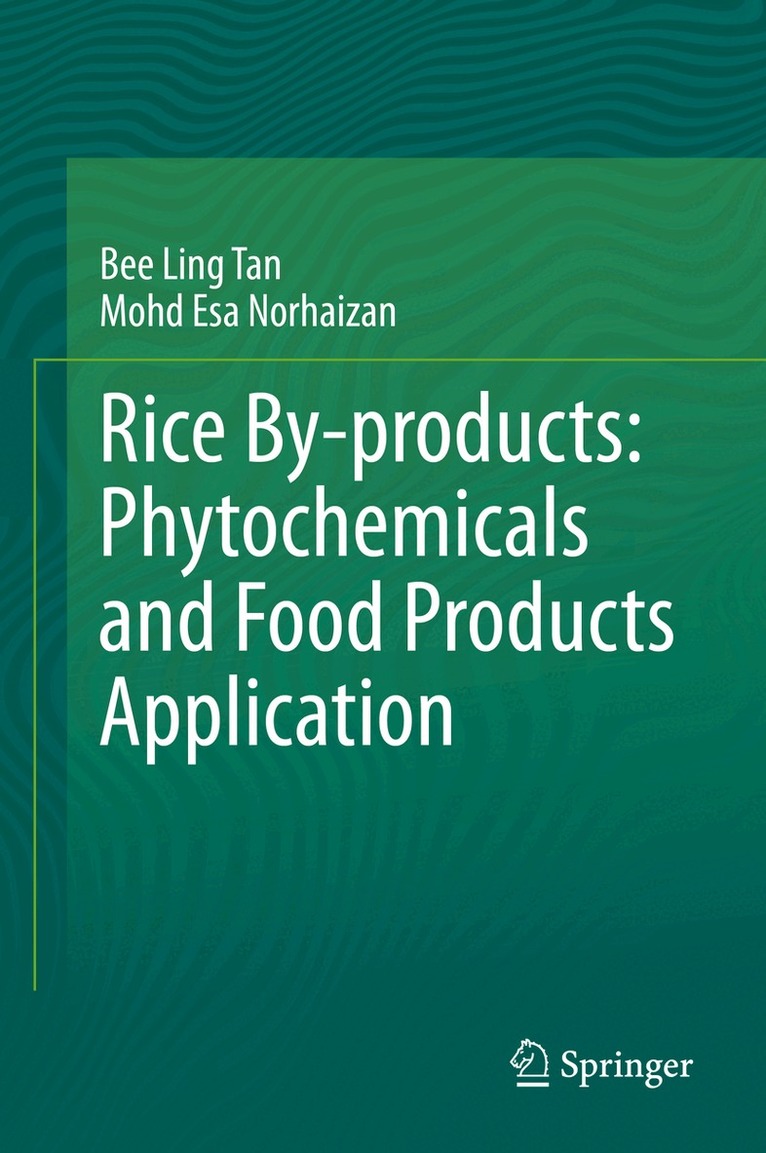
Rice By-products: Phytochemicals and Food Products Application
Av Bee Ling Tan, Mohd Esa Norhaizan
Inbunden, 2020
1130 kr
Lägg i varukorg
Rice is a vitally important staple food for almost half of the world’s population. As the global population increases, the demands for rice are expected to remain high. Since the rice industry will remain sustainable for a long time, the production of rice by-products will remain high. Substantial …
Rice By-products: Phytochemicals and Food Products Application
Av Mohd Esa Norhaizan, Bee Ling Tan
E-bok, 2020
1455 kr
Lägg i varukorg
Rice is a vitally important staple food for almost half of the world’s population. As the global population increases, the demands for rice are expected to remain high. Since the rice industry will remain sustainable for a long time, the production of rice by-products will remain high. Substantial …
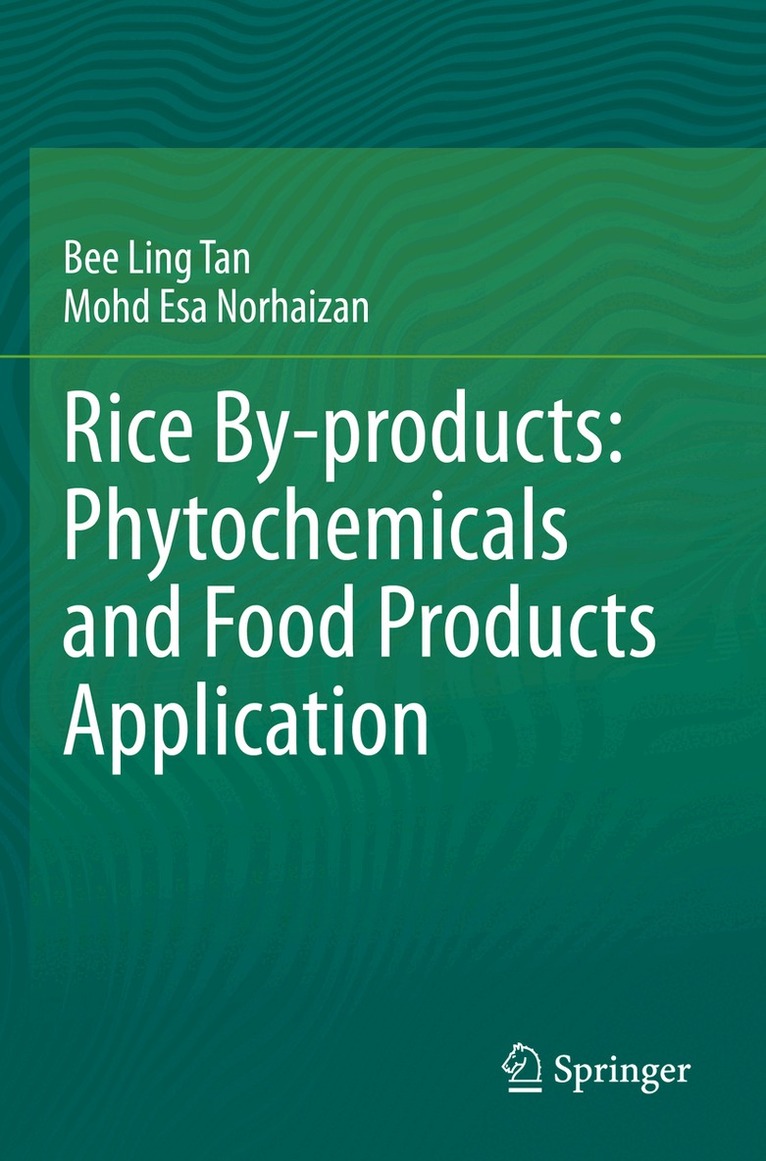
Rice By-products: Phytochemicals and Food Products Application
Av Bee Ling Tan, Mohd Esa Norhaizan
Häftad, 2021
1130 kr
Lägg i varukorg
Rice is a vitally important staple food for almost half of the world’s population. As the global population increases, the demands for rice are expected to remain high. Since the rice industry will remain sustainable for a long time, the production of rice by-products will remain high. Substantial …
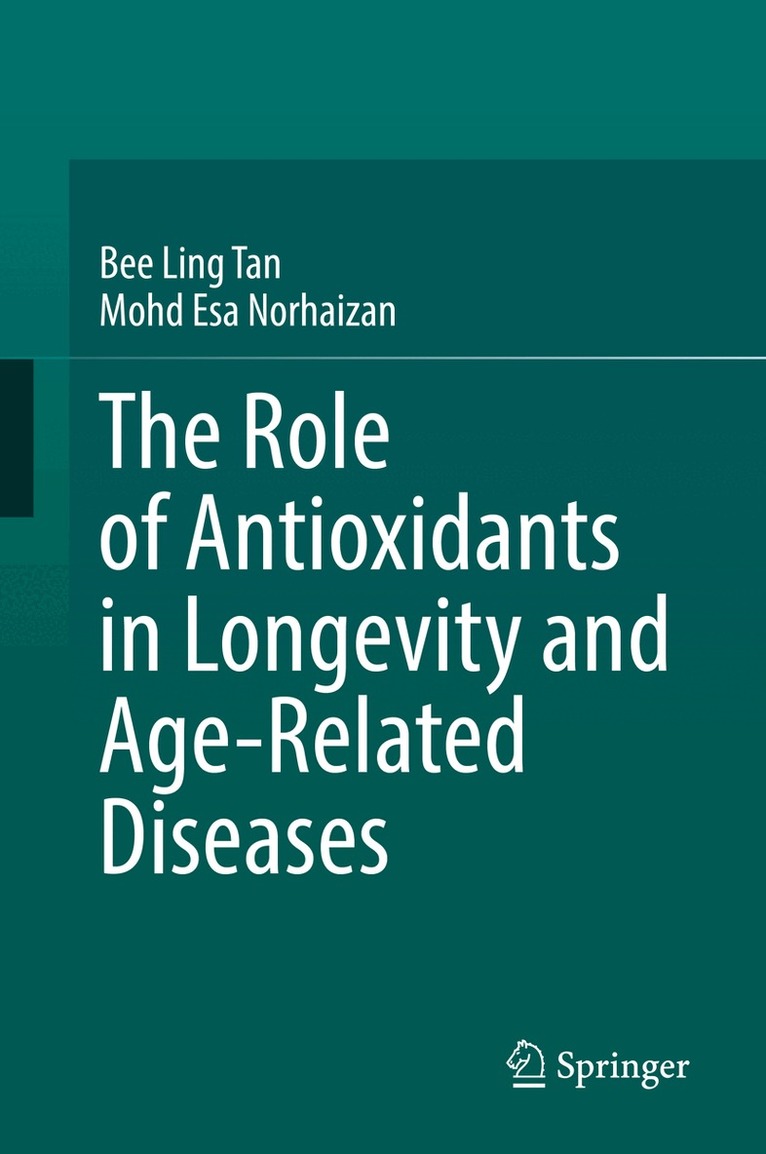
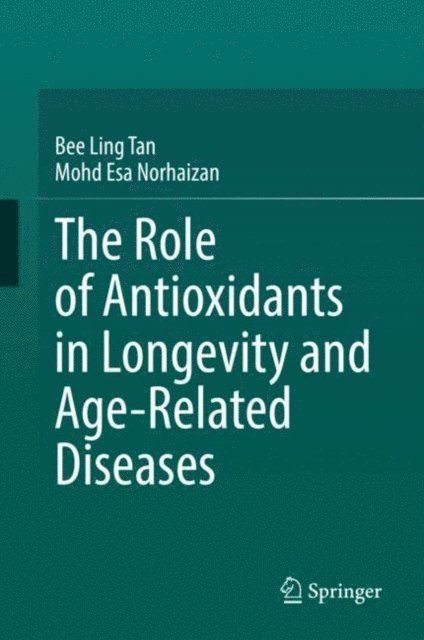
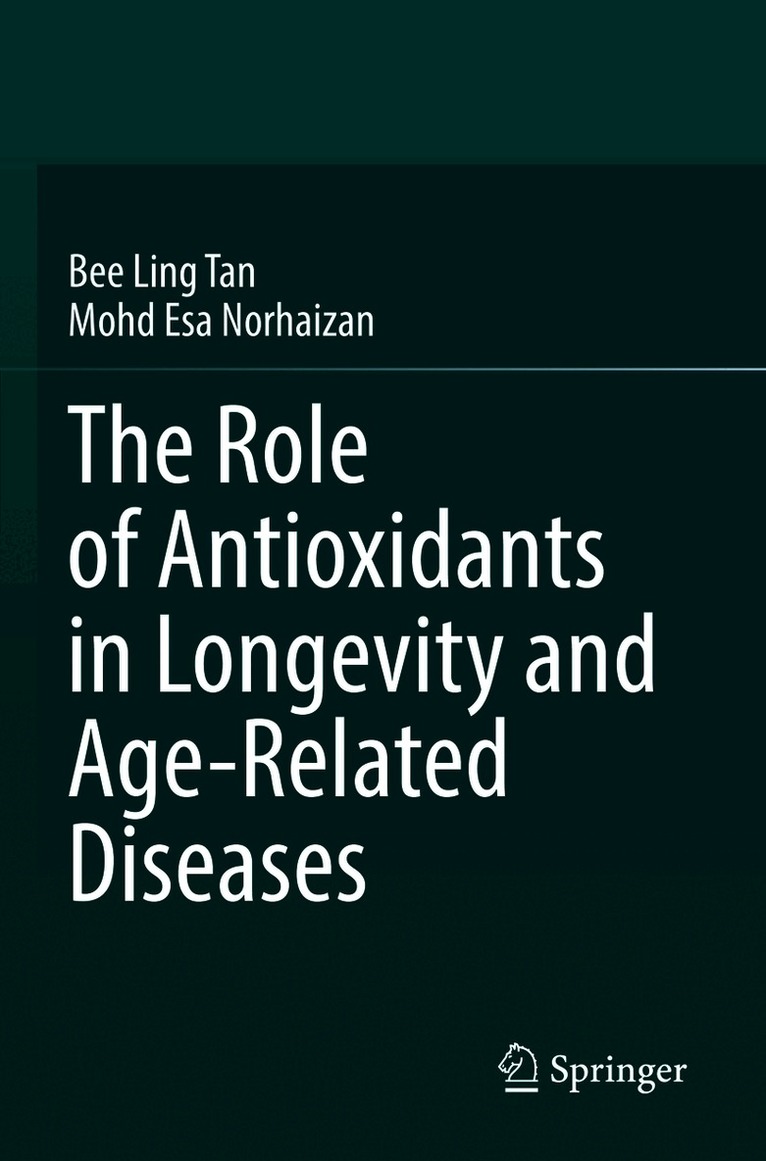
Role of Antioxidants in Longevity and Age-Related Diseases
Av Bee Ling Tan, Mohd Esa Norhaizan
Inbunden, 2021
1580 kr
Lägg i varukorg
The average life expectancy has increased worldwide in the recent decades. This has presented new challenges as old age brings the onset of diseases such as cancer, neurodegenerative disorders, cardiovascular disease, type 2 diabetes, arthritis, osteoporosis, stroke, and Alzheimer’s disease. …
Role of Antioxidants in Longevity and Age-Related Diseases
Av Mohd Esa Norhaizan, Bee Ling Tan
E-bok, 2021
1962 kr
Lägg i varukorg
The average life expectancy has increased worldwide in the recent decades. This has presented new challenges as old age brings the onset of diseases such as cancer, neurodegenerative disorders, cardiovascular disease, type 2 diabetes, arthritis, osteoporosis, stroke, and Alzheimer’s disease. …
Role of Antioxidants in Longevity and Age-Related Diseases
Av Bee Ling Tan, Mohd Esa Norhaizan
Häftad, 2022
1580 kr
Lägg i varukorg
The average life expectancy has increased worldwide in the recent decades. This has presented new challenges as old age brings the onset of diseases such as cancer, neurodegenerative disorders, cardiovascular disease, type 2 diabetes, arthritis, osteoporosis, stroke, and Alzheimer’s disease. …
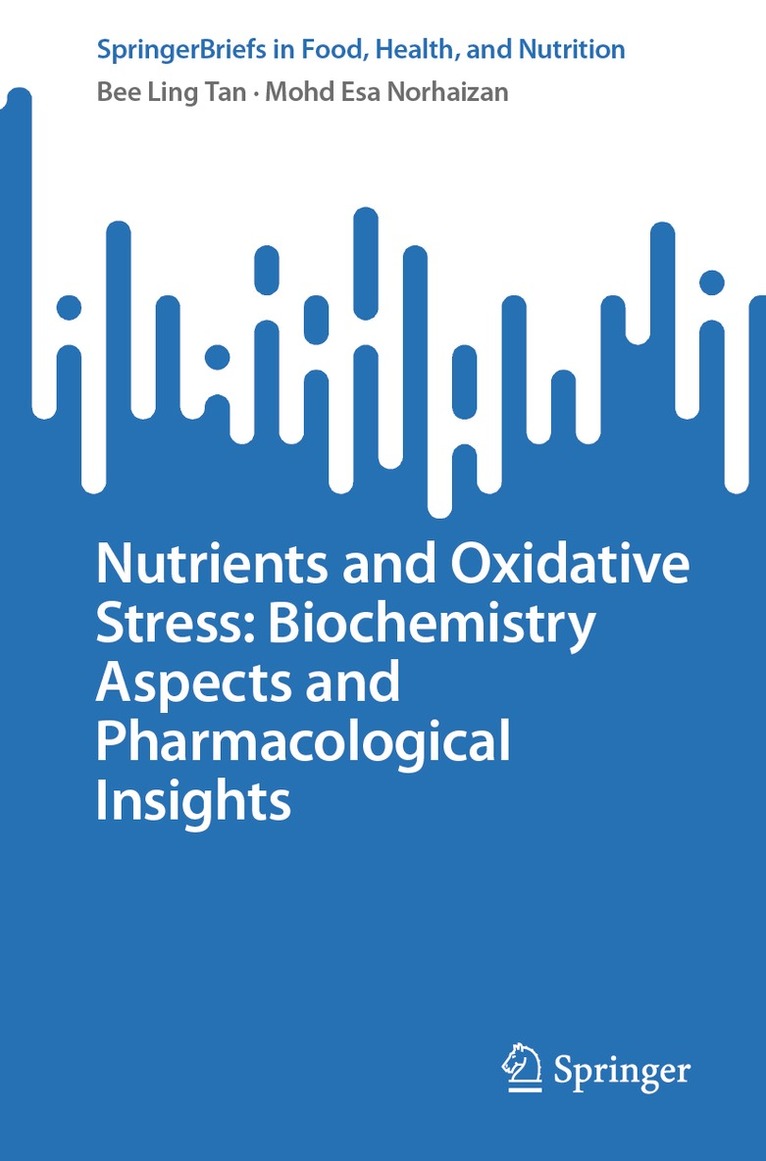
Nutrients and Oxidative Stress: Biochemistry Aspects and Pharmacological Insights
Av Bee Ling Tan, Mohd Esa Norhaizan
Häftad, 2024
625 kr
Lägg i varukorg
Oxidative stress plays a prominent role in the development of numerous human diseases associated with animal-based protein, high-carbohydrate diets and excessive fat consumption. Obesity represents the main risk factor for chronic diseases such as cardiovascular disease, cancer, and type 2 …
Nutrients and Oxidative Stress: Biochemistry Aspects and Pharmacological Insights
Av Mohd Esa Norhaizan, Bee Ling Tan
E-bok, 2024
839 kr
Lägg i varukorg
Oxidative stress plays a prominent role in the development of numerous human diseases associated with animal-based protein, high-carbohydrate diets and excessive fat consumption. Obesity represents the main risk factor for chronic diseases such as cardiovascular disease, cancer, and type 2 …
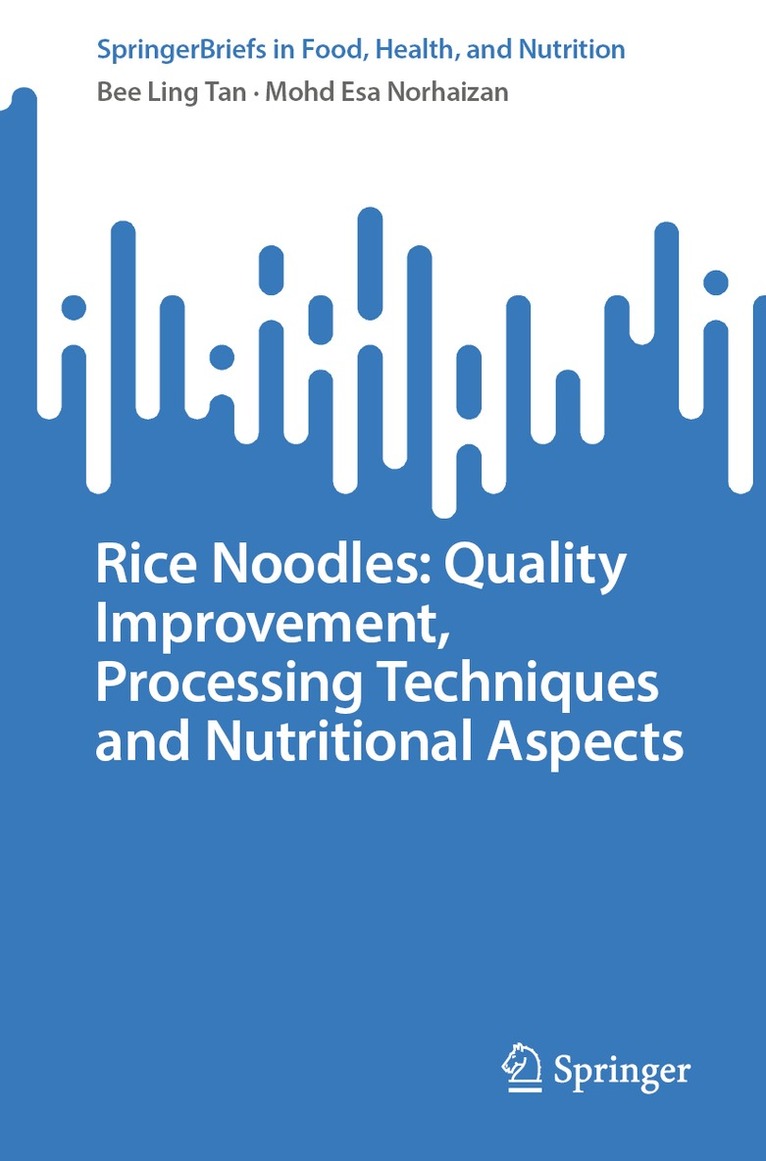
Rice Noodles: Quality Improvement, Processing Techniques and Nutritional Aspects
Av Bee Ling Tan, Mohd Esa Norhaizan
Häftad, 2025
1643 kr
Lägg i varukorg
Rice is a fundamental principal food for more than half of the world’s people, providing more than 20% of the calories consumed globally, particularly in Latin America and West Indies, the Middle East, and Southeast Asia. Rice is usually consumed as fully mature grains in the form of whole kernels …
Rice Noodles: Quality Improvement, Processing Techniques and Nutritional Aspects
Av Mohd Esa Norhaizan, Bee Ling Tan
E-bok, 2025
2111 kr
Lägg i varukorg
Rice is a fundamental principal food for more than half of the world’s people, providing more than 20% of the calories consumed globally, particularly in Latin America and West Indies, the Middle East, and Southeast Asia. Rice is usually consumed as fully mature grains in the form of whole kernels …