Molly B. Moravek – författare
Visar alla böcker från författaren Molly B. Moravek. Handla med fri frakt och snabb leverans.
4 produkter
4 produkter
979 kr
Skickas inom 7-10 vardagar
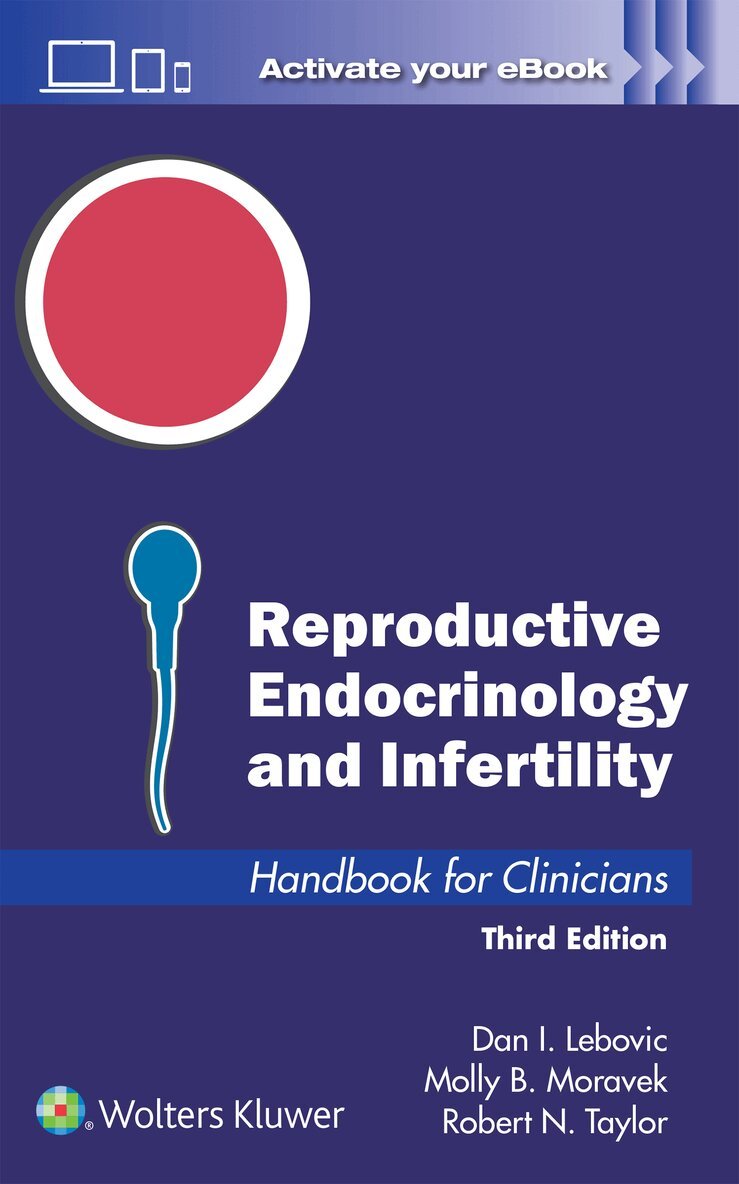
Comprehensive in scope yet compact enough to carry with you for quick reference, Reproductive Endocrinology and Infertility: Handbook for Clinicians, 3rd Edition, is a practical, must-have resource for all medical professionals who deal with disorders of reproduction. Written and edited by Drs. Dan I. Lebovic, Molly Moravek, and Robert N. Taylor, it offers more than 500 pages of detailed tables, flowcharts, figures, and helpful hints covering the full range of topics from amenorrhea to assisted reproductive technology. Carefully and thoroughly referenced and designed for ease of use, this classic manual brings you fully up to date with all that’s new in this complex field. Contains essential, need-to-know content in more than 40 clear, easy-to-read chapters enhanced with key points, tables, flowcharts, and more—perfect for everyday clinical use or for exam preparation Includes new chapters on care of the transgender patient, third-party reproduction, preimplantation genetic testing, and recurrent implantation factor; reflects current research and practice recommendations throughout An ideal reference for clinicians and trainees in OB/GYN and REI, from medical students and nurses to residents, fellows, and practicing physicians
1 217 kr
Skickas inom 10-15 vardagar
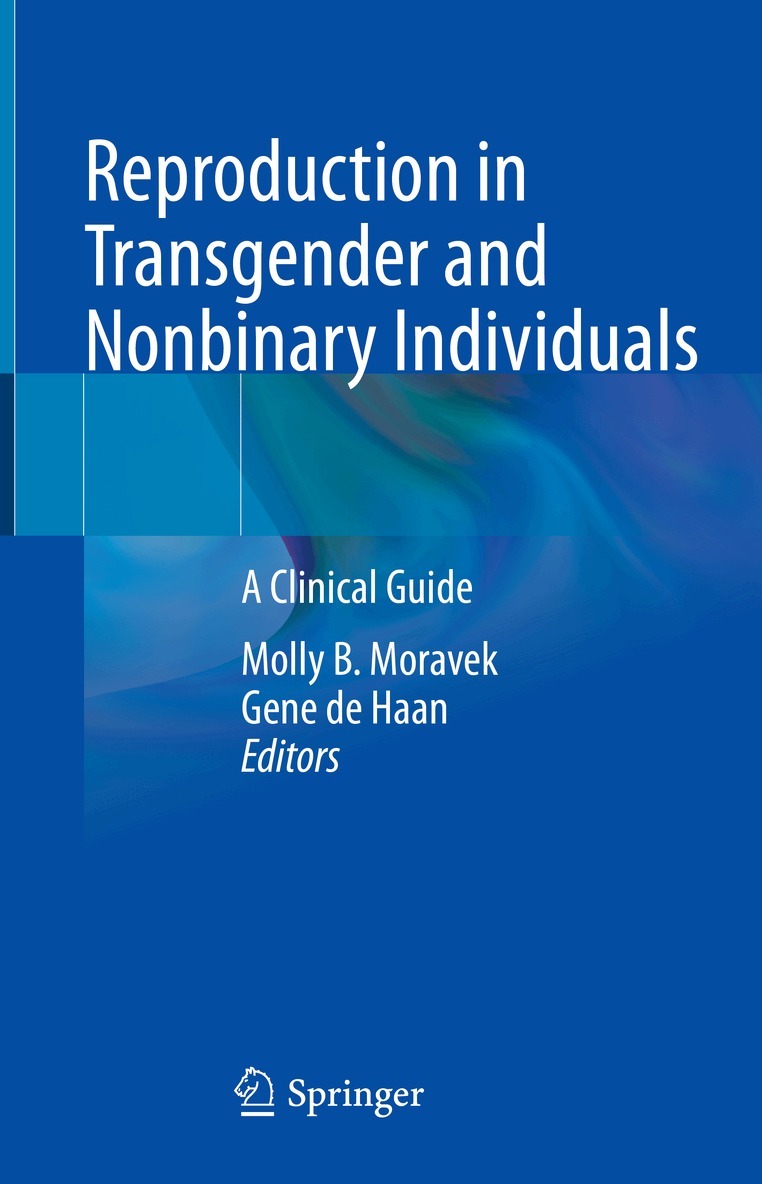
There are approximately 1.4 million trans-identified individuals in the US alone, many of whom will undergo gender-affirming medical or surgical interventions to better align their appearance with their gender identity. Multiple major medical societies recommend fertility preservation counseling prior to starting any gender-affirming therapies, but data are limited on the reproductive effects of common gender-affirming hormone regimens. The burden of fertility counseling falls to the hormone providers and surgeons that are encountering these patients, many of whom will not have had adequate training or resources to provide evidence-based recommendations and options. Additionally, many reproductive health care providers are not trained in how to care for gender minorities.The purpose of this book is to be a reference for clinicians and researchers in the field of transgender medicine, to provide up-to-date data and resources to properly counsel transgender and nonbinary patients about the reproductive consequences of gender-affirming interventions and their options for family-building, and to educate providers about appropriate and culturally competent reproductive health care. Effects of masculinizing and feminizing hormone therapy, as well as the fertility preservation options available, are discussed in detail for both adults and youth. In addition to these medical considerations, both psychosocial, legal and ethical considerations are highlighted for a more well-rounded presentation. A final chapter describes how to create a welcome and accepting clinical environment. Such a reference does not currently exist, leading to the propagation of misinformation and encouraging patients to seek nonmedical sources, such as social media, for their information. Reproduction in Transgender and Nonbinary Individuals fills in this gap as a timely text for reproductive endocrinologists, surgeons and all clinical staff working with this population.
650 kr
Skickas inom 5-8 vardagar
887 kr
Skickas inom 10-15 vardagar
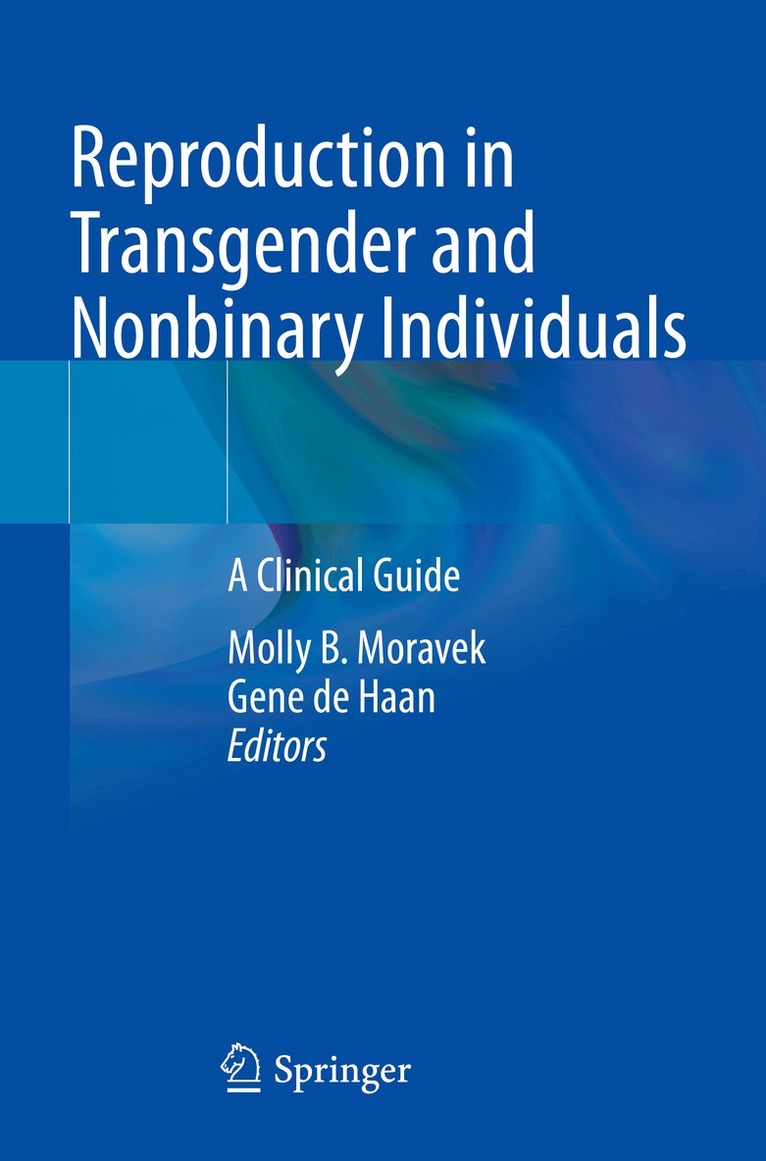
There are approximately 1.4 million trans-identified individuals in the US alone, many of whom will undergo gender-affirming medical or surgical interventions to better align their appearance with their gender identity. Multiple major medical societies recommend fertility preservation counseling prior to starting any gender-affirming therapies, but data are limited on the reproductive effects of common gender-affirming hormone regimens. The burden of fertility counseling falls to the hormone providers and surgeons that are encountering these patients, many of whom will not have had adequate training or resources to provide evidence-based recommendations and options. Additionally, many reproductive health care providers are not trained in how to care for gender minorities.The purpose of this book is to be a reference for clinicians and researchers in the field of transgender medicine, to provide up-to-date data and resources to properly counsel transgender and nonbinary patients about the reproductive consequences of gender-affirming interventions and their options for family-building, and to educate providers about appropriate and culturally competent reproductive health care. Effects of masculinizing and feminizing hormone therapy, as well as the fertility preservation options available, are discussed in detail for both adults and youth. In addition to these medical considerations, both psychosocial, legal and ethical considerations are highlighted for a more well-rounded presentation. A final chapter describes how to create a welcome and accepting clinical environment. Such a reference does not currently exist, leading to the propagation of misinformation and encouraging patients to seek nonmedical sources, such as social media, for their information. Reproduction in Transgender and Nonbinary Individuals fills in this gap as a timely text for reproductive endocrinologists, surgeons and all clinical staff working with this population.