Monica Prasad – författare
Visar alla böcker från författaren Monica Prasad. Handla med fri frakt och snabb leverans.
13 produkter
13 produkter
Inbunden, Engelska, 2022
1 258 kr
Skickas inom 7-10 vardagar
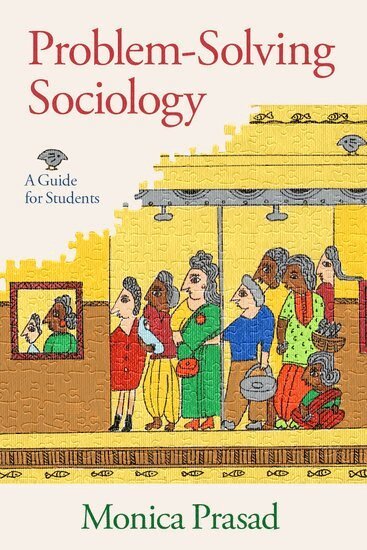
A broad resource that offers tools for how to conduct problem-solving sociology in order to deepen and reformulate our understanding of society.Most students arrive in graduate sociology programs eager to engage with the pressing social and political issues of the day. Yet that initial enthusiasm does not always survive the professional socialization of graduate school. In Problem-Solving Sociology, Monica Prasad shows graduate students and early career sociologists how to conduct research that uses sociological theory to help solve real-world problems, and how to use problem-solving to improve sociological theory. Prasad discusses how to be objective when examining issues of injustice and oppression, and provides methodological strategies and plenty of exercises for research aimed at creating change. She gives examples throughout of problem-solving research conducted at all levels, from undergraduate theses to the major figures of the discipline. She also considers how to respond to some common objections; where problem-solving fits into the landscape of sociological practice; and how to build a life in problem-solving.
Häftad, Engelska, 2022
492 kr
Skickas inom 3-6 vardagar
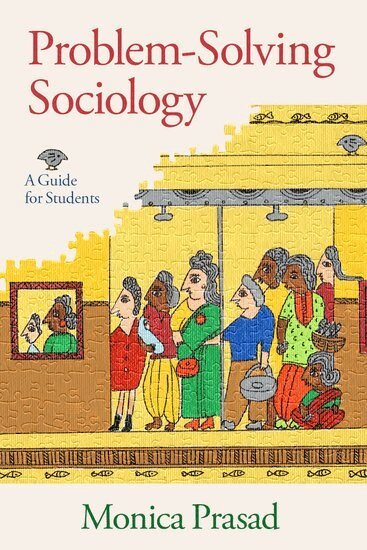
A broad resource that offers tools for how to conduct problem-solving sociology in order to deepen and reformulate our understanding of society.Most students arrive in graduate sociology programs eager to engage with the pressing social and political issues of the day. Yet that initial enthusiasm does not always survive the professional socialization of graduate school. In Problem-Solving Sociology, Monica Prasad shows graduate students and early career sociologists how to conduct research that uses sociological theory to help solve real-world problems, and how to use problem-solving to improve sociological theory. Prasad discusses how to be objective when examining issues of injustice and oppression, and provides methodological strategies and plenty of exercises for research aimed at creating change. She gives examples throughout of problem-solving research conducted at all levels, from undergraduate theses to the major figures of the discipline. She also considers how to respond to some common objections; where problem-solving fits into the landscape of sociological practice; and how to build a life in problem-solving.
E-bok
PDF, Engelska, 2021262 kr
Läs direkt efter köp
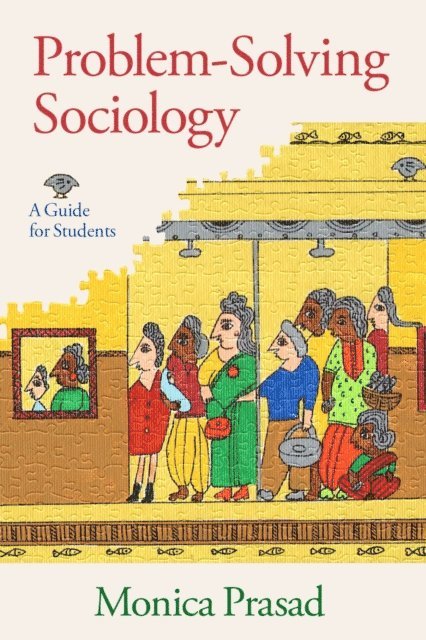
A broad resource that offers tools for how to conduct problem-solving sociology in order to deepen and reformulate our understanding of society.Most students arrive in graduate sociology programs eager to engage with the pressing social and political issues of the day. Yet that initial enthusiasm does not always survive the professional socialization of graduate school. In Problem-Solving Sociology, Monica Prasad shows graduate students and early career sociologists how to conduct research that uses sociological theory to help solve real-world problems, and how to use problem-solving to improve sociological theory. Prasad discusses how to be objective when examining issues of injustice and oppression, and provides methodological strategies and plenty of exercises for research aimed at creating change. She gives examples throughout of problem-solving research conducted at all levels, from undergraduate theses to the major figures of the discipline. She also considers how to respond to some common objections; where problem-solving fits into the landscape of sociological practice; and how to build a life in problem-solving.
E-bok
Engelska, 2021262 kr
Läs direkt efter köp
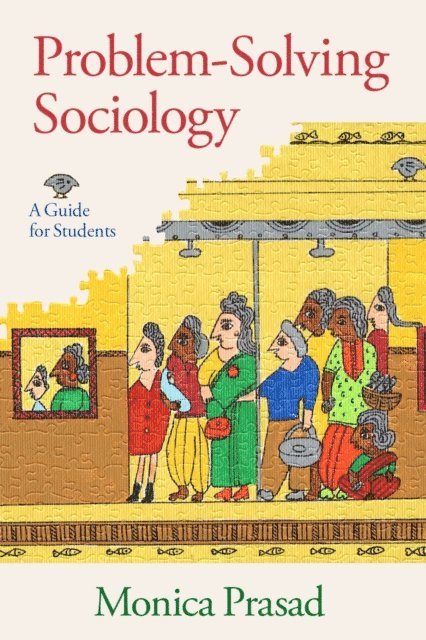
A broad resource that offers tools for how to conduct problem-solving sociology in order to deepen and reformulate our understanding of society.Most students arrive in graduate sociology programs eager to engage with the pressing social and political issues of the day. Yet that initial enthusiasm does not always survive the professional socialization of graduate school. In Problem-Solving Sociology, Monica Prasad shows graduate students and early career sociologists how to conduct research that uses sociological theory to help solve real-world problems, and how to use problem-solving to improve sociological theory. Prasad discusses how to be objective when examining issues of injustice and oppression, and provides methodological strategies and plenty of exercises for research aimed at creating change. She gives examples throughout of problem-solving research conducted at all levels, from undergraduate theses to the major figures of the discipline. She also considers how to respond to some common objections; where problem-solving fits into the landscape of sociological practice; and how to build a life in problem-solving.
Häftad, Engelska, 2006
314 kr
Skickas inom 5-8 vardagar
The attempt to reduce the role of the state in the market through tax cuts, decreases in social spending, deregulation, and privatization - "neoliberalism" - took firm root in the United States under Ronald Reagan and in Britain under Margaret Thatcher. But why did neoliberal policies gain such prominence in these two countries and not in similarly industrialized Western countries such as France and Germany? A comparative-historical analysis of the development of neoliberal politics in these four countries, "The Politics of Free Markets" argues that neoliberalism was made possible in the United States and Britain not because the Left in these countries was too weak, but because it was in many respects too strong. At the time of the oil crisis in the 1970s, American and British tax policies were more progressive, their industrial policy more adversarial to business, and their welfare states more redistributive than those of France and West Germany. Monica Prasad shows that these adversarial structures created opportunities for politicians to find and mobilize dissatisfaction with the status quo.In France and West Germany, where tax structures were more regressive, industrial policy more pro-growth, and welfare states universal and even reverse-redistributive, neoliberalism could not be anchored in electoral dissatisfaction, and therefore it stalled.
Inbunden, Engelska, 2009
1 293 kr
Skickas inom 7-10 vardagar
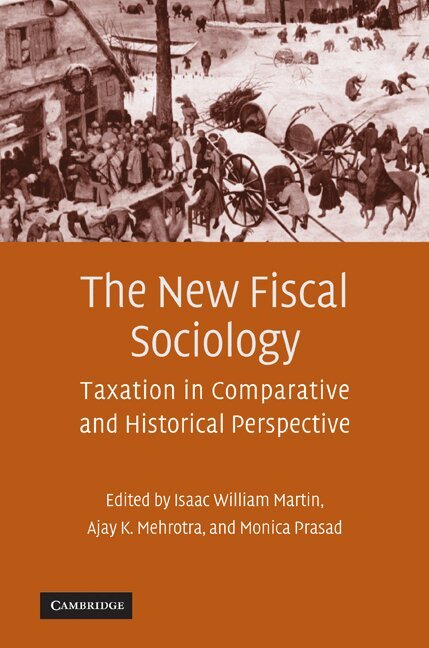
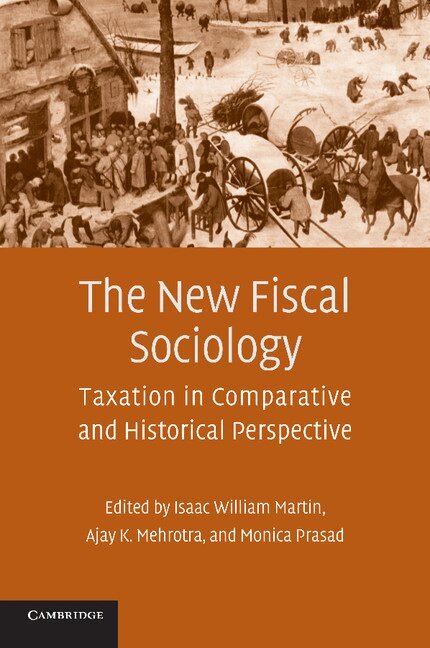
The New Fiscal Sociology: Taxation in Comparative and Historical Perspective demonstrates that the study of taxation can illuminate fundamental dynamics of modern societies. The sixteen essays in this collection offer a state-of-the-art survey of the new fiscal sociology that is emerging at the intersection of sociology, history, political science, and law. The contributors include some of the foremost comparative historical scholars in these disciplines and others. They approach the institution of taxation as a window onto the changing social contract. Their chapters address the social and historical sources of tax policy, the problem of how taxes persist, and the social and cultural consequences of taxation. They trace fundamental connections between tax institutions and macrohistorical phenomena - wars, shifting racial boundaries, religious traditions, gender regimes, labor systems, and more.
Häftad, Engelska, 2009
740 kr
Skickas inom 7-10 vardagar
The New Fiscal Sociology: Taxation in Comparative and Historical Perspective demonstrates that the study of taxation can illuminate fundamental dynamics of modern societies. The sixteen essays in this collection offer a state-of-the-art survey of the new fiscal sociology that is emerging at the intersection of sociology, history, political science, and law. The contributors include some of the foremost comparative historical scholars in these disciplines and others. They approach the institution of taxation as a window onto the changing social contract. Their chapters address the social and historical sources of tax policy, the problem of how taxes persist, and the social and cultural consequences of taxation. They trace fundamental connections between tax institutions and macrohistorical phenomena - wars, shifting racial boundaries, religious traditions, gender regimes, labor systems, and more.
Inbunden, Engelska, 2021
512 kr
Skickas inom 10-15 vardagar
The Land of Too Much presents a simple but powerful hypothesis that addresses three questions: Why does the United States have more poverty than any other developed country? Why did it experience an attack on state intervention starting in the 1980s, known today as the neoliberal revolution? And why did it recently suffer the greatest economic meltdown in seventy-five years?Although the United States is often considered a liberal, laissez-faire state, Monica Prasad marshals convincing evidence to the contrary. Indeed, she argues that a strong tradition of government intervention undermined the development of a European-style welfare state. The demand-side theory of comparative political economy she develops here explains how and why this happened. Her argument begins in the late nineteenth century, when America’s explosive economic growth overwhelmed world markets, causing price declines everywhere. While European countries adopted protectionist policies in response, in the United States lower prices spurred an agrarian movement that rearranged the political landscape. The federal government instituted progressive taxation and a series of strict financial regulations that ironically resulted in more freely available credit. As European countries developed growth models focused on investment and exports, the United States developed a growth model based on consumption.These large-scale interventions led to economic growth that met citizen needs through private credit rather than through social welfare policies. Among the outcomes have been higher poverty, a backlash against taxation and regulation, and a housing bubble fueled by “mortgage Keynesianism.” This book will launch a thousand debates.
Häftad, Engelska, 2018
578 kr
Skickas inom 3-6 vardagar
Inbunden, Tyska, 2024
413 kr
Skickas inom 3-6 vardagar
E-bok
PDF, Tyska, 2024357 kr
Läs direkt efter köp
Mit der Laudatio von Wolfgang Knöbl zur Verleihung des Siegfried-Landshut-PreisesWarum gibt es in den Vereinigten Staaten mehr Armut als in jedem anderen entwickelten Land? Wie ist es um das paradoxe Verhältnis von uferlosem Reichtum und verheerender Armut bestellt? Die amerikanische Konsumenten-Ökonomie hat ihren Ursprung nicht in Shoppingmalls oder in den Städten, so Monica Prasad, sondern in der Macht der Agrarlobbys im ausgehenden 19. Jahrhundert. Farmer hatten einen bemerkenswerten Einfluss: Sie setzten das Ende des Goldstandards durch und damit die »Demokratisierung« des Kredits, also eine Politik des leicht verfügbaren Geldes sowie der progressiven Besteuerung. Zunächst führte das für lange Zeit zu einem explosionsartigen Wirtschaftswachstum mit permanenter Überproduktion.Seit dem New Deal werden Menschen ermutigt, Kredite aufzunehmen. Die dramatischen Konsequenzen sehen wir heute: Die progressive Besteuerung führte zu immensen Abschreibungsmöglichkeiten für Wohlhabende, während die leicht verfügbaren Kredite, auch als Kompensation für mangelnde sozialstaatliche Absicherung, Geringverdienende in die Schuldenfalle trieben. Das begünstigte die Finanzkrise von 2008 und die immer größer werdende Kluft zwischen Arm und Reich. Prasad zeigt in ihrem Buch, wie verheerend bestimmte Formen von Krediten für einen Wohlfahrtsstaat sind, und verweist in ihrer vergleichenden Studie auf die unterschiedlichen Entwicklungen in Europa und den USA.
357 kr
Läs direkt efter köp
Mit der Laudatio von Wolfgang Knöbl zur Verleihung des Siegfried-Landshut-PreisesWarum gibt es in den Vereinigten Staaten mehr Armut als in jedem anderen entwickelten Land? Wie ist es um das paradoxe Verhältnis von uferlosem Reichtum und verheerender Armut bestellt? Die amerikanische Konsumenten-Ökonomie hat ihren Ursprung nicht in Shoppingmalls oder in den Städten, so Monica Prasad, sondern in der Macht der Agrarlobbys im ausgehenden 19. Jahrhundert. Farmer hatten einen bemerkenswerten Einfluss: Sie setzten das Ende des Goldstandards durch und damit die »Demokratisierung« des Kredits, also eine Politik des leicht verfügbaren Geldes sowie der progressiven Besteuerung. Zunächst führte das für lange Zeit zu einem explosionsartigen Wirtschaftswachstum mit permanenter Überproduktion.Seit dem New Deal werden Menschen ermutigt, Kredite aufzunehmen. Die dramatischen Konsequenzen sehen wir heute: Die progressive Besteuerung führte zu immensen Abschreibungsmöglichkeiten für Wohlhabende, während die leicht verfügbaren Kredite, auch als Kompensation für mangelnde sozialstaatliche Absicherung, Geringverdienende in die Schuldenfalle trieben. Das begünstigte die Finanzkrise von 2008 und die immer größer werdende Kluft zwischen Arm und Reich. Prasad zeigt in ihrem Buch, wie verheerend bestimmte Formen von Krediten für einen Wohlfahrtsstaat sind, und verweist in ihrer vergleichenden Studie auf die unterschiedlichen Entwicklungen in Europa und den USA.
Inbunden, Engelska, 2006
802 kr
Tillfälligt slut
The attempt to reduce the role of the state in the market through tax cuts, decreases in social spending, deregulation, and privatization - "neoliberalism" - took firm root in the United States under Ronald Reagan and in Britain under Margaret Thatcher. But why did neoliberal policies gain such prominence in these two countries and not in similarly industrialized Western countries such as France and Germany? A comparative-historical analysis of the development of neoliberal politics in these four countries, "The Politics of Free Markets" argues that neoliberalism was made possible in the United States and Britain not because the Left in these countries was too weak, but because it was in many respects too strong. At the time of the oil crisis in the 1970s, American and British tax policies were more progressive, their industrial policy more adversarial to business, and their welfare states more redistributive than those of France and West Germany. Monica Prasad shows that these adversarial structures created opportunities for politicians to find and mobilize dissatisfaction with the status quo.In France and West Germany, where tax structures were more regressive, industrial policy more pro-growth, and welfare states universal and even reverse-redistributive, neoliberalism could not be anchored in electoral dissatisfaction, and therefore it stalled.