Moramay López-Alonso – författare
Visar alla böcker från författaren Moramay López-Alonso. Handla med fri frakt och snabb leverans.
4 produkter
4 produkter
Inbunden, Engelska, 2012
847 kr
Skickas inom 5-8 vardagar
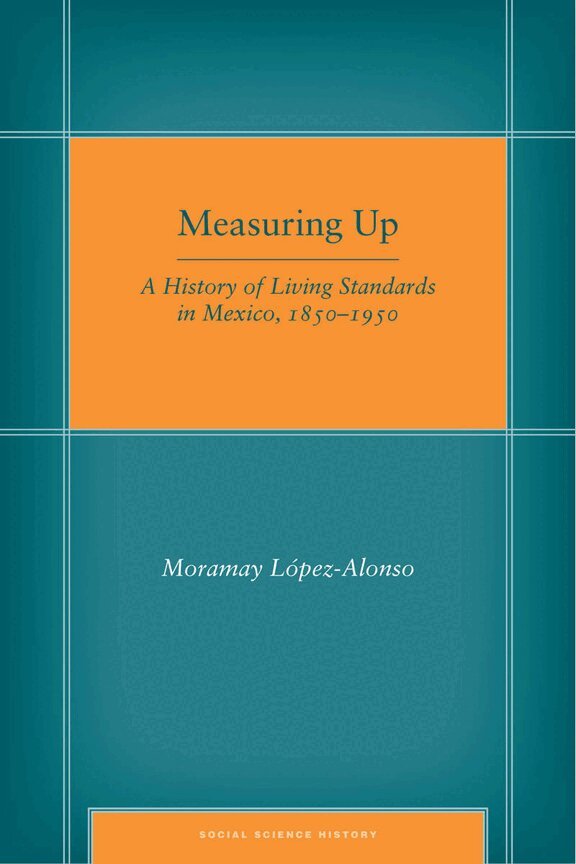
Measuring Up traces the high levels of poverty and inequality that Mexico faced in the mid-twentieth century. Using newly developed multidisciplinary techniques, the book provides a perspective on living standards in Mexico prior to the first measurement of income distribution in 1957. By offering an account of material living conditions and their repercussions on biological standards of living between 1850 and 1950, it sheds new light on the life of the marginalized during this period. Measuring Up shows that new methodologies allow us to examine the history of individuals who were not integrated into the formal economy. Using anthropometric history techniques, the book assesses how a large portion of the population was affected by piecemeal policies and flaws in the process of economic modernization and growth. It contributes to our understanding of the origins of poverty and inequality, and conveys a much-needed, long-term perspective on the living conditions of the Mexican working classes.
E-bok
Engelska, 2012936 kr
Läs direkt efter köp
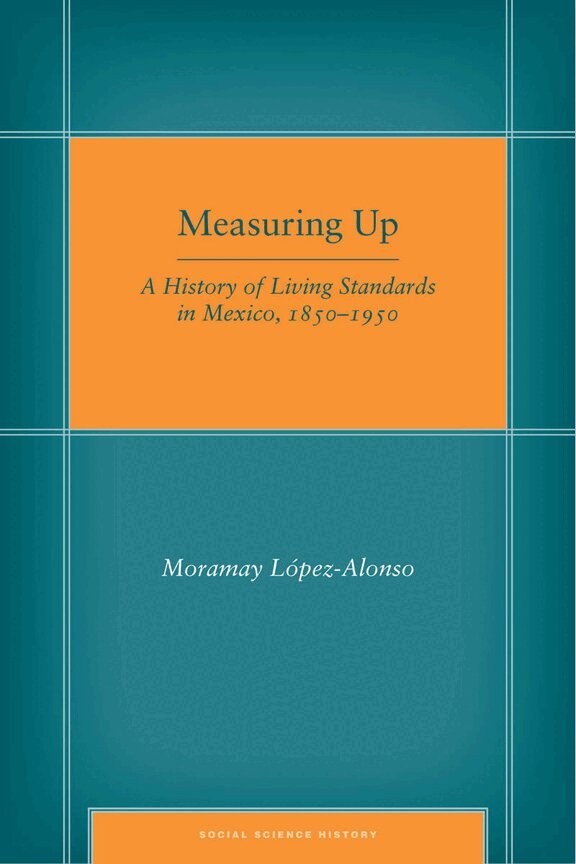
Measuring Up traces the high levels of poverty and inequality that Mexico faced in the mid-twentieth century. Using newly developed multidisciplinary techniques, the book provides a perspective on living standards in Mexico prior to the first measurement of income distribution in 1957. By offering an account of material living conditions and their repercussions on biological standards of living between 1850 and 1950, it sheds new light on the life of the marginalized during this period. Measuring Up shows that new methodologies allow us to examine the history of individuals who were not integrated into the formal economy. Using anthropometric history techniques, the book assesses how a large portion of the population was affected by piecemeal policies and flaws in the process of economic modernization and growth. It contributes to our understanding of the origins of poverty and inequality, and conveys a much-needed, long-term perspective on the living conditions of the Mexican working classes.
Inbunden, Engelska, 2026
1 568 kr
Skickas inom 10-15 vardagar
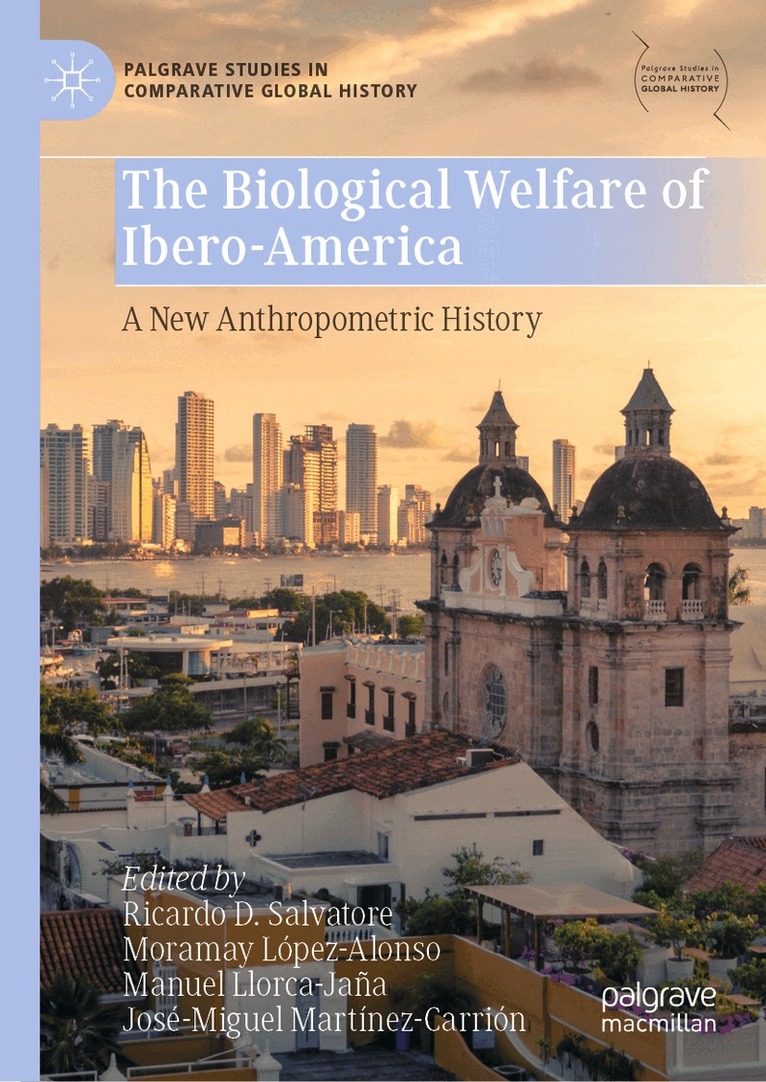
This book summarizes three decades of research in Iberian and Latin American anthropometric history, employing the most up-to-date methodologies in the field. Through a comparative and interdisciplinary approach, it examines the evolution of biological living standards in several Iberian and Latin American populations during the contemporary era, drawing on anthropometric data and its key determinants. The volume comprises nine long-term country studies—Argentina, Brazil, Chile, Colombia, Guatemala, Mexico, Peru, Portugal, and Spain—alongside an introduction and a comparative analysis. Being recognized experts on this field of study, the authors collectively display the knowledge gained in Anthropometric History in last twenty years.This edited collection highlights the value of anthropometric indicators for analyzing living standards and human well-being from a historical perspective and demonstrates the importance of interdisciplinary research in understanding human growth and biological welfare. Its findings explore the determinants of human physical development through various historical transitions, including nation-state formation, economic growth, and the expansion of public goods, as well as the long-term evolution of inequality in biological living standards across Iberian and Latin American contexts.
E-bok
Engelska, 20261 907 kr
Läs direkt efter köp
This book summarizes three decades of research in Iberian and Latin American anthropometric history, employing the most up-to-date methodologies in the field. Through a comparative and interdisciplinary approach, it examines the evolution of biological living standards in several Iberian and Latin American populations during the contemporary era, drawing on anthropometric data and its key determinants. The volume comprises nine long-term country studies—Argentina, Brazil, Chile, Colombia, Guatemala, Mexico, Peru, Portugal, and Spain—alongside an introduction and a comparative analysis. Being recognized experts on this field of study, the authors collectively display the knowledge gained in Anthropometric History in last twenty years. This edited collection highlights the value of anthropometric indicators for analyzing living standards and human well-being from a historical perspective and demonstrates the importance of interdisciplinary research in understanding human growth and biological welfare. Its findings explore the determinants of human physical development through various historical transitions, including nation-state formation, economic growth, and the expansion of public goods, as well as the long-term evolution of inequality in biological living standards across Iberian and Latin American contexts.