Murat Isik – författare
Visar alla böcker från författaren Murat Isik. Handla med fri frakt och snabb leverans.
2 produkter
2 produkter
E-bok
Tyska, 2016240 kr
Läs direkt efter köp
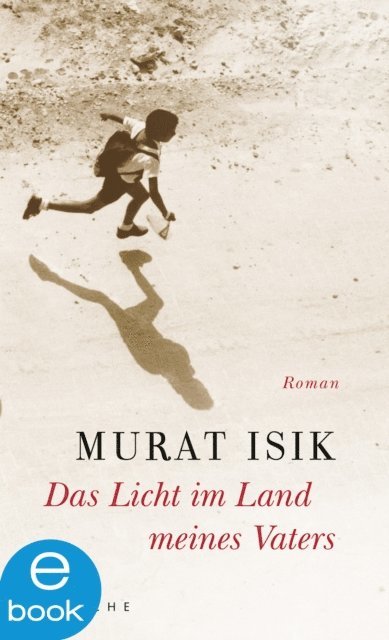
Der zehnjährige Miran wächst in den 1960er Jahren in dem Dorf Sobyan auf, das einst von Armeniern besiedelt war. Er ist der zweitälteste Sohn der Familie Uslu, die dem kurdischen Volk der Zaza angehört. Mirans Vater Selim ist Viehhirte und ein beliebterGeschichtenerzähler, seine Mutter eine schöne und einflussreiche Frau. Die Uslus führen ein karges, aber gutes Leben - bis ein Lehrer aus der Hauptstadt ins Dorf kommt, der den Kindern auf Anordnung der Regierung Türkisch beibringt. Miran heißt nun Mehmet, und der Stolz seines Vaters verursacht ein Unglück, das alles für immer verändert.Ein packender Familienroman vor dem Hintergrund der türkischen Geschichte des 20. Jahrhunderts: dem Konflikt zwischen Sunniten und Aleviten, dem Völkermord an den Armeniern, dem rückständigen Land und dem rasanten Wirtschaftsboom in den Städten.
Inbunden, Engelska, 2024
1 565 kr
Skickas inom 3-6 vardagar
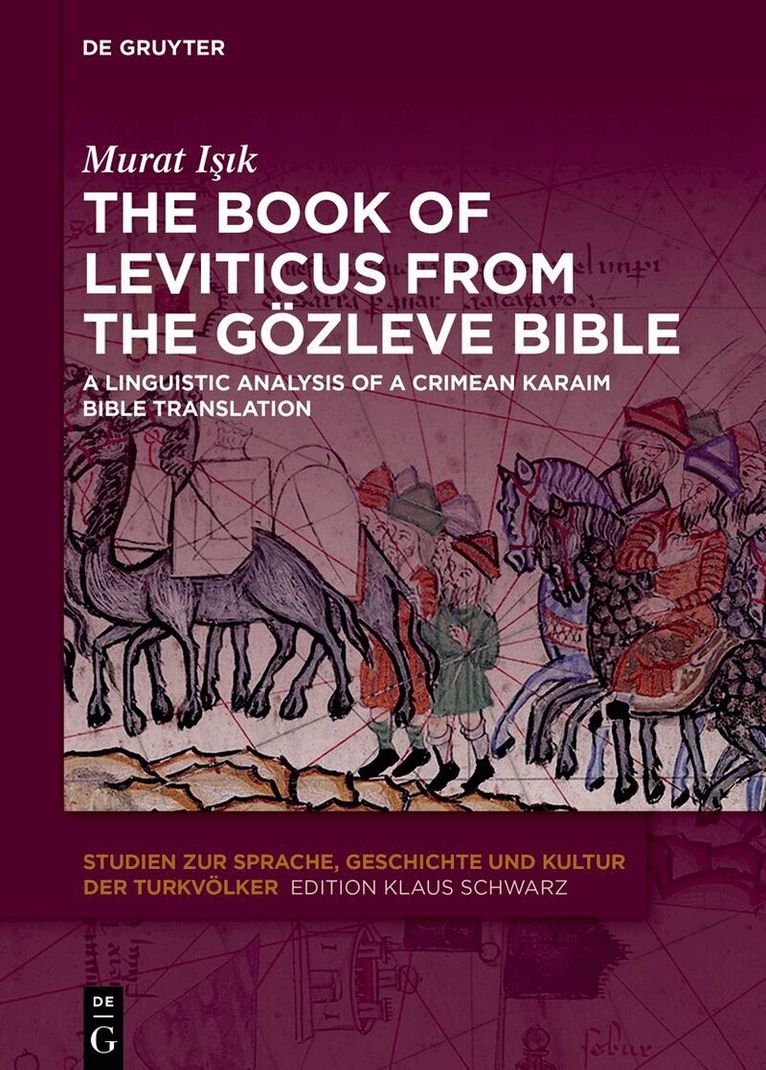
The status of Crimean Karaim, an extinct eastern dialect of Karaim, has long been a subject of debate among scholars. Some have labeled it a "ghost dialect," while others argue it assimilated into Crimean Tatar over time. The oldest written records of this dialect predominantly appear in Bible translations. The language of the corpus in this volume, specifically the Book of Leviticus from the so-called Gözleve Bible printed in 1841, is also identified as Crimean Karaim. Past research primarily analyzed the edition based on short fragments, often describing it as showing signs of Tatarization, and sometimes as being created based on Western Karaim manuscripts.This volume offers a comprehensive examination of the linguistic features of an understudied biblical book from this translation to address these claims, providing a transcription, translation, and a facsimile of the original text. The linguistic examinations, delving into phonology, morphology, morphophonology, syntax, morphosyntax, and lexicon, suggest that while the translation embodies the oldest traditions of Karaim Bible translations, it also reflects specific linguistic trends of its time, illustrating the nature of a mixed variant of Crimean Karaim.