Murray Dick – författare
Visar alla böcker från författaren Murray Dick. Handla med fri frakt och snabb leverans.
6 produkter
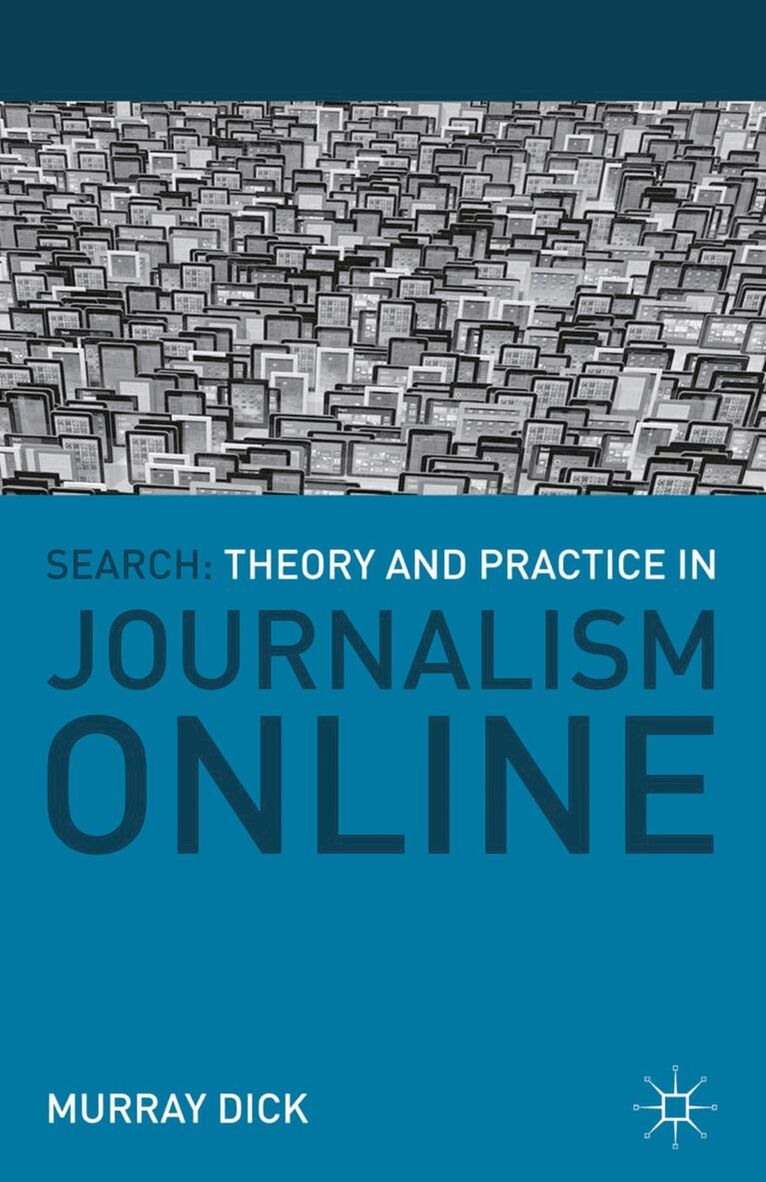
Search: Theory and Practice in Journalism Online
Av Murray Dick
Häftad, 2013
447 kr
Lägg i varukorg
Whether uncovering breaking stories, finding reliable background information, or finding the right contributors for stories and packages, there is now a wealth of information available to journalists online - but where to begin? In Search: Theory and Practice in Journalism Online, Murray Dick …
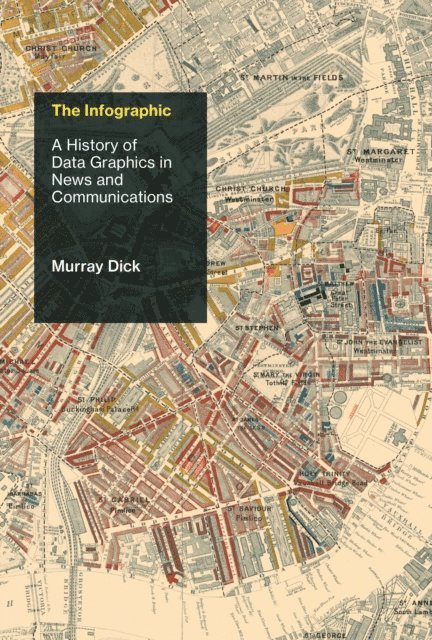
Infographic
Av Murray Dick
E-bok, 2020
436 kr
Lägg i varukorg
An exploration of infographics and data visualization as a cultural phenomenon, from eighteenth-century print culture to today''s data journalism. Infographics and data visualization are ubiquitous in our everyday media diet, particularly in news—in print newspapers, on television news, and online. …
Search: Theory and Practice in Journalism Online
Av Murray Dick
E-bok, 2013
499 kr
Lägg i varukorg
Whether uncovering breaking stories, finding reliable background information, or finding the right contributors for stories and packages, there is now a wealth of information available to journalists online - but where to begin? In Search: Theory and Practice in Journalism Online , Murray Dick …
Search: Theory and Practice in Journalism Online
Av Murray Dick
E-bok, 2013
499 kr
Lägg i varukorg
Whether uncovering breaking stories, finding reliable background information, or finding the right contributors for stories and packages, there is now a wealth of information available to journalists online - but where to begin? In Search: Theory and Practice in Journalism Online , Murray Dick …
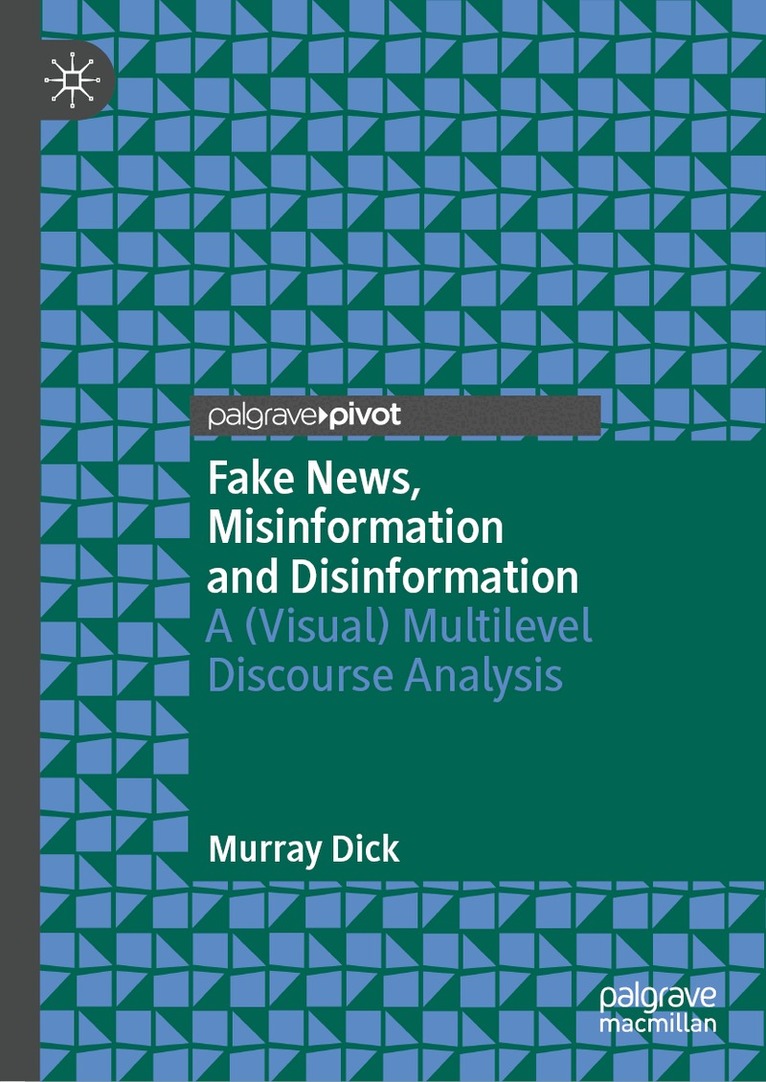
Fake News, Misinformation and Disinformation
A (Visual) Multilevel Discourse Analysis
Av Murray Dick
Inbunden, 2026
442 kr
Kommande
This book seeks to make sense of competing ideas about misinformation, by setting out a post-critical discourse analysis of the ways in which it is framed, relative to both adjacent and antecedent concepts - including fake news, disinformation, bullshit, conspiracy theory, propaganda, post-truth …
Fake News, Misinformation and Disinformation
A (Visual) Multilevel Discourse Analysis
Av Murray Dick
E-bok, 2026
571 kr
Lägg i varukorg
This book seeks to make sense of competing ideas about misinformation, by setting out a post-critical discourse analysis of the ways in which it is framed, relative to both adjacent and antecedent concepts - including fake news, disinformation, bullshit, conspiracy theory, propaganda, post-truth …