
N. E. Spear – författare
Visar alla böcker från författaren N. E. Spear. Handla med fri frakt och snabb leverans.
7 produkter
7 produkter

Häftad, Engelska, 1982
2 240 kr
Skickas inom 5-8 vardagar
First published in 1982. During the past fifty years, dramatic changes have occurred in the use of laboratory animals to study learning and memory. Yet the basic reasons for this research, diverse as they are, have not changed. At one extreme is the need for relatively direct application of findings with animal models to medical or educational problems of humans; at the other extreme, the quest for understanding animal behavior for its own sake. It is probably fair to say that no chapters in this book represent either of these extremes, although in each case the author’s purposes can be said to be like those of some scientists working in this area fifty years ago. In contrast to this continuity of purpose, the approach that scientists now take in this area of study is really quite different from that of most or all scientists in the 1930s.

Inbunden, Engelska, 1984
541 kr
Skickas inom 10-15 vardagar
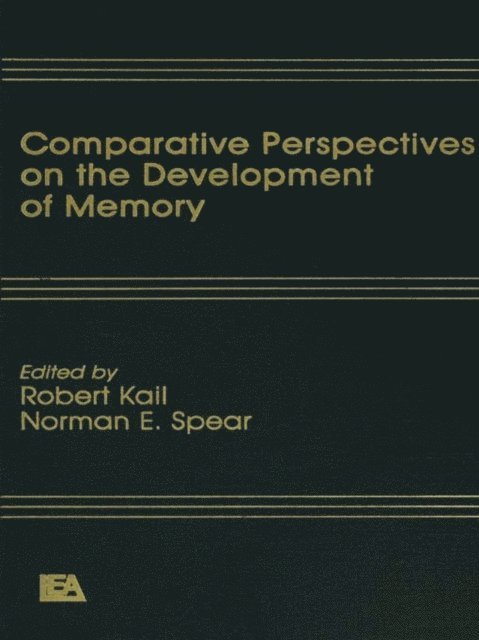
Published in the year 1984, Comparative Perspectives on the Development of Memory is a valuable contribution to the field of Developmental Psychology.
E-bok
PDF, Engelska, 2013605 kr
Läs direkt efter köp
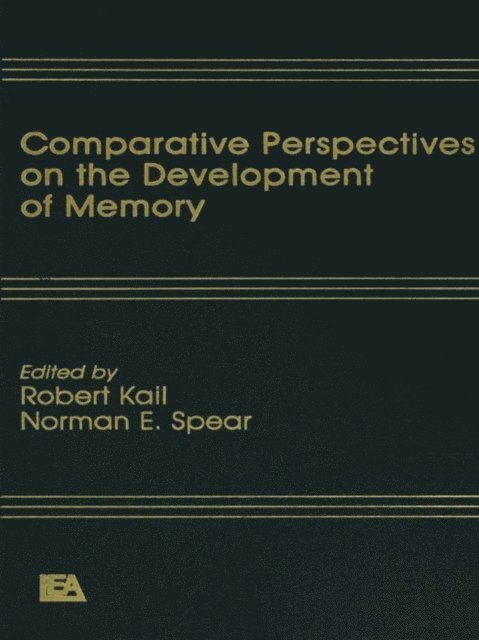
Published in the year 1984, Comparative Perspectives on the Development of Memory is a valuable contribution to the field of Developmental Psychology.
E-bok
Engelska, 2013605 kr
Läs direkt efter köp
Published in the year 1984, Comparative Perspectives on the Development of Memory is a valuable contribution to the field of Developmental Psychology.

Inbunden, Engelska, 2017
2 828 kr
Skickas inom 10-15 vardagar
First published in 1982. During the past fifty years, dramatic changes have occurred in the use of laboratory animals to study learning and memory. Yet the basic reasons for this research, diverse as they are, have not changed. At one extreme is the need for relatively direct application of findings with animal models to medical or educational problems of humans; at the other extreme, the quest for understanding animal behavior for its own sake. It is probably fair to say that no chapters in this book represent either of these extremes, although in each case the author’s purposes can be said to be like those of some scientists working in this area fifty years ago. In contrast to this continuity of purpose, the approach that scientists now take in this area of study is really quite different from that of most or all scientists in the 1930s.

E-bok
Engelska, 20142 102 kr
Läs direkt efter köp
First published in 1982. During the past fifty years, dramatic changes have occurred in the use of laboratory animals to study learning and memory. Yet the basic reasons for this research, diverse as they are, have not changed. At one extreme is the need for relatively direct application of findings with animal models to medical or educational problems of humans; at the other extreme, the quest for understanding animal behavior for its own sake. It is probably fair to say that no chapters in this book represent either of these extremes, although in each case the author’s purposes can be said to be like those of some scientists working in this area fifty years ago. In contrast to this continuity of purpose, the approach that scientists now take in this area of study is really quite different from that of most or all scientists in the 1930s.

E-bok
PDF, Engelska, 20142 102 kr
Läs direkt efter köp
First published in 1982. During the past fifty years, dramatic changes have occurred in the use of laboratory animals to study learning and memory. Yet the basic reasons for this research, diverse as they are, have not changed. At one extreme is the need for relatively direct application of findings with animal models to medical or educational problems of humans; at the other extreme, the quest for understanding animal behavior for its own sake. It is probably fair to say that no chapters in this book represent either of these extremes, although in each case the author’s purposes can be said to be like those of some scientists working in this area fifty years ago. In contrast to this continuity of purpose, the approach that scientists now take in this area of study is really quite different from that of most or all scientists in the 1930s.