Nancy Ann Watanabe – författare
Visar alla böcker från författaren Nancy Ann Watanabe. Handla med fri frakt och snabb leverans.
3 produkter
3 produkter
1 066 kr
Tillfälligt slut
This book goes beyond most studies of Yeats to probe the depths of this famous poet's visual imagination. In a thorough and decisive explanation, Nancy Watanabe covers Yeat's twenty-four major plays, analyzing the text for the poetic cinematographic, theocentric, cosmological, biotechnical, and dramatic elements of the poet's vision. She also contributes to the criticism of Yeats by establishing the various ways that the poet attempted to embrace all of the laws of human fate. Unique in her approach, Watanabe demonstrates how Yeats included his knowledge of Japanese religious theater, Victorian poetry, French symbolism, and American inventiveness. Readers of this book will gain not only a thorough knowledge of Yeat's poetry, but also a new way of looking at a widely studied poet.
1 173 kr
Skickas inom 10-15 vardagar
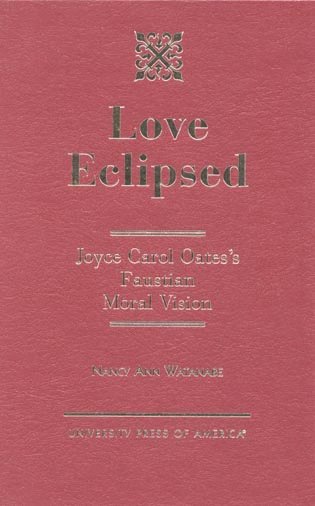
This book demonstrates the greatness of Joyce Carol Oates, who is a nominee for a Nobel Award in Literature. Nancy Watanabe discusses Oates's previously undiscovered roots in the literatures of Europe and Asia. Watanabe's thought-provoking analyses are enhanced by a cinematically inspired principle of organization that reflects Oates's own stratagems. In a massive build-up of metaphorical links between a Copernican world of nature and actions taken by ordinary people in the course of their daily living, Oates portrays America as a land of justice that is always a step behind a Faustian desire for freedom to pursue material desires. Oates documents an eclipsing of a divinely inspired Christian love by Faustian quest. Through this study, readers will gain a broader perspective and a more accurate assessment of Oates's global significance.
940 kr
Skickas inom 10-15 vardagar
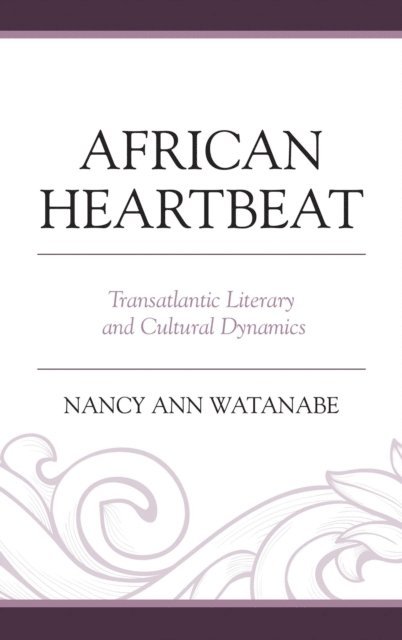
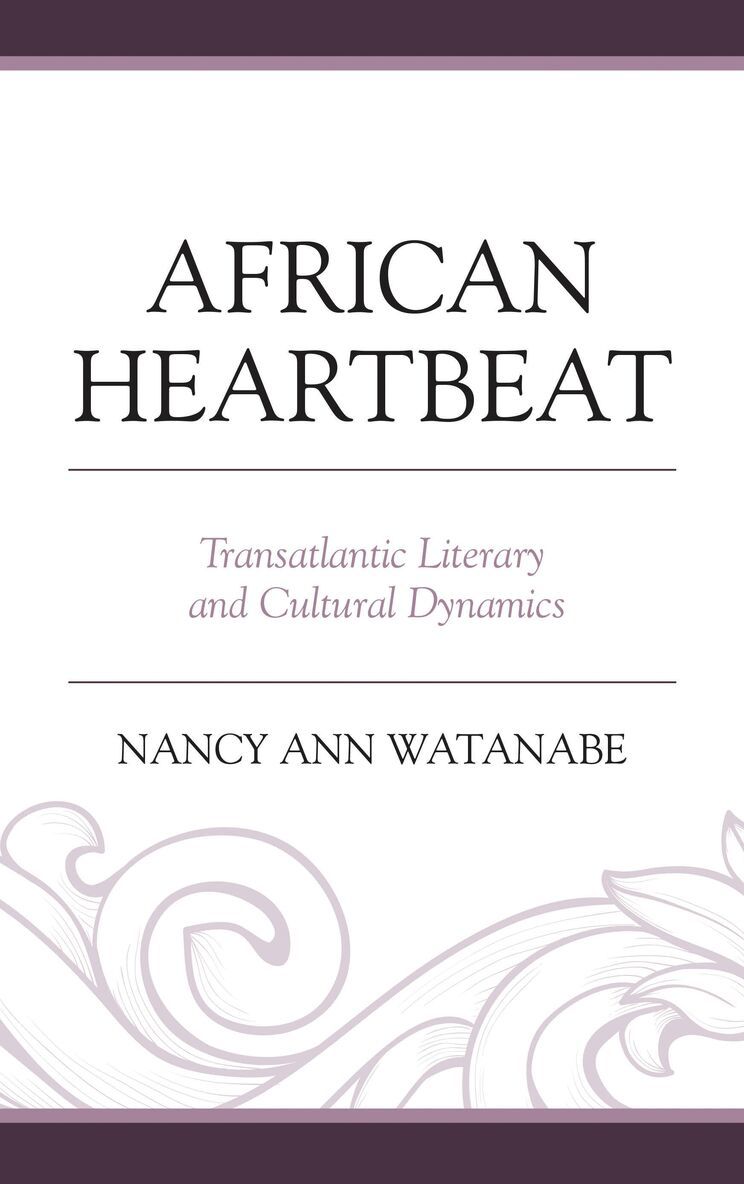
This book critically examines classic works of literature and film to suggest ways in which study of fictional characters, cultural themes, and vivid imagery helps us to grapple with, understand, and find resolutions for, problems that seriously concern Americans, including uniformed officers and public officials, as well as the general populace in today’s turbulent times. Chapter 1 analyzes Harriet Beecher Stowe’s Uncle Tom’s Cabin and Tony Scott’s Enemy of the State to support the author’s theory that contemporary police violence against young African-American men is a result of “persistence of vision” whereby the powerful Fugitive Slave Laws of the American Civil War era exert a continuing influence upon the minds of law enforcement officers and almost all African Americans. Chapter 2 “Zora Neale Hurston: Africa Transported to America” discusses Jonah’s Gourd Vine and Their Eyes Were Watching God to reveal the West African Vodun cosmological theology that informs and determines the lifelong trajectory of macho male protagonist John Buddy Pearson and feminist female protagonist Janie Mae Crawford in their quests for love and spiritual fulfillment. She suggests the Civil War disrupted a theological affinity shared by African Americans with Christian Americans, a kinship at the heart of Hurston’s oeuvre. Chapter 3 reveals the West African origin of the theological design in Juan Rulfo’s Pedro Paramo: A Novel of Mexico and in short fiction works by several contemporary Mexican writers while also investigating the impact, in particular the toll in human suffering, of violent confrontations taking place along the border shared by Mexico and the U.S. Her critical analysis highlights the stream of consciousness narrative technique, which probes the depths of human agony exacted by violations of international boundaries. She demonstrates Shakespeare’s influence. Moreover, as a specialist in Comparative and English Literature, she contributes to Shakespeare scholarship on Hamlet, Prince of Denmark unprecedented insight into the meaning and significance of King Hamlet’s ghost, expanding traditional Christian perspectives and providing historical and textual explications that encompass West African Vodun cosmology. Dr. Watanabe diagnoses Hamlet’s madness as a funky aspect of Shakespeare’s knowledge of “voodoo.”