Nancy J. Rothwell – författare
Visar alla böcker från författaren Nancy J. Rothwell. Handla med fri frakt och snabb leverans.
5 produkter
5 produkter
Häftad, Engelska, 2011
799 kr
Skickas inom 7-10 vardagar
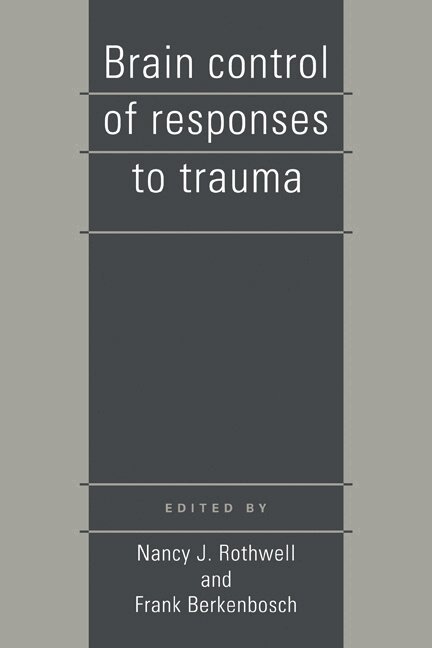
Originally published in 1994, this was the first volume to look in depth at the way the brain responds to trauma and subsequently integrates and influences behavioural, metabolic, neurohumoral, cardiovascular and immune functions. At the time, the role of the brain in the control and integration of the responses to injury and infection was becoming increasingly clear. It had been established that some of these responses, such as fever and neuroendocrine changes, responded to the direct influence of the central nervous system. These, and other advances, provided fresh insights into this area and formed a basis for the more effective understanding and clinical management of trauma patients. In this volume, the authors, all international authorities in their fields, discuss data from experimental and clinical studies and considered the implications of these findings for the treatment of the trauma patient.
Inbunden, Engelska, 1994
1 911 kr
Skickas inom 7-10 vardagar
Originally published in 1994, this was the first volume to look in depth at the way the brain responds to trauma and subsequently integrates and influences behavioural, metabolic, neurohumoral, cardiovascular and immune functions. At the time, the role of the brain in the control and integration of the responses to injury and infection was becoming increasingly clear. It had been established that some of these responses, such as fever and neuroendocrine changes, responded to the direct influence of the central nervous system. These, and other advances, provided fresh insights into this area and formed a basis for the more effective understanding and clinical management of trauma patients. In this volume, the authors, all international authorities in their fields, discuss data from experimental and clinical studies and considered the implications of these findings for the treatment of the trauma patient.
E-bok
PDF, Engelska, 2013693 kr
Läs direkt efter köp
Häftad, Engelska, 2012
549 kr
Skickas inom 10-15 vardagar
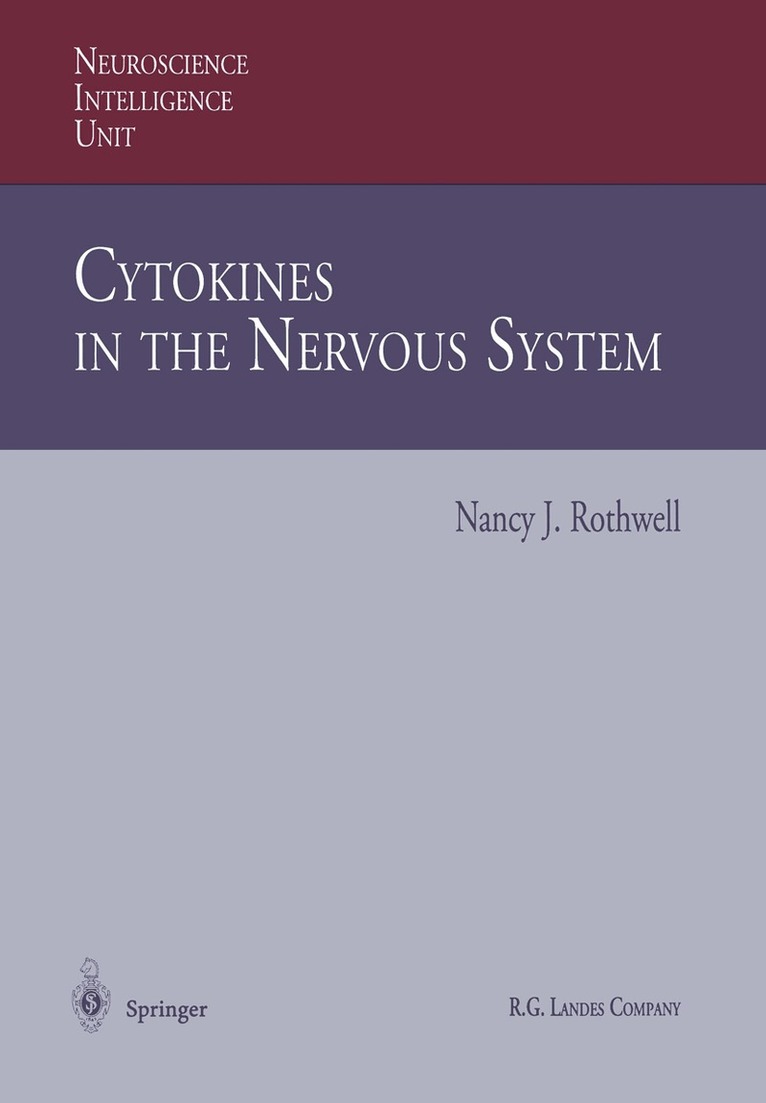
N aney J. Rothwell ytokine neurobiology is now a hot topic! Only a few years ago C most neuroscientists were only dimly aware of cytokines and knew little about their function or biological importance. Cytokines, now a huge collection of polypeptides with diverse activities, were until quite recently, studied by those interested in the immune system, inflamma- tion, cancer or infection in peripheral tissues, and did not feature in neuroscience. For example, less than five years ago virtually no refer- ence was made to cytokines in any of the numerous abstracts at the American Society for Neuroscience annual meeting. This situation has now changed dramatically. In an article in early 1995 (Hopkins and Rothwell), we reported an exponential increase in articles on cytokines and the nervous system within the previous year and it seems that this publication frenzy is continuing. There are sev- eral reasons for such interest in cytokines and the nervous system. Firstly, the field of neuroimmunology (or psychoneuroimmunologyl psychoneuroendocrinology) has developed considerably in the past five years.Thus the importance of interactions between the nervous, im- mune and endocrine systems in responses to disease, injury and stress is now recognized. These bidirectional communications have been mirrored by active dialogue (and even collaboration) between neuro- scientists and immunologists. Cytokines form a critical part of neuroimmune interactions.
E-bok
Engelska, 2013807 kr
Läs direkt efter köp
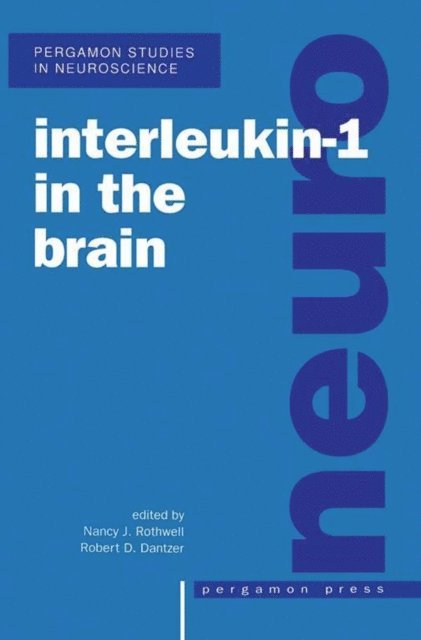
Interest in interleukin-1 (IL-1) has increased dramatically over the last decade, but has been largely restricted to immunologists, cell biologists and those studying inflammation and cancer. However, it has recently been recognized that the brain directly controls or modulates many aspects of immune function, while molecules classically associated with the immune system, such as interleukin-1, are synthesised within the brain and act directly on the central nervous system to modify local and systemic functions. Thus, this topic is relatively new to neurobiologists, and this book is the first comprehensive description of current knowledge on interleukin-1 in the brain, including its location, synthesis and receptors, actions on behaviour, fever, metabolism, neuroendocrine function, electrical activity of the brain, nerve growth factor, and relationship to clinical indications. The book is organised into three sections. The first reviews the data available on the neural localisation of IL-1 and the nature of its central receptors. The main part of the book examines the different neural effects of IL-1 and the mechanisms which are involved in these actions, comparing IL-1 where possible to other inflammatory cytokines which also have neurotrophic effects. The final section evaluates the possible role of IL-1 in neural plasticity and neuronal degeneration.