Nancy Langston – författare
Visar alla böcker från författaren Nancy Langston. Handla med fri frakt och snabb leverans.
7 produkter
7 produkter
Häftad, Engelska, 1996
437 kr
Skickas inom 5-8 vardagar
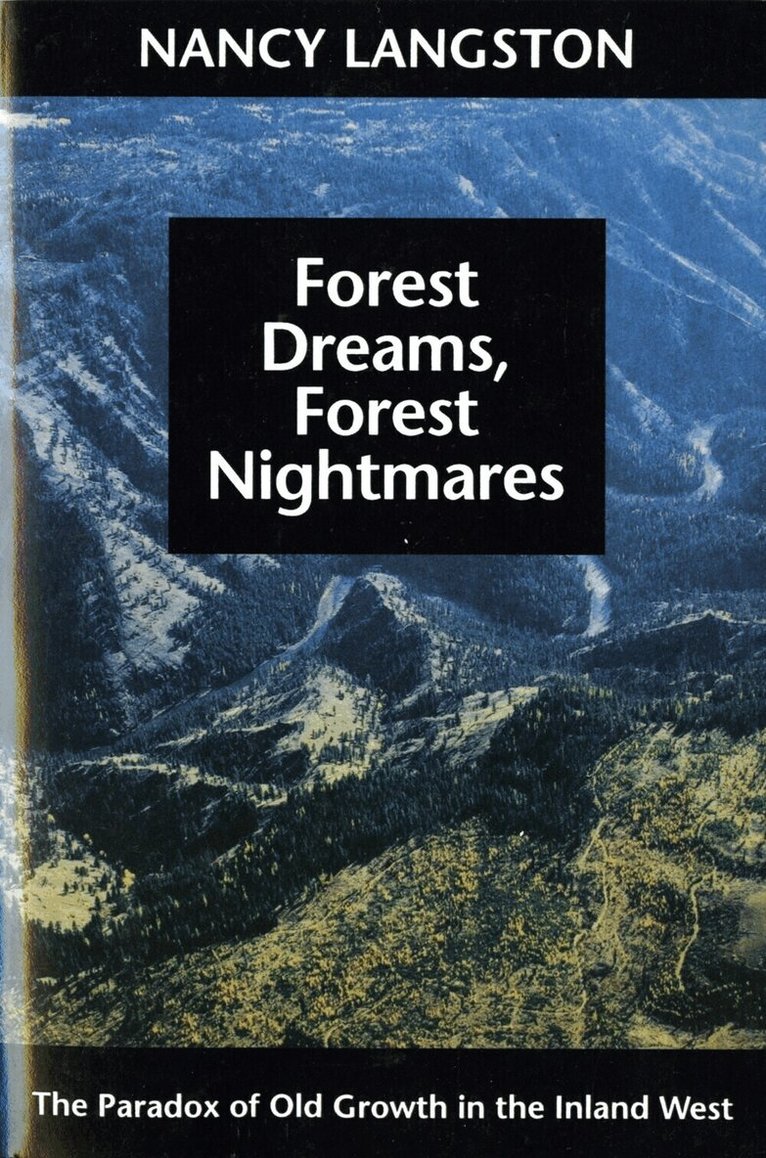
Across the inland West, forests that once seemed like paradise have turned into an ecological nightmare. Fires, insect epidemics, and disease now threaten millions of acres of once-bountiful forests. Yet no one can agree what went wrong. Was it too much management—or not enough—that forced the forests of the inland West to the verge of collapse? Is the solution more logging, or no logging at all? In this gripping work of scientific and historical detection, Nancy Langston unravels the disturbing history of what went wrong with the western forests, despite the best intentions of those involved.Focusing on the Blue Mountains of northeastern Oregon and southeastern Washington, she explores how the complex landscapes that so impressed settlers in the nineteenth century became an ecological disaster in the late twentieth. Federal foresters, intent on using their scientific training to stop exploitation and waste, suppressed light fires in the ponderosa pinelands. Hoping to save the forests, they could not foresee that their policies would instead destroy what they loved. When light fires were kept out, a series of ecological changes began. Firs grew thickly in forests once dominated by ponderosa pines, and when droughts hit, those firs succumbed to insects, diseases, and eventually catastrophic fires.Nancy Langston combines remarkable skills as both scientist and writer of history to tell this story. Her ability to understand and bring to life the complex biological processes of the forest is matched by her grasp of the human forces at work—from Indians, white settlers, missionaries, fur trappers, cattle ranchers, sheep herders, and railroad builders to timber industry and federal forestry managers.The book will be of interest to a wide audience of environmentalists, historians, ecologists, foresters, ranchers, and loggers—and all people who want to understand the changing lands of the West.
Häftad, Engelska, 2006
500 kr
Skickas inom 3-6 vardagar
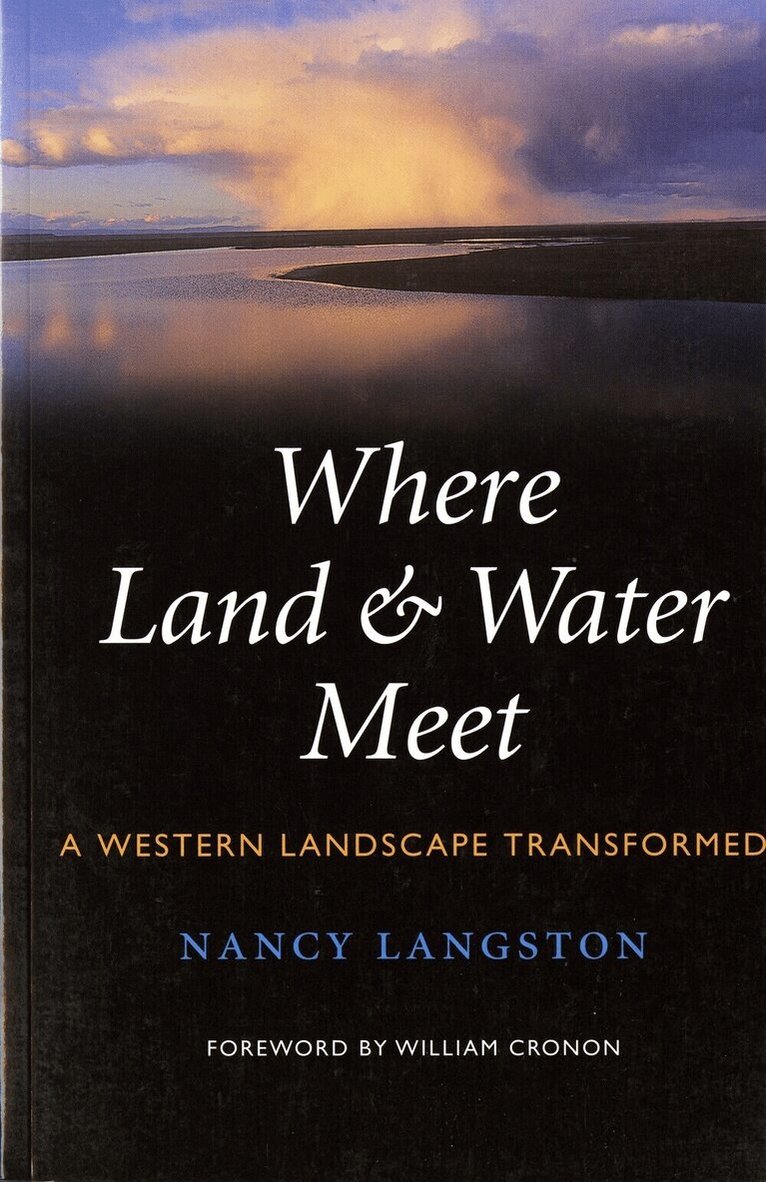
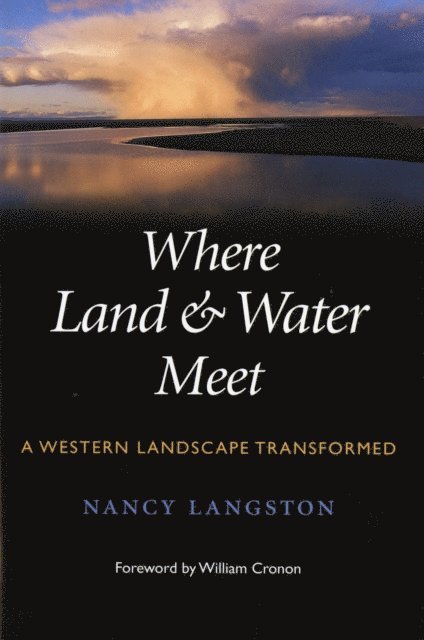
Water and land interrelate in surprising and ambiguous ways, and riparian zones, where land and water meet, have effects far outside their boundaries. Using the Malheur Basin in southeastern Oregon as a case study, this intriguing and nuanced book explores the ways people have envisioned boundaries between water and land, the ways they have altered these places, and the often unintended results.The Malheur Basin, once home to the largest cattle empires in the world, experienced unintended widespread environmental degradation in the late nineteenth and early twentieth centuries. After establishment in 1908 of Malheur National Wildlife Refuge as a protected breeding ground for migratory birds, and its expansion in the 1930s and 1940s, the area experienced equally extreme intended modifications aimed at restoring riparian habitat. Refuge managers ditched wetlands, channelized rivers, applied Agent Orange and rotenone to waterways, killed beaver, and cut down willows. Where Land and Water Meet examines the reasoning behind and effects of these interventions, gleaning lessons from their successes and failures.Although remote and specific, the Malheur Basin has myriad ecological and political connections to much larger places. This detailed look at one tangled history of riparian restoration shows how—through appreciation of the complexity of environmental and social influences on land use, and through effective handling of conflict—people can learn to practice a style of pragmatic adaptive resource management that avoids rigid adherence to single agendas and fosters improved relationships with the land.
Inbunden, Engelska, 2026
328 kr
Kommande
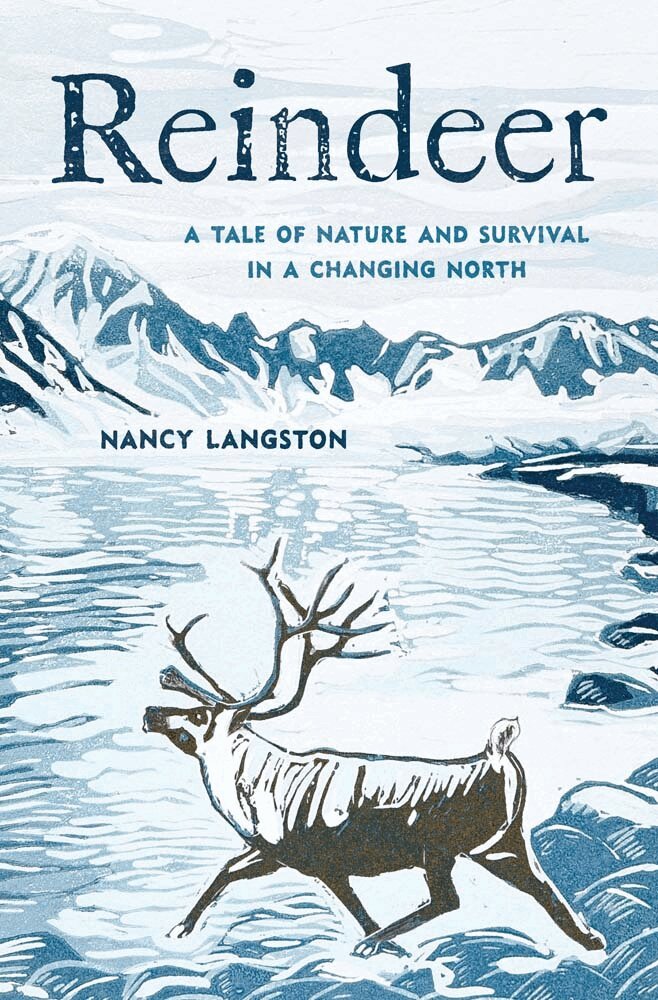
A global history of human relationships with reindeer, and how wildlife relocation can preserve both reindeer populations and cultural heritageAcross the Arctic and the boreal north, reindeer populations are dwindling as our ever developing planet grows warmer. Reindeer range is roughly half what it was in the nineteenth century, and populations have dropped by more than half in the past ten years alone. However, we have a conservation tool at hand for this crisis: wildlife translocation, or moving animals to more suitable habitats.In this book, the first popular global history of reindeer, Nancy Langston interweaves historical research with accounts of her fieldwork in northern Scandinavia, Iceland, North America, Mongolia, and elsewhere. She details the history of struggles faced by communities that have relied on reindeer hunting and herding and engages with the scientific debates about the need to move northern wildlife to viable habitats because of human activities. She also addresses the challenges—logistical, ethical, and societal—of moving large animals in a world with complex geopolitical boundaries.Enhanced by the author’s own artwork, this passionate, informed, and surprisingly hopeful volume sheds light on the complicated past and possible futures of reindeer and the cultures surrounding them.
Inbunden, Engelska, 2021
1 431 kr
Skickas inom 3-6 vardagar
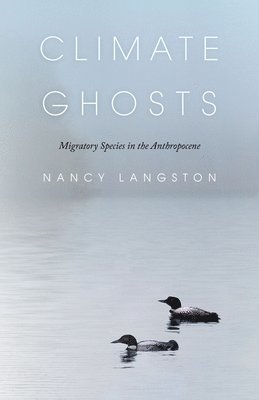
Climate Ghosts deals with the important issue of climate change and human impact on three species: woodland caribou, common loons, and lake sturgeon. Environmental historian Nancy Langston explores three “ghost species” in the Great Lakes watershed—woodland caribou, common loons, and lake sturgeon. Ghost species are those that have not gone completely extinct, although they may be extirpated from a particular area. Their traces are still present, whether in DNA, in small fragmented populations, in lone individuals roaming a desolate landscape in search of a mate. We can still restore them if we make the hard choices necessary for them to survive. In this meticulously researched book, Langston delves into how climate change and human impact affected these now ghost species. Climate Ghosts covers one of the key issues of our time.
Häftad, Engelska, 2021
253 kr
Skickas inom 5-8 vardagar
Climate Ghosts deals with the important issue of climate change and human impact on three species: woodland caribou, common loons, and lake sturgeon. Environmental historian Nancy Langston explores three “ghost species” in the Great Lakes watershed—woodland caribou, common loons, and lake sturgeon. Ghost species are those that have not gone completely extinct, although they may be extirpated from a particular area. Their traces are still present, whether in DNA, in small fragmented populations, in lone individuals roaming a desolate landscape in search of a mate. We can still restore them if we make the hard choices necessary for them to survive. In this meticulously researched book, Langston delves into how climate change and human impact affected these now ghost species. Climate Ghosts covers one of the key issues of our time.
Häftad, Engelska
235 kr
Tillfälligt slut
271 kr
Tillfälligt slut