Natale Barca – författare
Visar alla böcker från författaren Natale Barca. Handla med fri frakt och snabb leverans.
10 produkter
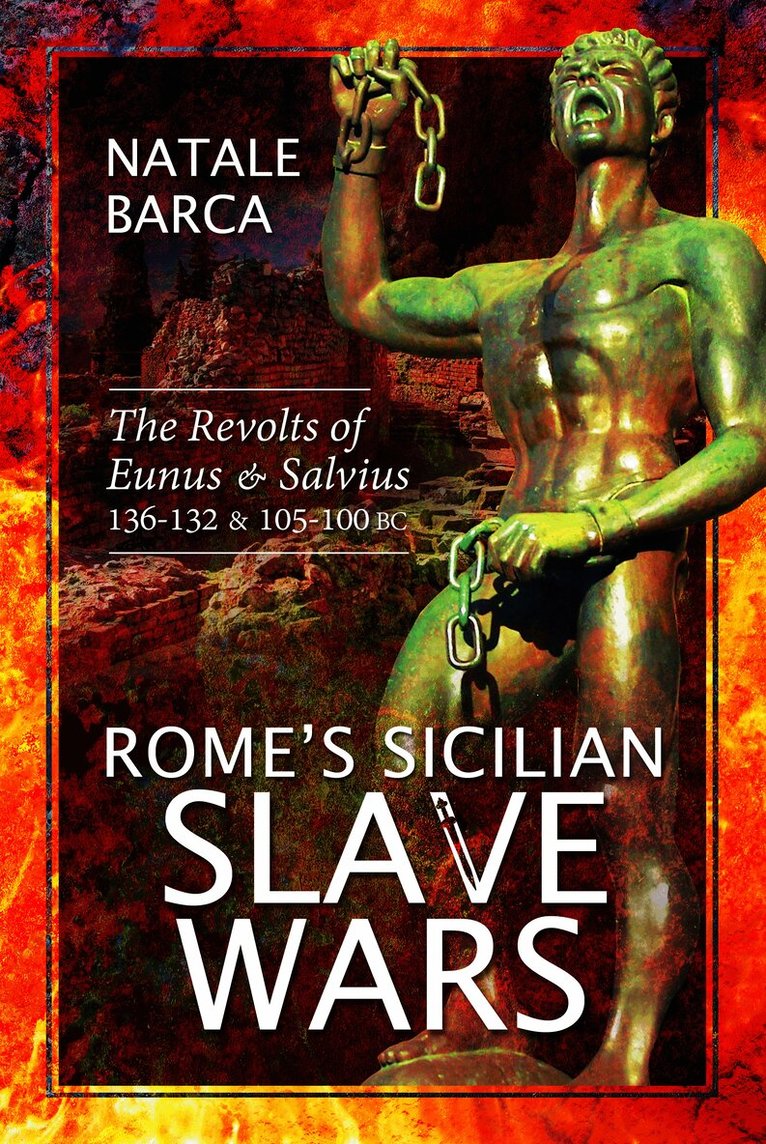
Rome's Sicilian Slave Wars
The Revolts of Eunus and Salvius, 136-132 and 105-100 BC
Av Natale Barca
Häftad, 2027
330 kr
Kommande
In 136 BC, in Sicily (which was then a Roman province), some four hundred slaves of Syrian origin rebelled against their masters and seized the city of Henna with much bloodshed. Their leader, a fortune-teller named Eunus, was declared king (taking the Syrian royal name Antiochus), and tens of …
Rome's Sicilian Slave Wars
The Revolts of Eunus & Salvius, 136–132 & 105–100 BC
Av Natale Barca
E-bok, 2020
149 kr
Lägg i varukorg
A study of the two Late Republic slave revolts, exploring their social context, the nature of slavery at the time, and the causes of the conflicts.In 136 BC, in Sicily (which was then a Roman province), some four hundred slaves of Syrian origin rebelled against their masters and seized the city of …
Rome's Sicilian Slave Wars
The Revolts of Eunus & Salvius, 136–132 & 105–100 BC
Av Natale Barca
E-bok, 2020
149 kr
Lägg i varukorg
A study of the two Late Republic slave revolts, exploring their social context, the nature of slavery at the time, and the causes of the conflicts.In 136 BC, in Sicily (which was then a Roman province), some four hundred slaves of Syrian origin rebelled against their masters and seized the city of …
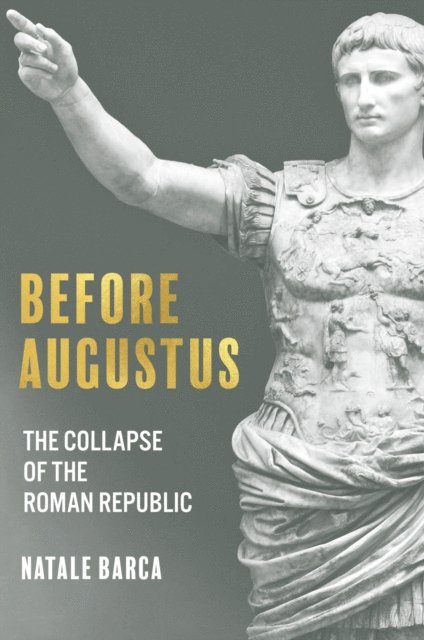
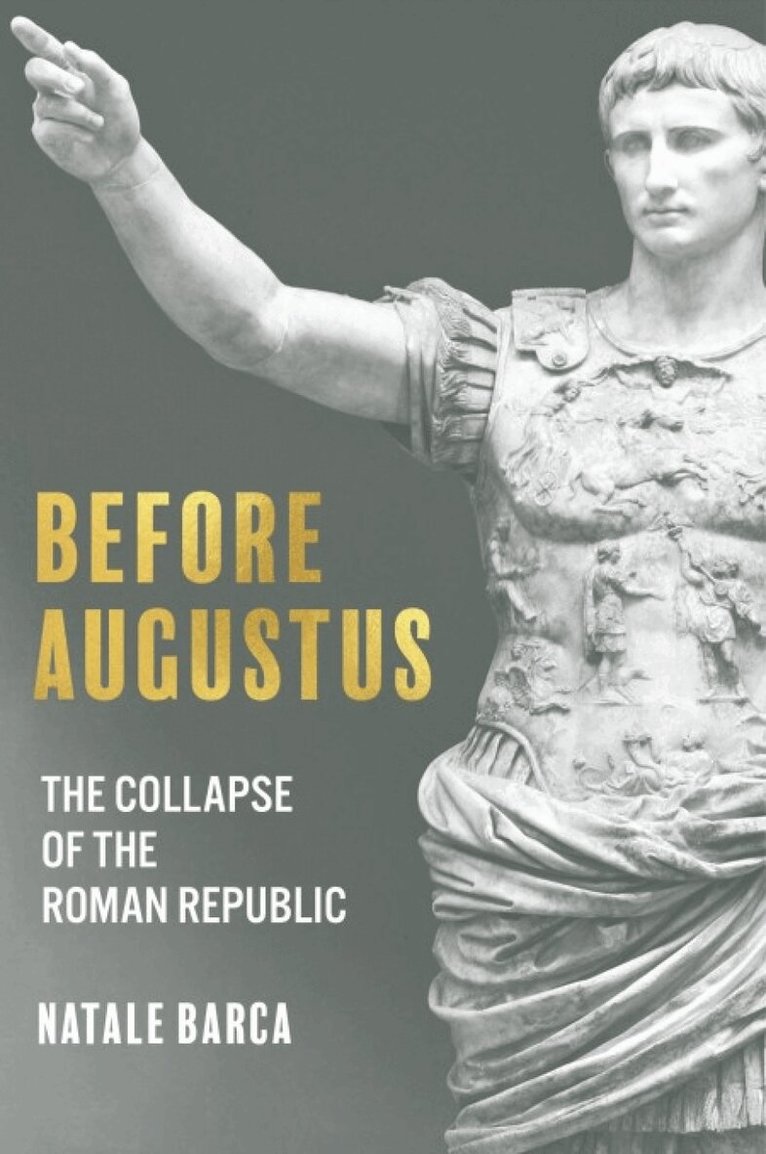
Before Augustus
The Collapse of the Roman Republic
Av Natale Barca
E-bok, 2023
294 kr
Lägg i varukorg
"...the author does an admirable job of showing just how complicated and interconnected all the great patrician families were and how their jealousies and rivalries ultimately led to their undoing and the end of the great Roman Republic." — New York Journal of BooksThe political process that …
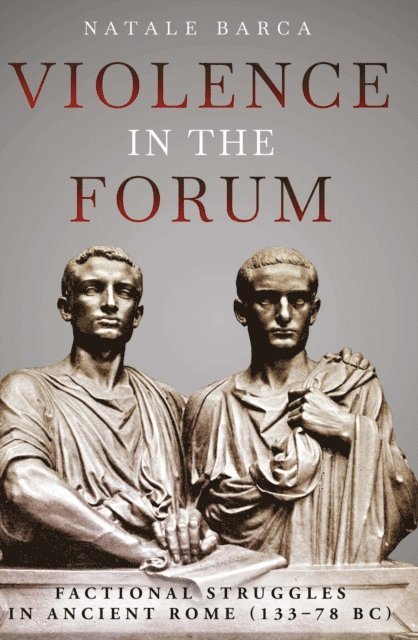
Violence in the Forum
Factional Struggles in Ancient Rome (133–78 BC)
Av Natale Barca
Inbunden, 2024
366 kr
Lägg i varukorg
“The entry of daggers into the Forum” is an expression that identifies two precise historical moments: when two tribunes of the plebs—brothers Tiberius Sempronius Gracchus and Caius Sempronius Gracchus—were murdered in Rome in 133 and 122 BC amidst bloody riots. These deaths and subsequent events …
Violence in the Forum
Factional Struggles in Ancient Rome (133–78 BC)
Av Natale Barca
E-bok, 2024
250 kr
Lägg i varukorg
"Barca''s treatment of the causes of the decline of the Roman Republic is of great value for readers unfamiliar with the period and with Roman institutions… provides clear explanations of the various political, religious, and military institutions, and a very detailed chronology." -The NYMAS Review …
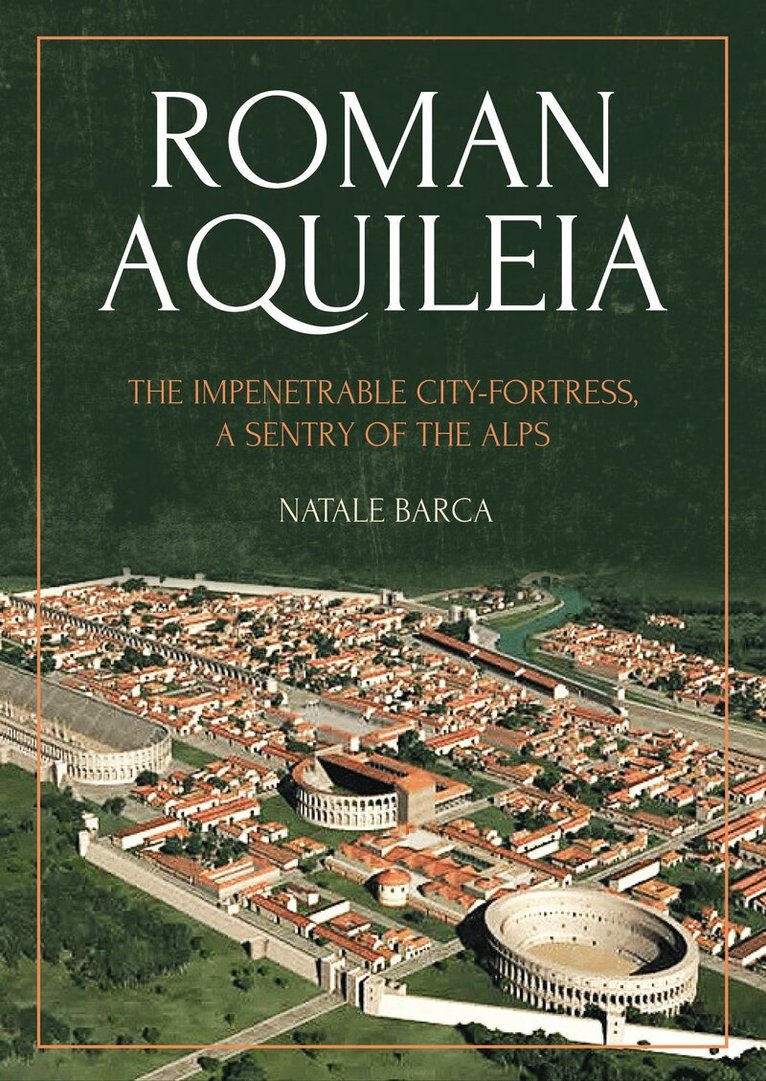
Roman Aquileia
The Impenetrable City-Fortress, a Sentry of the Alps
Av Natale Barca
Häftad, 2022
549 kr
Lägg i varukorg
This book shows how a military colony became a large, impressive and prosperous city. Legendary for its walls and port, it was able to play a basic role in the great strategy of ancient Rome between the Po and the Danube, spanning the centuries from its foundation (181 BC) to the fateful days of …
Before Augustus
The Collapse of the Roman Republic
Av Natale Barca
Inbunden, 2023
388 kr
Tillfälligt slut
This new history of the last years of the Roman Republic sets the leading men, and women, in the complex social and political system of the time, to provide a full context to the historical events and epic battles of the 1st century BC. Scholar Natale Barca examines the actions not only of the …
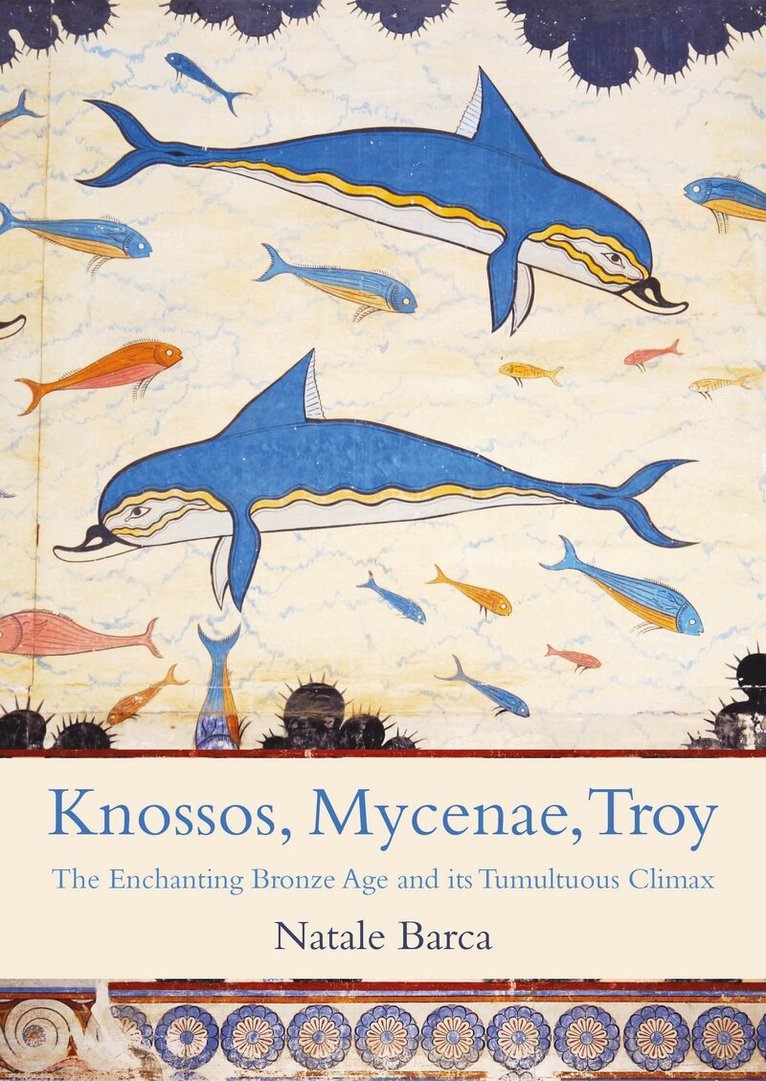
Knossos, Mycenae, Troy
The Enchanting Bronze Age and its Tumultuous Climax
Av Natale Barca
Häftad, 2023
578 kr
Tillfälligt slut
This book charts the rise of and interplay between the first Mediterranean civilisations – with particular reference to the Minoan, Cycladic, Mycenaean and Trojan – and on the causes of their decline, which are identified in a jumble of natural and human causes, and in a slow, but irreversible …