Nathan Crawford – författare
Visar alla böcker från författaren Nathan Crawford. Handla med fri frakt och snabb leverans.
5 produkter
5 produkter
Inbunden, Engelska, 2011
504 kr
Skickas inom 5-8 vardagar
Häftad, Engelska, 2011
364 kr
Skickas inom 5-8 vardagar
Häftad, Engelska, 2015
264 kr
Skickas inom 5-8 vardagar
E-bok
Engelska, 2011617 kr
Läs direkt efter köp
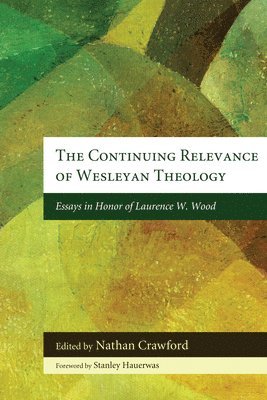
What does the Wesleyan message have to say to the greater theological world? This is a question that Laurence Wood has taken up as his concern throughout his career. In order to honor his work, this collection takes up this question through a series of essays designed to show how Wesleyan Theology, while distinctive, has a continued relevance to the wider world of theological scholarship. This collection does this in two ways. First, by showing how the Wesleyan distinctives have been present throughout the history of theology. And secondly, the collection brings the Wesleyan distinctives into conversation with various contemporary theological conversations, ranging from theological hermeneutics and the science-religion dialogue to the practice of preaching and spirituality. The result is a volume that puts Wesleyan theology into continued dialogue with the broader theological world, showing its vitality and importance for the contemporary situation.
Del 13 - Studies in Systematic Theology
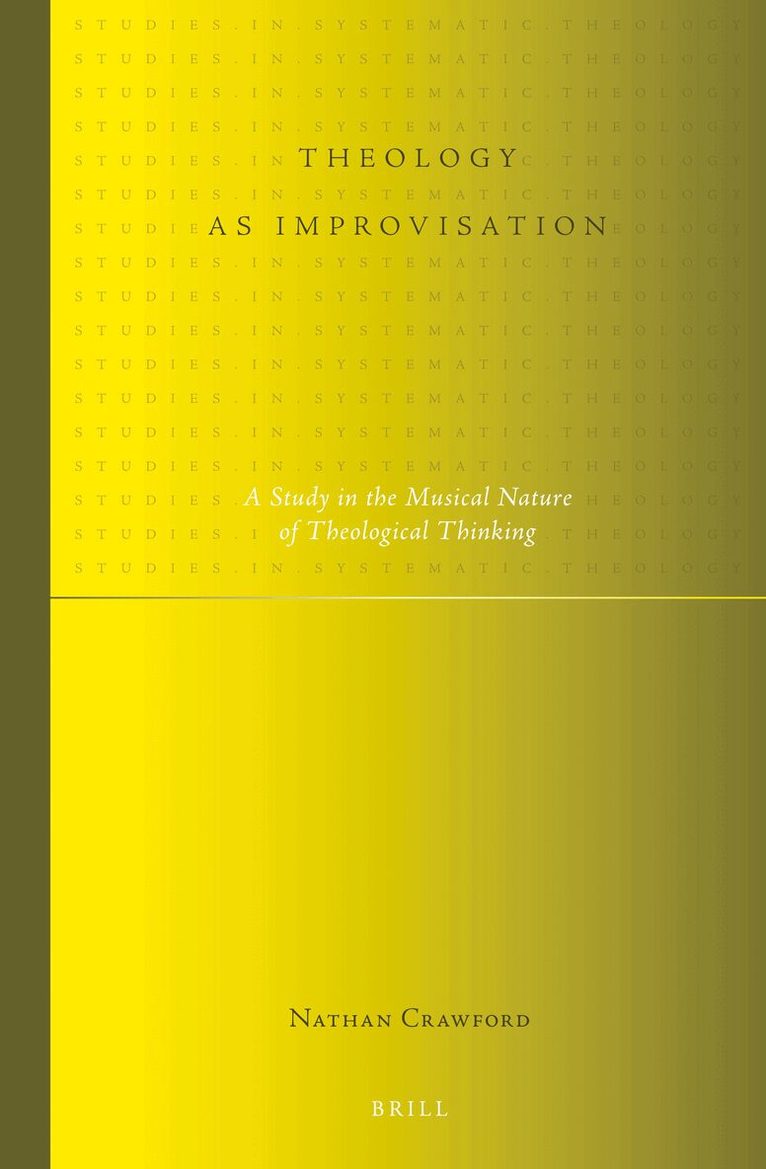
Theology as Improvisation
A Study in the Musical Nature of Theological Thinking
Inbunden, Engelska, 2013
2 686 kr
Skickas inom 5-8 vardagar
In Theology as Improvisation, Nathan Crawford reimagines the possibilities for how theology thinks God within a postmodern world. He argues that theology is improvisation by analyzing the nature of attunement within theological thinking and how this opens certain possibilities for theology. He does so by engaging a number of thinkers, including Martin Heidegger, Jacques Derrida, David Tracy, and Saint Augustine. He navigates the nature of thinking God in a postmodern world by using these thinkers to offer critiques of onto-theological thinking and totalizing systems while also following their embrace of the fragment and focus upon the nature of thinking as attunement. The result is a unique way of approaching theological thinking in our contemporary context.