Inbunden, Engelska, 2010
1 676 kr
Skickas inom 10-15 vardagar
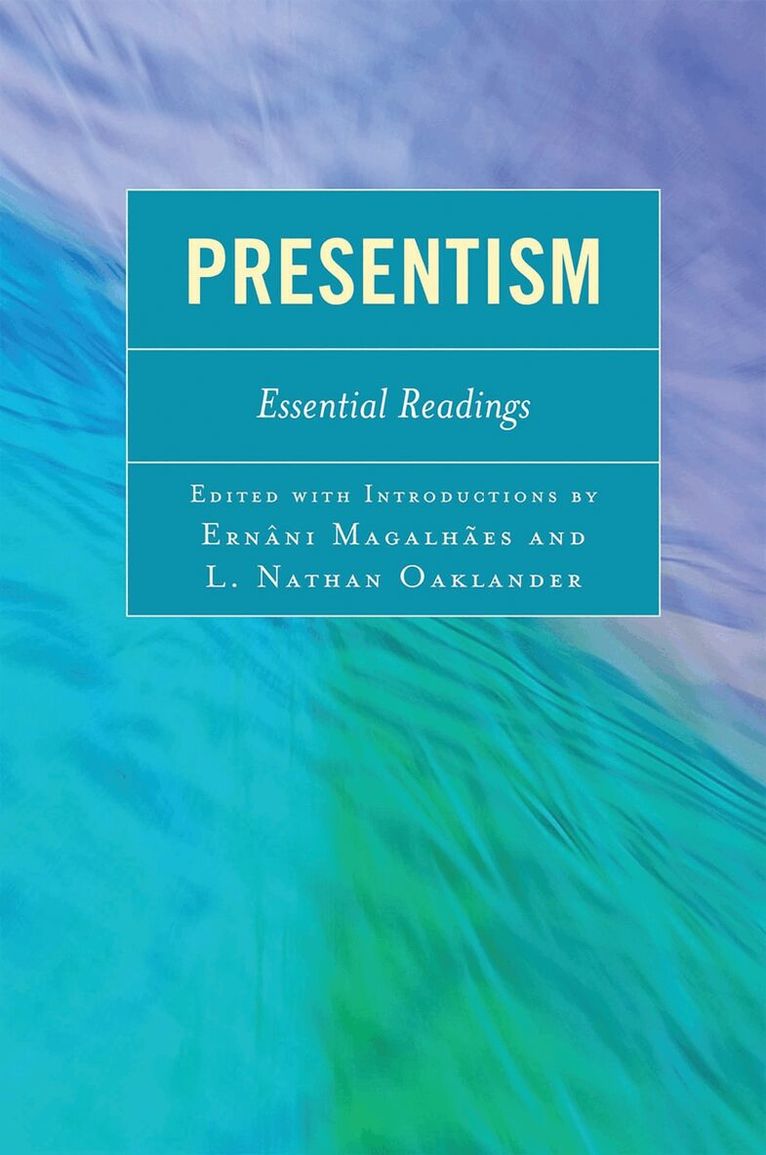
There is no time like the present. Is it also true that there is no time but the present? According to presentism, the present time is special in the most fundamental sense because all of reality is included in it. What is past is no longer; what is future is yet to be. This philosophy of time, with roots as far back as Saint Augustine and beyond, is the focus of vigorous and widespread discussion in contemporary philosophy. Presentism: Essential Readings brings together for the first time the seminal works by both presentists and their opponents. Works by Augustine, McTaggart, Prior, Craig and others, address a wide array of issues concerning presentism. How can time pass if everything is present? Is there no future to come to the present; nor a past to receive the present? How can there be truths about the past? Generally a statement is true because of events in reality. But if presentism is correct, then the past would seem to lack a basis in reality. If only the present is real, how can things last? To persist seems to require that something exist at more than one time, but presentism holds that there is only one time: the present. The collected essays on presentism address these and other aspects of the debate—a debate that is just beginning. With explanatory introductions written by the editors, Presentism: Essential Essays will fascinate and stretch the minds of both scholars and novices alike.