Neil Loughlin – författare
Visar alla böcker från författaren Neil Loughlin. Handla med fri frakt och snabb leverans.
5 produkter
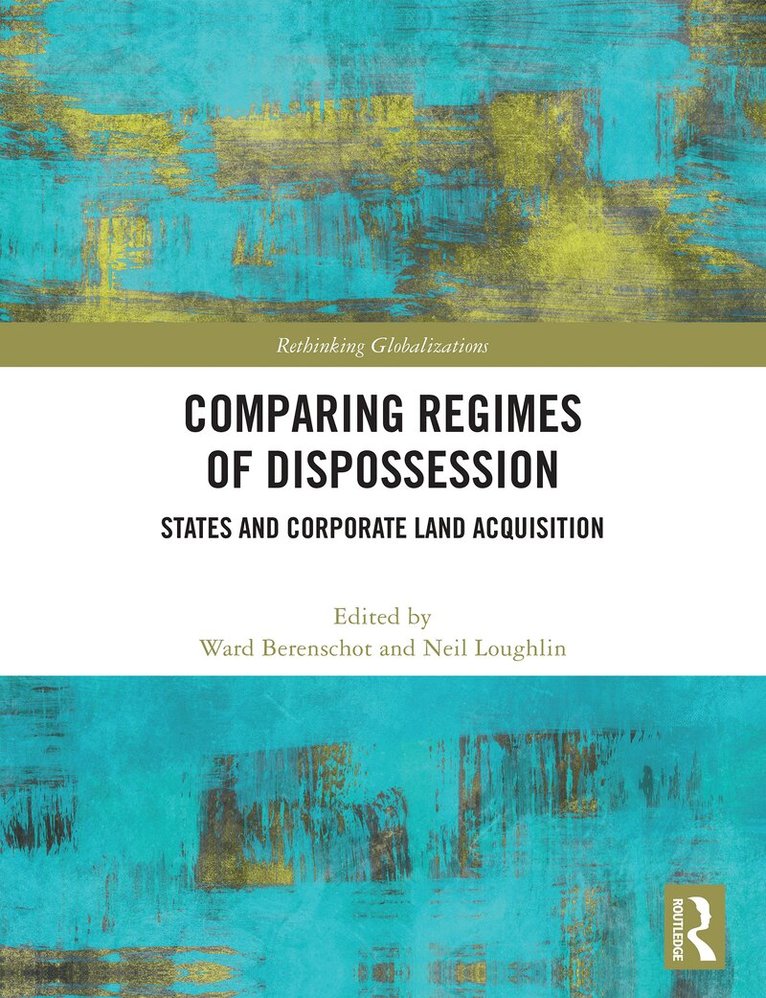
States and Corporate Land Acquisition
Comparing Regimes of Dispossession across the Global South
Av Ward Berenschot, Neil Loughlin
Inbunden, 2026
2510 kr
Lägg i varukorg
This book examines how states and corporations across the Global South acquire land, identifying distinct patterns of expropriation and resistance. Across Asia, Africa, and Latin America, economic growth in sectors such as mining, agribusiness, energy, infrastructure, and real estate is driving …
States and Corporate Land Acquisition
Comparing Regimes of Dispossession across the Global South
Av Neil Loughlin, Ward Berenschot
E-bok, 2026
765 kr
Lägg i varukorg
This book examines how states and corporations across the Global South acquire land, identifying distinct patterns of expropriation and resistance. Across Asia, Africa, and Latin America, economic growth in sectors such as mining, agribusiness, energy, infrastructure, and real estate is driving …
States and Corporate Land Acquisition
Comparing Regimes of Dispossession across the Global South
Av Neil Loughlin, Ward Berenschot
E-bok, 2026
765 kr
Lägg i varukorg
This book examines how states and corporations across the Global South acquire land, identifying distinct patterns of expropriation and resistance. Across Asia, Africa, and Latin America, economic growth in sectors such as mining, agribusiness, energy, infrastructure, and real estate is driving …
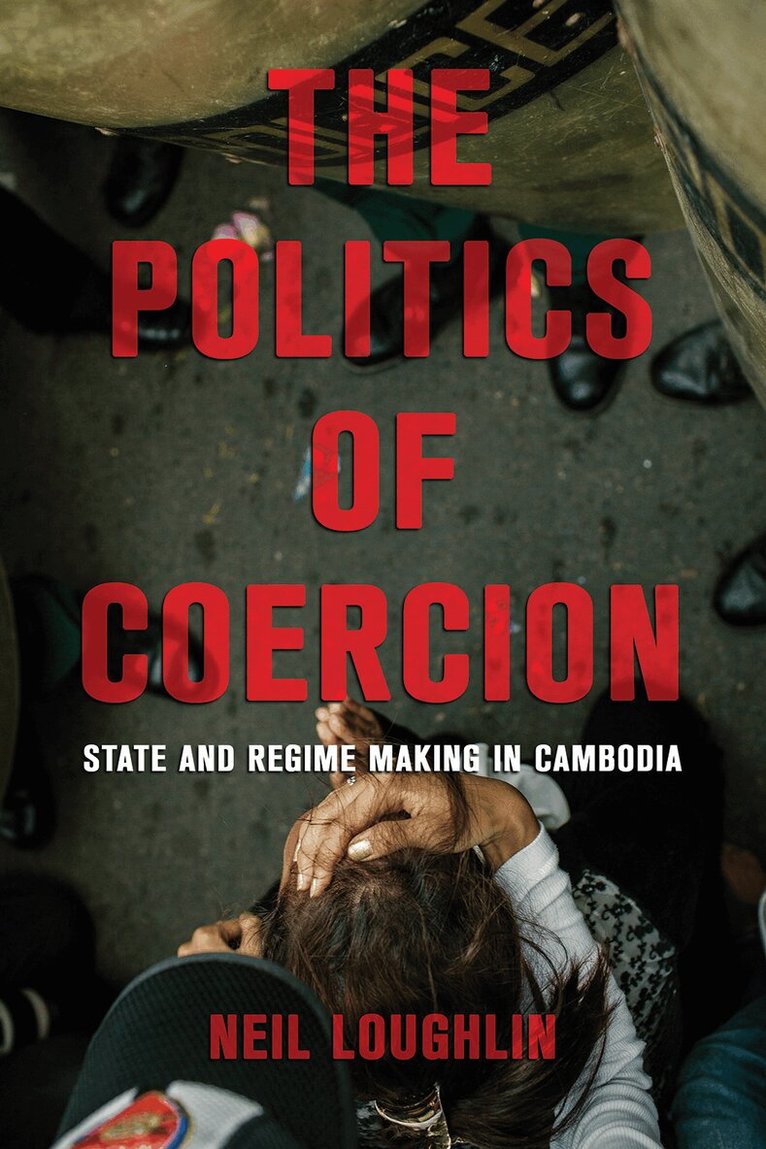
Politics of Coercion
State and Regime Making in Cambodia
Inbunden, 2024
1694 kr
Lägg i varukorg
In The Politics of Coercion, Neil Loughlin explains the persistence of Cambodia's authoritarian regime for more than four decades. It provides a historically grounded investigation of the country's ruling coalition: political elites, many drawn from within the state's coercive apparatus, who, in …
Politics of Coercion
State and Regime Making in Cambodia
Häftad, 2024
298 kr
Lägg i varukorg
In The Politics of Coercion, Neil Loughlin explains the persistence of Cambodia's authoritarian regime for more than four decades. It provides a historically grounded investigation of the country's ruling coalition: political elites, many drawn from within the state's coercive apparatus, who, in …