Niall Ferguson - Böcker
208 kr
Skickas inom 3-6 vardagar
227 kr
Skickas
204 kr
Skickas
227 kr
Skickas
183 kr
Skickas
214 kr
Skickas
130 kr
Skickas
198 kr
Skickas
235 kr
Skickas
122 kr
Skickas
183 kr
Skickas
163 kr
Skickas
141 kr
Skickas
179 kr
Skickas inom 5-8 vardagar
141 kr
Skickas
314 kr
Skickas inom 3-6 vardagar
210 kr
Skickas inom 3-6 vardagar
383 kr
Skickas inom 3-6 vardagar
258 kr
Skickas inom 3-6 vardagar
534 kr
Skickas inom 3-6 vardagar
474 kr
Skickas inom 3-6 vardagar
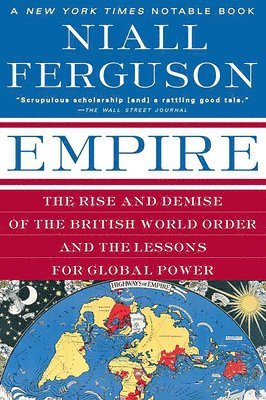
Empire: The Rise and Demise of the British World Order and the Lessons for Global Power
275 kr
Skickas inom 3-6 vardagar
504 kr
Skickas inom 3-6 vardagar
Paper and Iron
Hamburg Business and German Politics in the Era of Inflation, 1897-1927
1 770 kr
Skickas inom 7-10 vardagar
Paper and Iron
Hamburg Business and German Politics in the Era of Inflation, 1897-1927
672 kr
Skickas inom 7-10 vardagar
152 kr
Skickas inom 3-6 vardagar
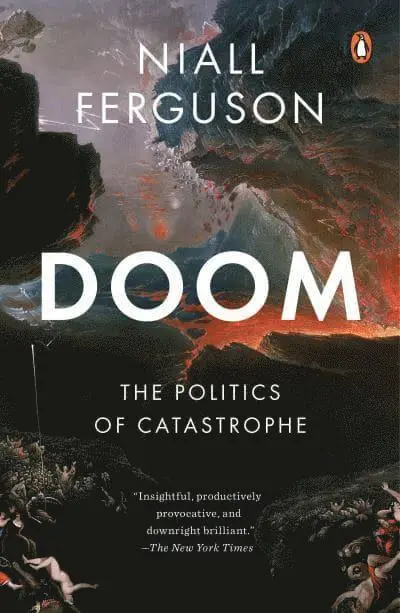
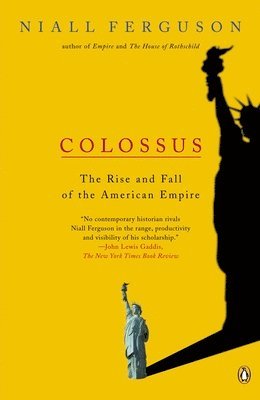
Disasters are inherently hard to predict. Pandemics, like earthquakes, wildfires, financial crises. and wars, are not normally distributed; there is no cycle of history to help us anticipate the next catastrophe. But when disaster strikes, we ought to be better prepared than the Romans were when Vesuvius erupted, or medieval Italians when the Black Death struck. We have science on our side, after all. Yet in 2020 the responses of many developed countries, including the United States, to a new virus from China were badly bungled. Why? Why did only a few Asian countries learn the right lessons from SARS and MERS? While populist leaders certainly performed poorly in the face of the COVID-19 pandemic, Niall Ferguson argues that more profound pathologies were at work--pathologies already visible in our responses to earlier disasters. In books going back nearly twenty years, including Colossus, The Great Degeneration, and The Square and the Tower, Ferguson has studied the foibles of modern America, from imperial hubris to bureaucratic sclerosis and online fragmentation. Drawing from multiple disciplines, including economics, cliodynamics, and network science, Doom offers not just a history but a general theory of disasters, showing why our ever more bureaucratic and complex systems are getting worse at handling them. Doom is the lesson of history that this country--indeed the West as a whole--urgently needs to learn, if we want to handle the next crisis better, and to avoid the ultimate doom of irreversible decline.
220 kr
Skickas
267 kr
Skickas inom 7-10 vardagar
239 kr
Skickas inom 3-6 vardagar
207 kr
Skickas